Key takeaways
- Thickness: 8 inches is the floor for adults; 10–12 inches if either sleeper is over 200 lb.
- Foam density: Memory foam under 3 lb/ft³ develops body impressions within 1–2 years; base polyfoam should be at least 1.8 lb/ft³. Many listings hide density — if it’s not published, assume it’s low.
- Construction: All-foam dominates under $300. Bonnell-coil innersprings in this range sleep cooler but transfer motion. Hybrids appear around $400–$500, though the coil units are thin.
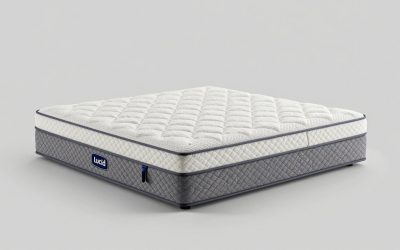
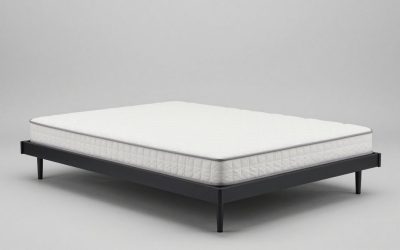
A comfortable cheap bed frame and mattress combo in 2026 typically costs $300–$650 for a queen — and the difference between a set that holds up for five years and one that sags inside 18 months comes down to three specs, not the logo: frame construction, foam density, and slat spacing. Here’s what each budget tier actually delivers and how to spot the cut corners before you buy.
Our top picks


As an Amazon Associate we earn from qualifying purchases at no extra cost to you.
What each price tier actually gets you
Combo listings bundle wildly different quality levels under the same “bed in a box” pitch. For a queen set, this is the honest breakdown:
| Price range | Frame you typically get | Mattress you typically get | Realistic lifespan |
|---|---|---|---|
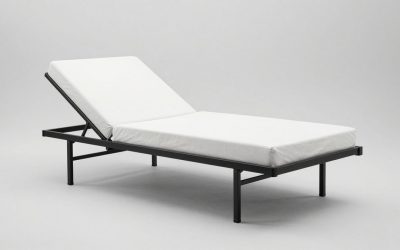
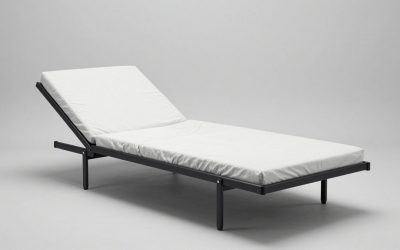
| Under $250 | Folding tubular steel or basic metal platform | 6–8 in. all-foam or thin Bonnell coil | 1–3 years; best for guest rooms |
| $250–$450 | Steel platform with wood slats, or MDF/particleboard bed | 8–10 in. memory foam or innerspring | 3–5 years of nightly use |
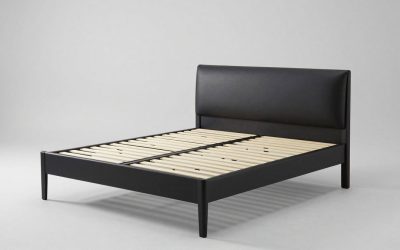
| $450–$650 | Upholstered or pine/steel-slatted frame with center support legs | 10–12 in. foam or entry-level hybrid | 5–7 years of nightly use |
Budget bundle brands like Zinus, Lucid, and Linenspa dominate the lower two tiers, while IKEA sells frame-plus-mattress combinations across all three. At the sub-$250 level, expect the mattress to be the weak link — a 6-inch foam mattress is fine for a spare room but will bottom out under an adult who sleeps on it nightly.
Frame materials: where budget sets cut corners
Weight ratings on cheap frames are optimistic — most include the mattress weight and assume a perfectly even load. The more useful question is what fails first.
| Frame material | Advertised capacity | What fails first | Best for |
|---|---|---|---|
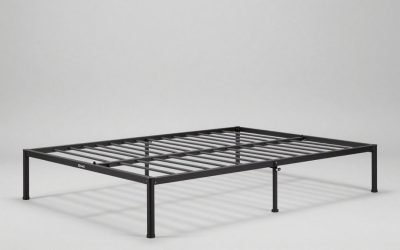
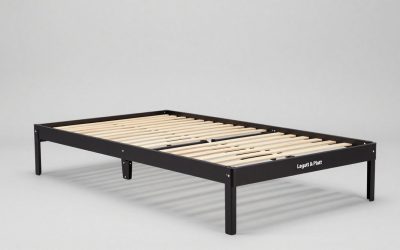
| Steel tube platform | 500–1,500 lb | Bolts loosen and squeak; center bar can bend under point loads | Renters; 20–45 min assembly |
| Engineered wood (MDF/particleboard) | 400–600 lb | Cam locks loosen; screw holes strip if disassembled; edges chip | Nicer looks in a bed that stays put |
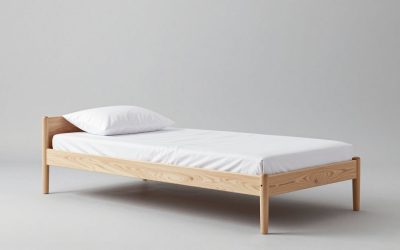
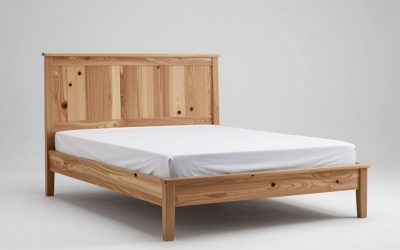
| Solid pine with wood slats | 500–700 lb | Individual slats may crack — but they’re cheap to replace | Long-term value at budget prices |
| Upholstered over particleboard | 400–500 lb | Fabric pills, padding compresses, frame flexes under movement | Style on a tight budget |
Two checks matter regardless of material. First, a queen or larger frame needs center support legs touching the floor — not just a suspended bar. Second, if you weigh over 230 lb or share the bed, favor steel or solid wood; engineered wood’s cam-lock hardware loosens fastest under heavier loads and is nearly impossible to reassemble tightly a second time.
The mattress half: density matters more than the bundle
In a cheap combo, the mattress determines 80% of how long the set stays comfortable. Three numbers to check in the spec sheet:
- Thickness: 8 inches is the floor for adults; 10–12 inches if either sleeper is over 200 lb.
- Foam density: Memory foam under 3 lb/ft³ develops body impressions within 1–2 years; base polyfoam should be at least 1.8 lb/ft³. Many listings hide density — if it’s not published, assume it’s low.
- Construction: All-foam dominates under $300. Bonnell-coil innersprings in this range sleep cooler but transfer motion. Hybrids appear around $400–$500, though the coil units are thin.
One more thing budget foam listings rarely advertise: many sub-$300 mattresses use a fiberglass fire barrier inside the cover. It’s safe while the cover stays on, but removing or tearing it releases fine glass particles. If that concerns you, look for listings explicitly labeled “fiberglass-free,” which use silica or rayon barriers instead.
Match the combo to your situation
| Your situation | Buy | Skip |
|---|---|---|
| Nightly use, 1–2 adults | $450–$650 tier: 10–12 in. foam or hybrid on a steel/wood platform | Sub-$250 sets — the mattress won’t survive daily load |
| Guest room (under ~60 nights/year) | Under-$250 set is genuinely fine | Paying for density guests will never notice |
| Kids and teens | Twin metal platform + 8–10 in. foam | Engineered-wood frames — jumping strips cam locks fast |
| Renters who move every 1–2 years | Folding two-piece steel frame (about 35–50 lb) + rolled mattress | One-piece upholstered headboards; anything over ~70 lb per box |
| Back pain or 230+ lb sleepers | Firm 10–12 in. hybrid or high-density foam; slats ≤3 in. apart | 6–8 in. foam and wide slat gaps |
| Studio or small bedroom | Platform frame with 10–14 in. underbed clearance for storage bins | Box-spring setups that eat vertical space |
Before you buy: sizes, slats, and delivery
Room and doorway math
A queen measures 60 × 80 inches; a king is 76 × 80; a full is 54 × 75. Plan for at least 24 inches of walking space on each accessible side. In a 10 × 10 ft room, a centered queen leaves roughly 30 inches per side — workable, but tight for a dresser. A king realistically needs a 12 × 12 ft room. For delivery, standard interior doorways are 28–32 inches wide: flat-packed frames and compressed mattress boxes fit easily, but stairwell landings under 36 inches can block rigid headboards, so check whether the headboard ships in pieces.
The slat check most buyers skip
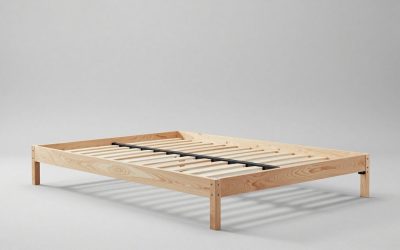
Memory foam mattress warranties typically require slats no more than 3 inches apart — some specify 2.75 inches. Budget frames often ship with 4–6 inch gaps, which lets foam sag between slats and can void the warranty you just paid for. If the listing doesn’t state slat spacing, budget an extra $40–$80 for a bunkie board.
Delivery and returns fine print
Combos usually ship as two or more boxes, sometimes on different carriers and different days. A rolled queen mattress box weighs 60–100 lb — a two-person carry. Confirm whether delivery is curbside, threshold, or room-of-choice. On returns, expect a mismatch: the mattress may carry a 30–100 night trial while the frame falls under a shorter furniture window, often with a 10–20% restocking fee.
Assembly and what wears first
Metal platforms go together in 20–45 minutes with one included hex key; upholstered and engineered-wood frames run 60–90 minutes with cam locks. Whatever you buy, retighten every bolt after the first month — that’s the standard fix when a new frame starts squeaking. In the mattress, the comfort layer is always the first thing to go: low-density foam shows permanent impressions within 18 months to 3 years, while the frame underneath usually has years of life left. That means a future mattress upgrade is expected, not a failure.
FAQ
Do I need a box spring with a combo frame?
No — platform frames with slats support the mattress directly. You’d only need a box spring or bunkie board if the “frame” is just side rails with no slats, or if slat spacing exceeds 3 inches.
Can I pair a new mattress with my old frame?
Yes, if the slats meet the spacing requirement and the frame has center support for queen size and up. The reverse — a new frame under an old mattress — also works if the mattress is under roughly 8–10 years old.
Is a cheap combo worth it versus buying used?
Usually yes for the mattress: a new sub-$450 foam mattress beats a used one of unknown age and hygiene. The frame is the safer half to buy secondhand, since metal platforms have little that can wear out.