The best Lucid mattresses depend on your sleep position and firmness preference: choose the 10-inch or 12-inch Gel Memory Foam for side sleepers and pressure relief, the Lucid Hybrid with Bamboo Charcoal for back and combination sleepers who need bounce and edge support, and the Lucid Latex Hybrid for hot sleepers and heavier builds who want a firmer, more responsive feel.
Lucid keeps its lineup deliberately narrow compared to bed-in-a-box brands with dozens of models. All Lucid mattresses ship compressed in a box and are designed around medium to medium-plush comfort, but thickness, core construction, and cover materials change how they feel and which frames they work with. Understanding those differences makes it much easier to pick without getting stuck on marketing names.
Our top picks
 LUCID 10 Inch Gel Memory Foam Mattress
- This cooling gel memory foam mattress sleeps cooler
- A medium feel memory foam mattress that balances…
- Three layers of memory foam mattress construction work…
LUCID 10 Inch Gel Memory Foam Mattress- This cooling gel memory foam mattress sleeps cooler
- A firm memory foam mattress feel with 2.5…
- Three layers of memory foam mattress construction work…
 LUCID 12 Inch Gel Memory Foam Mattress
- This cooling gel memory foam mattress sleeps cooler
- A medium plush memory foam mattress feel with…
- Three layers of memory foam mattress construction for…
| Product | Key specs | |
|---|---|---|
| LUCID 10 Inch Gel Memory Foam Mattress | This cooling gel memory foam mattress sleeps cooler A medium feel memory foam mattress that balances… Three layers of memory foam mattress construction work… | Check price |
| LUCID 10 Inch Gel Memory Foam Mattress | This cooling gel memory foam mattress sleeps cooler A firm memory foam mattress feel with 2.5… Three layers of memory foam mattress construction work… | Check price |
| LUCID 12 Inch Gel Memory Foam Mattress | This cooling gel memory foam mattress sleeps cooler A medium plush memory foam mattress feel with… Three layers of memory foam mattress construction for… | Check price |
| LUCID 12 Inch Gel Memory Foam Mattress | This cooling gel memory foam mattress sleeps cooler A medium firm memory foam mattress with 3… Three layers of memory foam mattress construction for… | Check price |
As an Amazon Associate we earn from qualifying purchases at no extra cost to you.
Lucid Mattress Lineup Compared
Most Lucid models share a similar comfort goal — a plush top that softens into a supportive base — but the way they get there matters for durability, temperature, and motion.
| Model Type | Typical Thickness | Firmness (1-10 Scale) | Core Construction | Best For | Weight Limit Per Size |
|---|---|---|---|---|---|
| Lucid 10-Inch Gel Memory Foam | 10 inches (25 cm) | 4.5 – 5.5 / Medium-Plush | 2.5″ ventilated gel memory foam + 7.5″ high-density base foam (1.8 lb density) | Side sleepers under 180 lbs, guest rooms | Twin: 250 lbs, Full/Queen/King: 500-600 lbs total |
| Lucid 12-Inch Gel Memory Foam | 12 inches (30 cm) | 5 – 6 / Medium | 3″ gel memory foam + 2″ transition foam + 7″ base foam | Side and back sleepers who want deeper contouring | Twin: 275 lbs, Full/Queen/King: 600-700 lbs total |
| Lucid 10-Inch Hybrid – Bamboo Charcoal | 10 inches (25 cm) | 6 – 6.5 / Medium-Firm | 1.5″ bamboo charcoal memory foam + 1″ transition foam + 7.5″ individually wrapped coils | Back, stomach and combination sleepers | Queen: 600 lbs, King: 700-750 lbs total |
| Lucid 12-Inch Latex Hybrid | 12 inches (30 cm) | 6.5 – 7 / Firm | 2″ ventilated latex foam + 1″ memory foam + 9″ pocketed coils | Heavier sleepers, hot sleepers, stomach sleepers | Queen: 650 lbs, King: 750-800 lbs total |
Thickness is not just about comfort. A 10-inch all-foam model compresses to about 6-7 inches under a seated adult, while a 12-inch hybrid retains closer to 10 inches of usable height. That affects how high your bed sits and how easy it is to get in and out, especially if you use a low platform frame that is only 14 inches off the floor.
How Firmness and Materials Change the Feel
Gel Memory Foam vs. Hybrid vs. Latex Hybrid
Gel-infused memory foam is Lucid’s signature. The gel infusion and ventilated design help the foam sleep slightly cooler than traditional memory foam, but it still contours closely and slows your movements. Expect a classic hug with slow recovery when you press your hand in and lift it.
Hybrids replace most of the base foam with 7 to 9 inches of individually wrapped steel coils. That adds three practical benefits: more airflow through the core, faster response when you change positions, and stronger edge support so the perimeter does not dip deeply when you sit to put on shoes. The trade-off is more motion transfer than all-foam and a slightly higher price, usually $50 to $150 more than the same thickness in all-foam, within the general Lucid range of usually $300–$600 for a Queen.
The Latex Hybrid uses ventilated latex in the comfort layer instead of mostly memory foam. Latex is instantly responsive and sleeps the coolest of the three, and it does not develop a body impression as quickly. It feels firmer and pushes back more, which many back and stomach sleepers prefer, but it provides less pressure relief for sharp shoulder and hip points than thick gel memory foam.
| Material | Pressure Relief | Heat Retention | Response / Bounce | Durability Risk |
|---|---|---|---|---|
| Gel Memory Foam (All-Foam) | High – best for shoulder/hip cushioning | Moderate – warmer than hybrid | Low – slow contour, isolates motion well | Top foam may soften after 4-5 years with nightly use |
| Bamboo Charcoal Memory Foam + Coils | Medium-High – balanced contour | Low-Moderate – coils add ventilation | Medium – easier position changes | Coils prevent deep sagging, foam top still softens first |
| Latex + Coils | Medium – more lift, less sink | Low – most breathable option | High – buoyant and quick recovery | Latex resists impressions longest, coils may squeak if base is uneven |
Pick by Sleep Position and Body Weight
Firmness needs shift significantly with weight because heavier bodies compress comfort layers more. Use this decision matrix instead of choosing by description alone:
| Your Situation | Recommended Lucid Type | Why It Works |
|---|---|---|
| Side sleeper under 150 lbs | 12-Inch Gel Memory Foam | Extra 3-inch comfort layer prevents hip/shoulder pressure points without bottoming out |
| Side sleeper 150-200 lbs | 10-Inch or 12-Inch Gel Memory Foam | 10-inch is enough cushion; choose 12-inch if you prefer deeper sink |
| Back sleeper, any weight | 10-Inch Hybrid – Bamboo Charcoal | Coils keep hips elevated and spine neutral, medium-firm prevents lower-back sag |
| Stomach sleeper or over 200 lbs | 12-Inch Latex Hybrid | Firmer latex + coil support prevents pelvis from sinking, improves airflow |
| Combination sleeper who changes positions | Either Hybrid | Bounce and response make rolling over easier than all-foam |
| Hot sleeper or warm bedroom without AC | Latex Hybrid, then Bamboo Charcoal Hybrid | Latex and coils sleep 2-4°F cooler on surface than dense gel foam |
If you and a partner have very different weights or positions, the hybrid models handle the compromise better. An all-foam medium-plush that feels perfect for a 130-lb side sleeper will often feel too soft and unsupportive for a 220-lb back sleeper, while the 10-inch hybrid’s medium-firm profile stays neutral for both.
Bed-Frame and Room Fit: What Product Listings Don’t Tell You
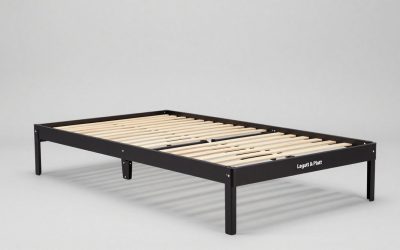
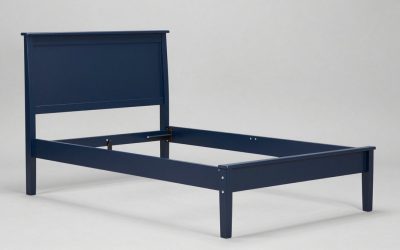
Lucid mattresses are flexible on frames, but thickness and edge support affect compatibility more than the brand suggests.
- Platform beds and slatted bases: All Lucid models work if slats are no more than 3 inches apart. For all-foam models, use a solid foundation or slats with center support leg. Hybrids tolerate slightly wider gaps because coils distribute weight, but gaps over 4 inches will void warranty support and cause sagging between slats.
- Adjustable bases: The 10-inch and 12-inch Gel Memory Foam models are the most flexible and conform best to head/foot articulation. The 10-inch Hybrid bends acceptably, but the Latex Hybrid with its thicker coil unit resists bending and is not ideal for adjustable frames.
- Bunk beds and loft beds: Check guardrail clearance. A 12-inch mattress on a bunk with a 13-inch rail leaves only 1 inch of safety rail above the sleeping surface, which is unsafe. Use a 5-inch to 8-inch Lucid low-profile option for bunks instead.
- Height math: A typical 14-inch platform + 12-inch mattress = 26 inches sleeping height (about standard chair seat + 7 inches). With a 10-inch mattress the same frame sits at 24 inches, easier for shorter sleepers and kids to climb into. Add a 2-inch foundation on a traditional bed frame and a 12-inch mattress can reach 28-29 inches, which many people find too tall for nightstands that are 24-25 inches high.
Will It Fit in Your Room and Through the Door?
In a 10×12 ft bedroom, a Queen (60×80 inches) leaves about 30 inches of clearance on the sides if centered on the 10-foot wall, and 32 inches at the foot — enough for a dresser but tight for a large desk. A King (76×80 inches) in the same room leaves only 22 inches per side, which blocks closet doors that swing outward. Measure doorway width before delivery: Lucid boxes are compressed to about 15x15x42 inches for a Queen and weigh 55 to 85 lbs depending on thickness. All-foam 10-inch Queens are the lightest (around 55-60 lbs) and one person can maneuver them; 12-inch hybrids are 80+ lbs and need two people to carry up stairs or around tight 28-inch apartment doorways. The box expands quickly once opened — unbox in the bedroom where you will use it, as a fully expanded King will not fit back through a 29-inch hallway turn.
Assembly, Break-In and What Wears First
Setup takes 10 minutes of physical work plus off-gassing time. After cutting the plastic, the mattress inflates to about 90% height within 2-4 hours and fully expands in 24-48 hours. A faint foam odor is normal for the first 24-72 hours; ventilate with a window open. Do not add a mattress protector until expansion is complete, as it can restrict full loft.
Durability follows a consistent pattern across Lucid models. The high-density base foam or coil unit rarely fails first. What softens is the top 2-3 inches of memory foam, which gradually loses its initial plushness. Rotating the mattress 180 degrees every 6 months (do not flip, the layers are directional) evens out wear, especially for single sleepers who sleep on one side. Using a waterproof protector from day one prevents sweat and spills from breaking down foam cells, which is the most common reason all-foam beds develop premature impressions.
Edge sag is the other difference to expect. On all-foam models, sitting repeatedly on the same edge to tie shoes compresses the foam faster than coils do. Hybrids hold a seated edge better — they deflect about 1.5 inches under 150 lbs on the edge versus 2.5-3 inches for all-foam — but they transfer a bit more movement when a partner gets up at night.
Which Lucid Should You Choose?
- Choose the 10-Inch Gel Memory Foam if: you want the lowest price, lowest sleeping height, and softest hug for side sleeping, and you sleep in a cool room or use breathable sheets. Best value for guest rooms, kids transitioning to a larger bed, and renters who move often because the lighter box is easier to transport.
- Choose the 12-Inch Gel Memory Foam if: you are a dedicated side sleeper, have shoulder or hip pressure issues, or weigh 130-190 lbs and want a deeper cradle without going to a hybrid. The added transition layer makes the feel less like sinking straight to the base.
- Choose the 10-Inch Bamboo Charcoal Hybrid if: you sleep on your back or stomach, share the bed and need motion isolation with easier movement, or want better edge support on a platform without buying a firmer mattress. This is the most versatile pick for couples.
- Choose the 12-Inch Latex Hybrid if: you sleep hot, weigh over 200 lbs, or want the firmest, most durable Lucid with the most bounce. It is also the best choice for platform beds where you sit on the edge often.
For small apartments and frequent movers, the 10-inch options save 20-30 lbs of box weight and 2 inches of vertical space. For primary bedrooms where the mattress will stay for 5+ years, the 12-inch versions provide more material to resist daily compression and maintain comfort longer.