Most people who go shopping for a mattress topper are not actually shopping for a topper. They are shopping for a solution — to the shoulder that aches by 4 a.m., to the hip that sinks too far into a sagging mattress, to the peculiar frustration of waking up warm and damp on a mattress that was advertised as cooling. The topper market has learned to speak directly to those complaints, which is precisely why it has become so hard to navigate: nearly every product promises pressure relief, temperature regulation, and hotel-grade plushness in the same breath, and the differences that actually matter are buried in construction details that rarely make the headline.
This guide is built around those details. Below you’ll find our current picks across the three constructions that dominate the premium end of the category — dense memory foam, gel-infused foam, and overstuffed fiber pillow tops — along with the criteria we use to separate genuine luxury from expensive filler. Each recommendation is evaluated on how it behaves over a full night rather than how it feels in the first five minutes, because the two are often quite different.
Our top picks

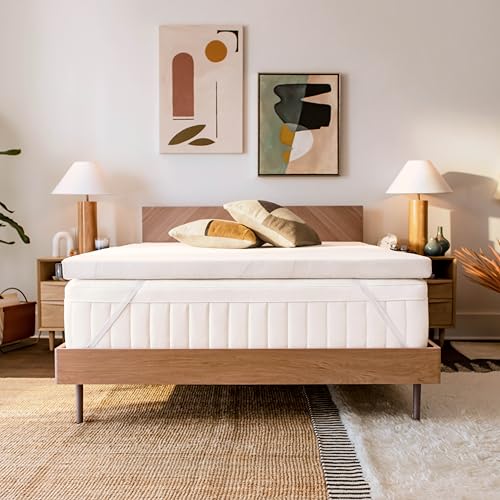 TEMPUR-Adapt
- 3" MEDIUM MATRESS TOPPER: Instantly improves the comfort…
- Signature TEMPUR material adapts to your unique shape,…
- Designed to reduce motion transfer so you can…


As an Amazon Associate we earn from qualifying purchases at no extra cost to you.
🛒 Best Price Today on Amazon
Prime members get fast, free shipping on everything above, plus member-only deals. New members get a 30-day free trial — cancel anytime.
How to Choose a Luxury Mattress Topper (2026)
- Diagnose before you buy: A topper corrects firmness and adds cushioning; it cannot rescue a mattress with a visible dip or a failing support core. If you can see a valley where you sleep, replace the mattress instead — a topper will simply follow the contour.
- Match thickness to body weight and position: Side sleepers and heavier bodies generally need 3 to 4 inches to keep the shoulder and hip from bottoming out. Back and stomach sleepers, and lighter frames, are usually better served by 2 inches, which softens the surface without disrupting spinal alignment.
- Understand what “cooling” actually means: Gel infusions and open-cell structures slow heat buildup; they don’t actively refrigerate. If night sweats are your primary complaint, a breathable cotton or fiber-filled pillow top will almost always outperform even the best-engineered foam.
- Check certifications and off-gassing expectations: CertiPUR-US and OEKO-TEX marks confirm the foam has been tested for emissions and restricted substances. Even certified foam needs 48 to 72 hours of airing in a ventilated room before the initial odor fully dissipates.
- Look at how it stays put: Deep-pocket skirts, anchor straps, or textured non-slip bases are the difference between a topper you forget about and one you wrestle back into position every few days. Measure your mattress depth, including any existing protector, before ordering.
The Best Luxury Mattress Toppers of 2026, Reviewed
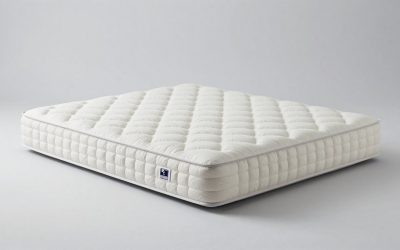
TEMPUR-Adapt Supreme 3″ Memory Foam Topper
This is the reference point for the category — proprietary TEMPUR material that responds slowly and precisely to body weight, delivering the deep, cradling pressure relief that cheaper foams only approximate. It runs warmer and firmer than plusher alternatives, so it suits sleepers who want structured support and true motion isolation over cloud-like softness.
JSELF 3″ Dual-Layer Gel Memory Foam Topper
The dual-density build is the smart part here: a wave-textured comfort layer for shoulder and hip contouring over a firmer base that prevents the sinking sensation single-layer toppers develop by morning. With both CertiPUR-US and OEKO-TEX certification plus a non-slip underside, it’s one of the better-engineered options at its price point.
Lucid 4″ Gel Memory Foam Topper
Four inches is a substantial transformation, and this one is the pick for anyone sleeping on a mattress that has gone stubbornly firm. The ventilated design and gel infusion keep it from becoming a heat trap, though the plush feel means back sleepers may find it more yielding than they’d like.
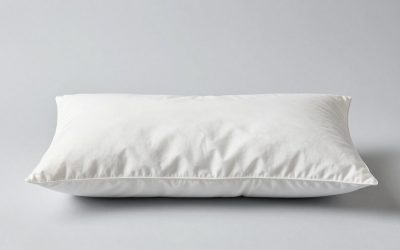
Cotton Extra Thick Pillow Top Mattress Pad
For sleepers who genuinely overheat, breathable natural fiber beats engineered foam every time. The 100% cotton surface wicks and vents rather than insulating, and the overstuffed pillow-top fill adds a soft cushioning layer that still allows air to circulate freely beneath you.
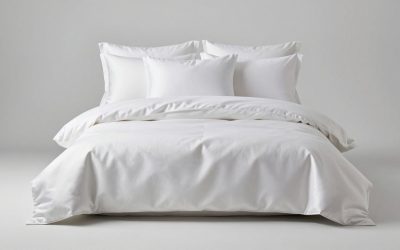
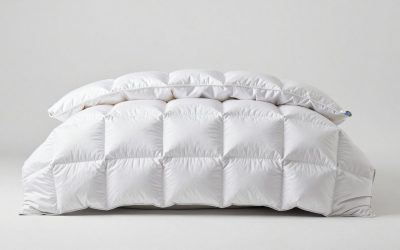
Hospitology Overstuffed Down-Alternative Pillow Top
This is the closest thing to the hotel-bed sensation most buyers are chasing — generous down-alternative fill inside a hypoallergenic shell, with a deep-pocket skirt that keeps everything anchored. It adds loft and softness rather than orthopedic support, so pair it with a mattress that already has adequate firmness underneath.
Frequently Asked Questions
How long should a quality mattress topper last?
Expect three to five years from dense memory foam and two to four from fiber-filled pillow tops, which compress gradually with use. Rotating a fiber topper head-to-foot every few months meaningfully extends its useful life.
Will a topper void my mattress warranty?
Almost never — toppers sit above the sleep surface and don’t alter the mattress structure. What can void a warranty is removing the law tag or using an unsupportive foundation, so check those terms instead.
Can I put a topper under a fitted sheet?
Yes, and you generally should. A deep-pocket sheet sized for your combined mattress and topper height will hold everything in place; standard-depth sheets will pop off the corners repeatedly.
Do gel-infused foams really sleep cooler?
Modestly. Gel delays heat accumulation during the first few hours but eventually reaches equilibrium with your body temperature. Airflow — from ventilated foam, breathable covers, or natural fibers — does more for temperature than the infusion itself.
Final Thoughts
If you want the most convincing pressure relief available and don’t mind a firmer, more structured feel, the TEMPUR-Adapt Supreme remains the benchmark. The JSELF dual-layer gel topper is the smarter value for most sleepers, delivering layered support and certified materials without the premium price. And if heat is your real enemy, skip foam entirely and go with the cotton extra-thick pillow top — breathability is the one thing engineering still can’t fake.