Key takeaways
- Fill type over marketing terms: Memory foam contours and isolates motion; down-alternative fiber cushions without hugging; bamboo-derived rayon covers manage moisture. Decide which sensation you want before comparing thickness numbers.
- Thickness matched to the problem: Two inches softens a firm surface and evens out light wear. Three inches is the practical choice for a genuinely hard bed or for side sleepers with shoulder and hip pressure. Beyond that, edge stability and sheet fit both suffer.
- Skirt depth and anchoring: A deep-pocket elastic skirt or corner straps determine whether the topper stays put. Check your mattress height plus the topper against the stated pocket depth — a 20-inch pocket exists for a reason.
- Verified foam certification: CertiPUR-US means the foam has been tested for emissions, formaldehyde, and restricted flame retardants. It’s the baseline for anything you’ll breathe over for eight hours a night.
- Realistic cooling claims: Gel infusions and swirl patterns slow heat buildup rather than actively refrigerate. If you sleep genuinely hot, prioritize a breathable, removable cover and thinner foam over a thick slab with a cooling label.
Most people don’t replace a mattress because it fell apart — they replace it because it stopped feeling right. The foam softened under one hip, the quilting compressed into a shallow trough, or a bed that felt supportive in the showroom now sleeps hot and unforgiving. Replacing a mattress outright is a several-hundred-dollar decision. Adjusting the top two inches, where nearly all of your pressure-relief and temperature experience actually happens, is not.
That top layer is what a topper controls. Done well, it can soften a too-firm bed, redistribute weight at the shoulders and hips, add a thermal buffer between you and a heat-trapping surface, and buy a tired mattress another two or three years of service. Done badly, it slides around all night and traps warmth. Below, I’ve grouped the toppers worth considering in 2026 by what they’re actually good at — cooling, contouring, plush cushioning, and dorm-sized practicality — along with the specifications that predict comfort and the ones that are just packaging language.
Our top picks



As an Amazon Associate we earn from qualifying purchases at no extra cost to you. Ratings are shown as listed on Amazon.
🛒 Best Price Today on Amazon
Prime members get fast, free shipping on everything above, plus member-only deals. New members get a 30-day free trial — cancel anytime.
How to Choose a Mattress Topper (2026)
- Fill type over marketing terms: Memory foam contours and isolates motion; down-alternative fiber cushions without hugging; bamboo-derived rayon covers manage moisture. Decide which sensation you want before comparing thickness numbers.
- Thickness matched to the problem: Two inches softens a firm surface and evens out light wear. Three inches is the practical choice for a genuinely hard bed or for side sleepers with shoulder and hip pressure. Beyond that, edge stability and sheet fit both suffer.
- Skirt depth and anchoring: A deep-pocket elastic skirt or corner straps determine whether the topper stays put. Check your mattress height plus the topper against the stated pocket depth — a 20-inch pocket exists for a reason.
- Verified foam certification: CertiPUR-US means the foam has been tested for emissions, formaldehyde, and restricted flame retardants. It’s the baseline for anything you’ll breathe over for eight hours a night.
- Realistic cooling claims: Gel infusions and swirl patterns slow heat buildup rather than actively refrigerate. If you sleep genuinely hot, prioritize a breathable, removable cover and thinner foam over a thick slab with a cooling label.
The Best Mattress Topper Brands (2026), Reviewed
Niagara Sleep Solution Ultra Soft & Cooling Topper
A pillow-top style pad with a rayon-from-bamboo surface and a 20-inch deep-pocket skirt, this is the pick for hot sleepers who want cushioning without the enveloping feel of foam. The fabric moves moisture away efficiently, and the generous skirt makes it one of the few pads that stays taut on a tall pillow-top mattress.
Linenspa 2-Inch Gel Memory Foam Topper
Linenspa has built its reputation on getting the fundamentals right at a modest price, and this gel-infused, CertiPUR-certified two-inch layer is the clearest example. It’s the sensible starting point for anyone testing whether a plusher surface eases their morning stiffness before committing to more foam.
3-Inch Memory Foam Topper with Cooling Cover (King)
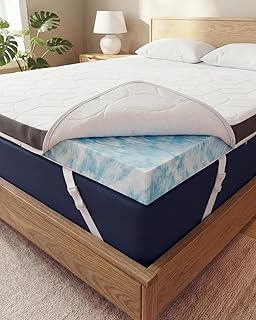
Three inches of memory foam is what a genuinely too-firm king bed needs, and the anchoring straps plus washable cooling cover address the two complaints that usually sink thicker toppers. Expect a deeper cradle at the hips — welcome for side sleepers, less so for those who prefer to sleep on top of a surface rather than in it.
ELEMUSE Extra Thick Plush Pillowtop Pad
Overfilled down-alternative construction and an elastic deep pocket give this pad a hotel-bed loft that foam can’t replicate. It’s the better choice if your goal is cushioning and a softer landing rather than the slow, contouring pressure relief of memory foam.
Gel Swirl 2-Inch Memory Foam Topper
Made in the USA and CertiPUR-US certified, the swirl-pattern gel construction improves airflow through the foam itself rather than relying on the cover alone. A well-judged middle option for softening a firm bed while extending the life of a mattress that’s still structurally sound.
Sleepyhead Twin XL Dorm Topper
Purpose-built for the vinyl-covered twin XL slabs found in residence halls, with a removable washable cover that matters more in shared housing than anywhere else. Two inches of cooling gel foam is the right amount for a thin institutional mattress.
Frequently Asked Questions
Will a topper fix a sagging mattress?
No. A topper adds comfort, not support. If you can see or feel a depression in the mattress core, the topper will simply follow that contour — that bed needs replacing.
How long should a mattress topper last?
Two to four years for memory foam, somewhat less for fiber-filled pads that compress with washing. Rotate the topper head to foot every few months to spread the wear.
Do memory foam toppers always sleep hot?
Older solid foam did. Gel infusions, open-cell structures, and breathable covers have largely closed the gap, though thinner profiles still run cooler than thick ones.
What about the initial smell?
Off-gassing from compressed foam is normal and typically clears within 24 to 72 hours in a ventilated room. Unbox and air the topper before putting sheets on it.
Final Thoughts
For hot sleepers who want cushioning without sinkage, the Niagara bamboo-derived pillow-top remains the most complete package in 2026. Firm-bed owners needing real pressure relief should go straight to the 3-inch memory foam topper with straps and washable cover, while the Linenspa 2-inch gel foam layer is still the smartest low-risk way to find out how much softness you actually want.