Most people don’t buy a mattress topper because their bed is broken. They buy one because something subtler has gone wrong: they wake at 3 a.m. with damp sheets, or their hips ache by morning, or the memory foam they bought two years ago now traps heat like a parked car. Sleep quality lives or dies on thermal regulation, and synthetic fills are working against you on that front. Wool is one of the few materials that manages moisture and temperature passively, without gels, phase-change coatings, or a power cord.
This guide looks at the wool toppers worth considering in 2026, from ultra-dense pillow-top builds to slimmer quilted pads that protect a good mattress without softening it. Below you’ll find what actually matters when comparing them — fill weight, wool provenance, cover construction, and pocket depth — followed by short, honest assessments of the standouts.
Our top picks


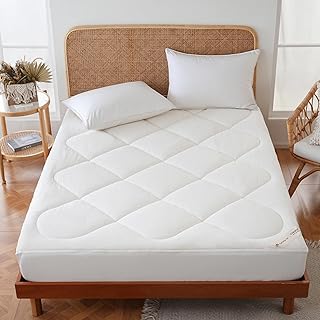
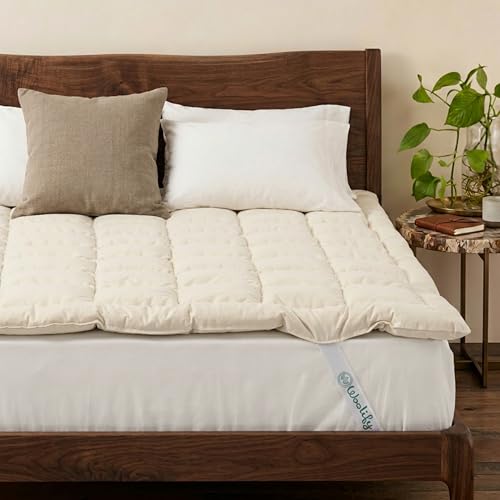 Organic Merino Wool Mattress Topper 1650 GSM
- Targeted Support for Pressure Point Relief - Designed…
- Natural Temperature Regulation - Unlike synthetic toppers that…
- Experience Unmatched Comfort and Sustainability - Our Organic…

As an Amazon Associate we earn from qualifying purchases at no extra cost to you.
🛒 Best Price Today on Amazon
Prime members get fast, free shipping on everything above, plus member-only deals. New members get a 30-day free trial — cancel anytime.
How to Choose a Wool Mattress Topper (2026)
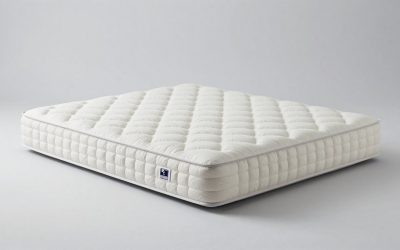
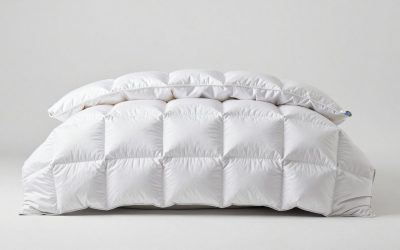
- Fill weight (GSM): Treat GSM as cushioning, not quality. Around 500 GSM gives you a protective quilted layer; 800 GSM is the comfortable middle for most sleepers; 1650 GSM is genuine pillow-top territory, best for side sleepers or reviving a mattress that has gone unforgivingly firm.
- Wool origin and processing: Merino fibers are finer and softer against the body; British and crossbred wools are springier and hold loft longer. Look for organic or third-party-certified wool if chemical scouring residues concern you, and expect a faint natural scent for the first week.
- Cover fabric and pocket depth: A breathable natural cotton shell is non-negotiable — a polyester cover cancels out wool’s moisture-wicking advantage. Measure your mattress first: a thick topper plus a 12-inch mattress can defeat standard fitted sheets, so 16-inch skirts matter.
- Construction and stability: Hand-tufted or channel-quilted builds stop the fill from migrating into corners. Toppers that resist pilling and compression will still be usable in year five; loosely filled ones flatten in a single season.
- Care realities: Wool is naturally self-cleaning and rarely needs washing — air it monthly, spot-clean spills, and use a washable protector on top. Check whether the manufacturer permits gentle machine washing before you commit, and never tumble dry on heat.
The Best Wool Mattress Toppers Reviewed (2026)
Organic Merino Wool Topper, 1650 GSM
This is the most substantial option here by a wide margin, and the handmade Merino fill delivers real pressure relief at the shoulders and hips rather than the shallow softness most toppers offer. It’s the strongest pick for chronic back or joint discomfort — just confirm your sheets can accommodate the added loft, and note this listing is Twin XL.
YOUR MOON 800 GSM Wool Topper, Queen
An excellent default choice: enough Australian wool to soften a firm mattress noticeably without the bed feeling like a cloud you sink into. The natural cotton cover breathes properly, and the 16-inch pocket accommodates most modern hybrids and pillow tops.
Luxury Organic Australian Merino Topper
The finest hand-feel of the group, with a soft, dense surface that suits people who find wool bedding slightly coarse. Its resistance to pilling and compression is the real argument for it — this one should hold its shape well past the point where cheaper toppers develop lumps.
Woolroom Deluxe Wool Mattress Pad
Woolroom builds specifically around allergy management and moisture control, and the British wool fill combined with an organic cotton cover makes this the most credible option for anyone reactive to dust mites. Emperor sizing is unusual in the US market, so measure carefully before ordering.
YOUR MOON 800 GSM Striped Wool Topper
Mechanically identical to its white sibling — same Australian fill, same cotton shell, same deep pocket — with a channel-striped face that looks more finished if you sleep without a top cover. Choose between the two on aesthetics alone.
Frequently Asked Questions
Will a wool topper sleep too hot in summer?
No, and this is wool’s defining trick. The fibers absorb up to roughly a third of their weight in moisture vapor before feeling damp, then release it into the air, which keeps the microclimate around your body stable rather than simply insulating it. Most people report cooler summer sleep than with foam.
How do I clean a wool topper?
Rarely, and gently. Lanolin makes wool naturally odor- and bacteria-resistant, so airing it in indirect sunlight every month or two handles maintenance. Spot-clean with cool water and wool-safe detergent, and use a thin washable protector to keep the topper itself out of the laundry.
Does a wool topper actually help back pain?
Indirectly, yes. It won’t correct spinal alignment on a badly worn mattress, but a high-GSM wool layer redistributes pressure at the shoulders and hips, which reduces the micro-awakenings and repositioning that leave you stiff. If your mattress sags in the middle, replace it instead.
How long should one last?
A well-constructed wool topper typically holds meaningful loft for five to eight years, though it will compress perhaps 15 to 20 percent in the first few months and then stabilize. Rotating it head-to-foot seasonally evens out the wear considerably.
Final Thoughts
For most sleepers, the YOUR MOON 800 GSM topper hits the right balance of loft, breathability, and value. If you want maximum cushioning for pressure-point pain, the 1650 GSM Organic Merino is the more serious investment, while allergy sufferers should start with the Woolroom Deluxe. And if your mattress is already comfortable and you simply want wool’s temperature regulation, the slimmer YOUR MOON 500 GSM pad is the smarter, lower-profile buy.