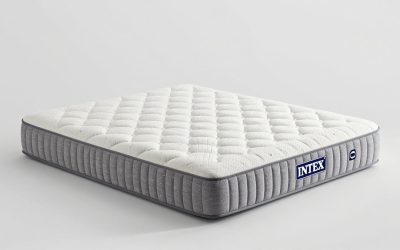
Cold sheets are more than an inconvenience — they actively delay sleep. Falling asleep depends on your core temperature dropping a degree or two, and that drop happens fastest when your hands and feet are warm enough for blood vessels to open and shed heat. Climb into a 60°F bed and your body does the opposite: it clamps down circulation, you shiver, and sleep onset stretches from ten minutes to forty. Add a partner who runs hot, an old house with drafty floors, or a thermostat you’d rather not push past 66°F, and the problem compounds night after night.
A heated mattress pad solves this from underneath, where warmth actually reaches you, instead of piling on blankets that trap heat unevenly. This guide covers what separates a well-engineered heated layer from a fire-hazard bargain — dual-zone control, timer behavior, wire distribution, deep-pocket fit — and reviews the models worth your money in 2026. We also cover the foam toppers people most often pair with a heated pad, since comfort and warmth are two different jobs and the best beds handle them in separate layers.
Our top picks



As an Amazon Associate we earn from qualifying purchases at no extra cost to you.
🛒 Best Price Today on Amazon
Prime members get fast, free shipping on everything above, plus member-only deals. New members get a 30-day free trial — cancel anytime.
How to Choose a Heated Mattress Topper (2026)
- Dual controls if you share the bed: Thermal preference between two sleepers can differ by a full 5°F of perceived comfort. Independent left/right zones end that negotiation permanently — treat it as non-negotiable on any queen or larger.
- Preheat plus auto-off, not all-night heat: The ideal pattern is a warm bed at bedtime and a cooling one by 2 a.m., mirroring your natural temperature curve. Look for 1–12 hour programmable shutoff so you can set two or three hours and let your own body heat carry the rest.
- Wire gauge and quilting density: Thin, closely spaced heating elements inside a quilted channel disappear under your body. Thick, widely spaced wires create hot stripes and cold gaps — a common complaint on cheap pads and something you’ll feel through a thin sheet.
- Pocket depth and anchoring: Measure your mattress plus any foam topper before ordering. Most quality pads fit 15–17 inches; if a heated pad migrates overnight, the wires bunch, which is both uncomfortable and a genuine safety concern.
- ETL or UL certification and a washable body: The controller should detach and the pad should survive a gentle machine cycle. Certification means the overheat protection has been independently researched — skip anything that can’t show it.
The Best Heated Mattress Toppers (2026) Reviewed
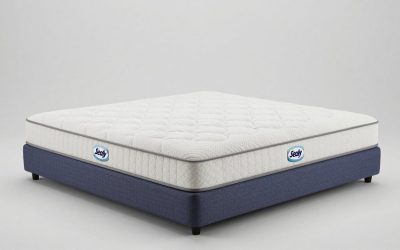
Sealy Heated Mattress Pad, Queen
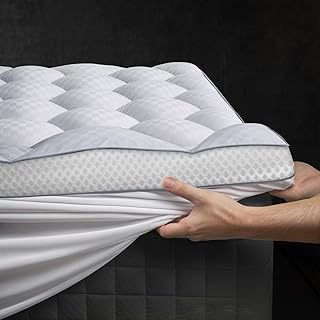
The most polished execution here: luxury quilting that reads like a proper mattress pad rather than a wired accessory, ten heat levels, dual control, and a 1–12 hour auto-off you can actually program to your sleep schedule. Its 15–17 inch pocket range also makes it the safest bet if you already sleep on a thick foam topper.
Electric Mattress Pad Queen, Quilted Wave
A strong value pick with the same core feature set — ten settings, dual control, 12-hour shutoff, ETL certification — in a lighter microfiber build that warms up noticeably fast. The wave quilting keeps the elements evenly distributed, so you get consistent warmth rather than the striping cheaper pads produce.
PRIMESOFT 4 Inch Dual Layer Topper, Queen
Not a heated product, but the best comfort base to pair with one: two inches of gel memory foam under a two-inch pillow top, with a fully waterproof cover that protects the foam from the humidity a warm bed generates. The medium-firm profile also resists the sinking that makes some sleepers feel overheated and stuck.
3 Inch Ultra-Fluffy Memory Foam Topper, Queen
Choose this if your complaint is a too-firm mattress and morning back stiffness rather than temperature alone. The air-mesh side panels are the detail that matters under a heated pad — they give trapped warm air somewhere to escape instead of pooling in the foam.
Lucid 4 Inch Gel Memory Foam Topper, Twin XL
The dorm and guest-room answer: four inches of ventilated, gel-infused plush foam on a Twin XL footprint, CertiPUR certified. Pair it with a Twin XL heated pad on top rather than underneath, since foam is an insulator and will muffle heat placed below it.
Frequently Asked Questions
Is it safe to leave a heated mattress pad on all night?
Modern ETL-certified pads with automatic shutoff are designed for it, but from a sleep-quality standpoint you shouldn’t. Continuous heat blunts the overnight temperature dip that supports deep sleep — preheat, then let it switch off within a few hours of lights out.
Should the heated pad go above or below a foam topper?
Above, always. Memory foam is a thermal insulator, so a pad underneath wastes most of its output heating the topper instead of you. Layer order: mattress, foam topper, heated pad, fitted sheet.
How much does one cost to run?
Most draw roughly 60–100 watts on a medium setting — pennies per night, and dramatically cheaper than raising a whole-house thermostat by several degrees.
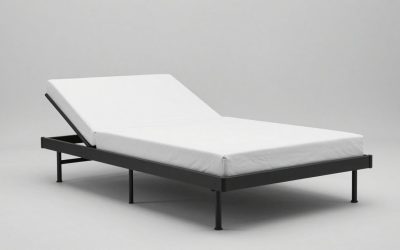
Can I use one with an adjustable base?
Generally yes, provided you secure the corner straps and confirm the pad’s stated pocket depth. Repeated articulation is what shifts and stresses wiring, so check the anchoring every few weeks.
Final Thoughts
For most bedrooms, the Sealy Heated Mattress Pad is the model to buy — the quilting, deep-pocket range, and programmable timer justify the step up. The Quilted Wave Electric Mattress Pad delivers nearly the same functionality for less, and if your mattress is too firm to enjoy either, add the PRIMESOFT 4 Inch Dual Layer Topper underneath and let each layer do the job it’s built for.