Most people don’t replace a mattress because it collapsed. They replace it because somewhere around year six, the surface quietly stopped cooperating — a hip that sinks a little too far, a shoulder that wakes up numb, a 3 a.m. flip because the sheets feel like they’ve been sitting under a lamp. That slow drift is frustrating precisely because the mattress underneath is still structurally fine. Spending a four-figure sum to fix a two-inch comfort problem is a poor trade, and a lot of sleepers make it anyway.
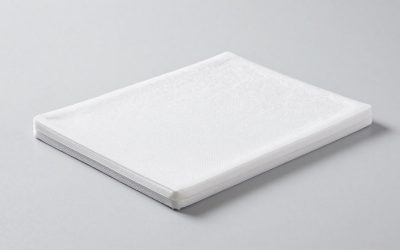
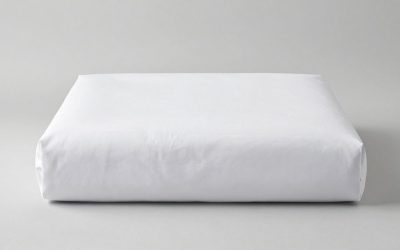
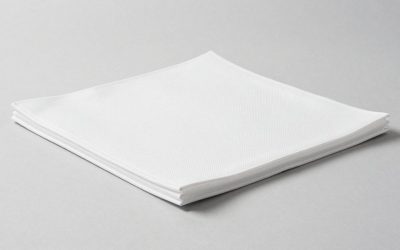
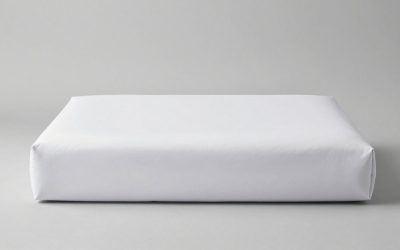
A memory foam mattress pad is the intervention that sits between “live with it” and “start over.” Done well, it re-tunes pressure distribution across the shoulders and hips, buys back a few degrees of thermal comfort, and extends the usable life of a mattress you’ve already paid for. Done badly, it’s a slab of dense foam that traps heat and slides toward the footboard by Wednesday. This guide breaks down what separates the two, then walks through the toppers and pads worth your attention in 2026 — including gel-infused foam for hot sleepers, ventilated designs for airflow, and one pillow-top option for anyone who wants plush without the foam feel.
Our top picks
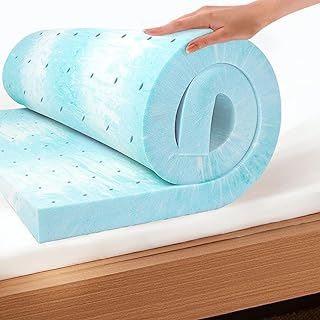


 Linenspa Memory Foam Mattress Topper
- Plush gel infused memory foam conforms to your…
- This topper is infused with a cooling gel…
- Choose your own level of comfort with a…
As an Amazon Associate we earn from qualifying purchases at no extra cost to you.
🛒 Best Price Today on Amazon
Prime members get fast, free shipping on everything above, plus member-only deals. New members get a 30-day free trial — cancel anytime.
How to Choose a Memory Foam Mattress Pad
- Thickness versus body weight: Two inches softens a firm surface without changing its support profile — ideal for back sleepers and anyone under roughly 130 lbs. Three inches is the sweet spot for side sleepers and heavier builds who need real shoulder and hip immersion. Beyond three inches, you start fighting sheet fit and bed-edge stability for diminishing comfort returns.
- Heat management, not heat claims: Gel infusion helps, but airflow architecture does more. Look for open ventilation channels, wave or convoluted surface texturing, or a mesh-panel construction. A solid, unbroken foam block will always run warmer than a perforated one of identical density.
- Certifications worth checking: CertiPUR-US confirms the foam is made without ozone depleters, certain flame retardants, heavy metals, and formaldehyde, with low VOC emissions. OEKO-TEX on the cover fabric covers the layer actually touching your skin. Both are cheap signals of a manufacturer that isn’t cutting corners.
- Anchoring system: This is the single most common source of buyer regret. Skirted pads should list a pocket depth that exceeds your mattress height by two inches or more — an 18″ pocket handles almost any pillow-top. Skirtless foam toppers need a genuinely grippy backing, not just a textured surface.
- Foam feel versus fiber feel: Memory foam contours and holds; quilted fiberfill compresses and rebounds. If your complaint is joint pressure or partner motion, choose foam. If it’s simply that the bed feels hard and flat, an overstuffed pillow-top pad often satisfies faster and sleeps cooler by default.
The Best Memory Foam Mattress Pads of 2026, Reviewed
EGO 3 Inch Gel Memory Foam Topper (Queen)
The combination here is the right one: a full three inches of gel-infused foam paired with a ventilated core, so you get side-sleeper-grade contouring without the sealed-in warmth that usually accompanies it. It’s the most complete all-rounder on this list and the one I’d hand to someone with a firm mattress and aching hips.
ViscoSoft Copper Pillow Top (Twin XL)
The outlier — quilted, overstuffed fiberfill rather than foam, which means immediate plushness, near-zero heat retention, and none of the slow-sink sensation some sleepers dislike. The deep 18″ pocket makes it the most secure fit in the group, and the Twin XL sizing is a genuine gift to anyone in a dorm or adjustable-base setup.
DOWNCOOL 3 Inch Topper (Full)
Thicker and loftier than its price suggests, with a breathable mesh border that keeps the interior from becoming a heat sink. Best suited to sleepers dealing with generalized body aches who want cushioning depth over precise, firm support.
JSELF 3 Inch Dual-Layer Gel Topper (Queen)
The most thoughtfully engineered pick: a dual-layer build, wave-textured foam that opens up airflow channels while targeting lumbar pressure, a Bekaert fabric cover, plus both CertiPUR-US and OEKO-TEX certification. The non-slip backing also solves the migration problem better than most skirtless designs manage.
Best Price Mattress 3 Inch Ventilated Topper (Queen)
A no-frills, well-executed ventilated foam topper that hits the essentials — three inches, gel infusion, CertiPUR-US certified — at the lowest cost of entry here. The obvious choice for guest rooms, rentals, and dorms where you want real improvement without real investment.
Frequently Asked Questions
How long does new-foam odor last?
Off-gassing is normal and typically resolves in 24 to 72 hours. Unbox the topper in a ventilated room, leave it uncovered while it fully expands, and don’t put sheets on until the smell has faded — trapping it under bedding slows the process considerably.
Will a topper fix a sagging mattress?
No. Foam conforms to whatever it’s placed on, so a dip in the mattress becomes a dip in the topper. Toppers correct surface firmness and temperature, not structural failure — if you can see a visible valley, it’s time for a new mattress.
Do I need special sheets?
Usually yes. A three-inch topper pushes total mattress height up accordingly, so add that to your mattress depth and buy deep-pocket sheets rated for the total. Standard sheets on a topped bed pop corners nightly.
Two inches or three?
Two inches for back and stomach sleepers, lighter builds, or minor firmness adjustments. Three inches for side sleepers, heavier builds, or anyone with active shoulder, hip, or lower-back pressure complaints.
Final Thoughts
For most sleepers, the EGO 3 Inch Gel Memory Foam Topper delivers the best balance of contouring depth and airflow, while the JSELF Dual-Layer Gel Topper is the stronger choice if pressure relief for back pain is your priority and you want the extra reassurance of dual certification. Anyone who’d rather sleep on plush cushioning than sink into foam should skip straight to the ViscoSoft Copper Pillow Top — it fixes a hard bed instantly and stays cool doing it.