A mattress that has gone soft doesn’t announce itself politely. It shows up as a dull ache in your lower back at 5 a.m., a hip that feels bruised from the inside, and that peculiar sensation of sleeping in a shallow bowl rather than on a flat plane. Most people assume the fix is a new mattress, and for a genuinely broken bed it is. But in practice assessing sleep setups, a large share of “my mattress is too soft” complaints come from beds whose comfort layers have compressed while the support core underneath is still perfectly sound. That’s a surface problem, and surface problems have surface solutions.
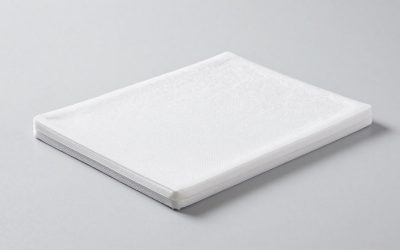
A high-density firm topper works by adding a rigid load-spreading layer above the mattress, so your body weight distributes across a wider footprint instead of sinking into a hollow. The result is a flatter sleep surface and better spinal alignment, particularly for back and stomach sleepers who need their lumbar curve supported rather than swallowed. This guide covers what actually makes a topper firm rather than merely thick, which specifications matter, and the specific models worth your money in 2026.
Our top picks


As an Amazon Associate we earn from qualifying purchases at no extra cost to you.
🛒 Best Price Today on Amazon
Prime members get fast, free shipping on everything above, plus member-only deals. New members get a 30-day free trial — cancel anytime.
How to Choose a Mattress Topper To Make Bed Firm (2026)
- Foam density over thickness: Thickness tells you nothing about firmness. A 3-inch topper made from low-density foam will collapse under a hip in a week. Look for high-density polyurethane or high-density fusion memory foam, which resists compression and holds a flat plane under sustained load.
- Match thickness to how soft your bed is: Two inches is enough to correct a mildly plush surface or add structure to a dorm bed. Three inches is the working choice for a genuinely sagging mattress or for heavier sleepers who compress everything they lie on.
- Consider a flippable dual-firmness build: Firmness preference is not fixed. It shifts with weight, injury, pregnancy, and age. A topper with firm and extra-firm sides gives you a second setting without a second purchase.
- Check certifications and off-gassing: CertiPUR-US confirms the foam is made without ozone depleters, certain flame retardants, and heavy metals, and meets low-VOC standards. OEKO-TEX on the cover addresses textile chemistry. Both matter for a product that sits inches from your face for eight hours.
- Anchoring and washability: Firm foam is dense and slick, and dense slick foam migrates. Anti-slip straps or elastic corner anchors prevent nightly repositioning. A removable, machine-washable cover keeps the foam itself out of the laundry, where it would be destroyed.
The Best Mattress Toppers To Make Bed Firm (2026) Reviewed
Extra Firm Dual-Sided Flippable Topper, Queen 3 Inch
The flippable firm/extra-firm construction is the standout feature here, letting you dial in support without committing to a single density on day one. At 3 inches of high-density foam it has enough mass to genuinely reshape a sagging queen, and the washable cover plus CertiPUR-US certification cover the practical bases.
Sleepmax Extra Firm Mattress Topper, 3 Inch Queen
Sleepmax uses a high-density fusion memory foam that behaves less like conventional memory foam and more like a firm support slab, which is exactly what you want when the goal is firming rather than cushioning. It’s a strong pick for back sleepers with lumbar pain who still want a little pressure relief at the shoulders.
Glendan Extra Firm Mattress Topper, Queen 3 Inch
Glendan pairs high-density foam with both CertiPUR-US and OEKO-TEX certification, and the anti-slip straps solve the migration problem that plagues dense toppers on smooth mattress covers. The breathable washable cover is well executed for the price bracket.
Extra Firm Mattress Topper, Full 3 Inch with Bamboo Cover
Essentially the same high-density support platform in a full size, which is a category with far fewer serious firm options. The bamboo-blend cover sleeps noticeably cooler against the skin than standard polyester knit, and the anti-slip straps keep a narrower topper properly aligned.
PERLECARE 3 Inch Firm Mattress Topper, Queen
This is the choice for people who need firmness but run hot, thanks to gel infusion and bamboo charcoal working alongside a firm high-density core. It reads slightly less rigid than the extra-firm models above, making it a sensible middle ground for side sleepers who need structure without a hard landing.
Frequently Asked Questions
Will a firm topper fix a genuinely sagging mattress?
It will fix a soft surface, not a failed core. Press on the sag: if you feel broken springs or a collapsed foundation underneath, a topper only spans the dip temporarily. If the support layer is intact and only the comfort layers have worn, a 3-inch high-density topper restores a flat, supportive plane effectively.
How firm is too firm?
The test is whether your spine stays neutral. Lie in your usual position and check for a gap under the lumbar curve when on your back, or a straight rather than S-shaped spine when on your side. If you wake with shoulder or hip soreness that wasn’t there before, the surface is over-firm for your body and a flippable or gel-infused option is a better fit.
Do firm toppers sleep hot?
Denser foam has less internal air volume, so it can retain more heat than an open-cell or ventilated design. Gel infusion, bamboo charcoal, ventilation channels, and a bamboo-blend cover all measurably help. If you’re a hot sleeper, prioritize those features rather than assuming any topper will breathe.
How long should I expect it to last?
A well-made high-density topper typically holds its structure for three to five years with regular rotation. Watch for permanent body impressions that don’t recover overnight, which is the reliable sign the foam has fatigued.
Final Thoughts
For most people correcting an overly soft queen, the dual-sided flippable topper is the smartest first purchase because it hedges against getting the firmness level wrong. The Sleepmax 3-inch is the pick if you want maximum, uncompromising support for back pain, while PERLECARE is the one to choose if firmness matters but overheating is the thing that actually wakes you up.