Key takeaways
- Thickness: Two inches takes the edge off a mildly firm bed. If your mattress feels like a countertop, or you’re a side sleeper with broad shoulders, go with three inches — that’s the threshold where the shoulder can actually descend rather than deflect.
- Density and feel: Low-density foam feels plush on day one and bottoms out by month three. Look for CertiPUR-US certification and a topper described as high-density; you want slow, even compression under the hip, not a hammock.
- Heat management: Memory foam softens as it warms and traps that heat against you. Gel infusions, ventilated or perforated cores, and breathable mesh side panels all measurably help. Hot sleepers should prioritize this over raw thickness.
- Fill type: Foam contours and holds a body impression — best for pressure-point pain. Down-alternative fiber gives you buoyant, hotel-style loft that you sleep on rather than in, and it suits combination sleepers who reposition often.
- Fit and anchoring: Check pocket depth against your mattress plus any protector. Skirted designs with deep pockets or elastic anchor straps stay put; unsecured foam slabs migrate toward the footboard within a week.
A firm mattress is supposed to be the responsible choice — until you wake up with a dead arm, an aching hip, or that low-grade shoulder soreness that follows you into the afternoon. The issue usually isn’t support; it’s surface conformity. A rigid sleep surface concentrates body weight at the shoulder and hip, the two points that need to sink to keep your spine neutral. Side sleepers and anyone under roughly 130 pounds feel this first, because there simply isn’t enough load to compress the comfort layer. And no, most beds don’t “break in” enough to fix it — the core stays exactly as firm as the day it arrived.
A topper solves the problem from the top down: you keep the structural support you paid for and add two to four inches of pressure-redistributing cushion above it. Below, I’ve reviewed the toppers I most often recommend for over-firm beds in 2026, covering both slow-response memory foam and lofted fiber pillow tops, plus what actually matters when you’re comparing specs rather than marketing copy.
Our top picks




As an Amazon Associate we earn from qualifying purchases at no extra cost to you. Ratings are shown as listed on Amazon.
🛒 Best Price Today on Amazon
Prime members get fast, free shipping on everything above, plus member-only deals. New members get a 30-day free trial — cancel anytime.
How to Choose a Mattress Topper For A Firm Mattress (2026)
- Thickness: Two inches takes the edge off a mildly firm bed. If your mattress feels like a countertop, or you’re a side sleeper with broad shoulders, go with three inches — that’s the threshold where the shoulder can actually descend rather than deflect.
- Density and feel: Low-density foam feels plush on day one and bottoms out by month three. Look for CertiPUR-US certification and a topper described as high-density; you want slow, even compression under the hip, not a hammock.
- Heat management: Memory foam softens as it warms and traps that heat against you. Gel infusions, ventilated or perforated cores, and breathable mesh side panels all measurably help. Hot sleepers should prioritize this over raw thickness.
- Fill type: Foam contours and holds a body impression — best for pressure-point pain. Down-alternative fiber gives you buoyant, hotel-style loft that you sleep on rather than in, and it suits combination sleepers who reposition often.
- Fit and anchoring: Check pocket depth against your mattress plus any protector. Skirted designs with deep pockets or elastic anchor straps stay put; unsecured foam slabs migrate toward the footboard within a week.
The Best Mattress Toppers For A Firm Mattress (2026) Reviewed
Linenspa 2 Inch Gel Infused Memory Foam Topper
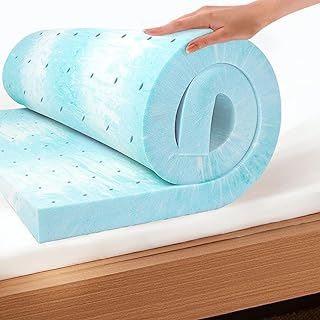
The most sensible entry point for a bed that’s only slightly too firm — two inches of gel-infused foam softens the initial contact surface without disrupting the alignment your mattress already provides. It’s the one I suggest for guest rooms and for anyone testing whether a topper is the answer before committing to more loft.
EGO 3 Inch Gel Memory Foam Topper
Three inches of ventilated, gel-infused foam gives side sleepers enough travel for the shoulder to settle while the hip stays supported, and the perforated construction keeps the surface from turning into a heat trap. This is my default recommendation for a genuinely rock-hard mattress.
SINWEEK 3 Inch Gel Memory Foam Topper
A high-density ventilated core paired with a removable, washable cover — a practical detail most foam toppers skip, and one that matters if you sleep hot or share the bed with pets. Expect a firmer, more supportive contour than plush budget foams, which suits back sleepers with lower-back complaints.
Hospitology Overstuffed Down Alternative Pillow Top
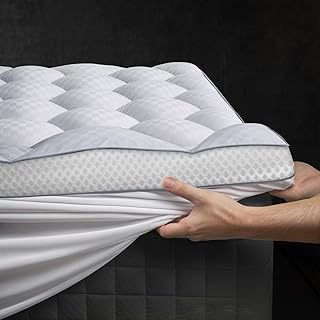
If you dislike the sinking sensation of memory foam, this hypoallergenic, overstuffed fiber topper delivers cloud-like loft you rest on top of instead. The deep-pocket skirt anchors it properly, and it sleeps considerably cooler than any foam of equivalent thickness.
Niagara Sleep Solution Bamboo Pillow Top Topper
A rayon-from-bamboo cover over a quilted fill makes this the standout for hot sleepers who still want meaningful cushioning, with a 20-inch pocket that handles tall mattresses easily. It’s a moderate softening rather than a dramatic one — ideal for a bed that’s close to right.
Frequently Asked Questions
Can a topper really fix a mattress that’s too firm?
It can fix the comfort layer, which is almost always the real complaint. What it can’t do is add support to a sagging or worn-out bed — if there’s a visible dip, a topper will follow the contour and make things worse.
Should I choose two inches or three?
Two inches for mild firmness, back sleepers, and heavier bodies who compress foam easily. Three inches for side sleepers, lighter sleepers, and anyone with diagnosed hip or shoulder pressure pain.
Memory foam or a fiber pillow top?
Choose memory foam for targeted pressure relief and joint pain. Choose fiber if you overheat, dislike the enveloped feeling, or change positions frequently through the night.
How long before it feels right?
Allow 24 to 72 hours for a compressed foam topper to fully expand and any manufacturing odor to dissipate — air it out in a ventilated room first. Give your body two weeks to adapt before judging the result.
Final Thoughts
For most people fighting a genuinely unyielding mattress, the EGO 3 Inch Gel Memory Foam Topper offers the best balance of contouring depth and airflow. Choose the Linenspa 2 Inch if you need only a modest softening, or the Hospitology Overstuffed Pillow Top if you want plush loft without the heat and hug of foam.