Key takeaways
- Prioritize density over thickness: A 2-inch high-density foam will outperform a 4-inch low-density slab for support. Look for high-density or “fusion” foam language, and treat thickness as a secondary spec — 2 to 3 inches is plenty for firming up a soft bed.
- Match the topper to why your bed feels soft: If your mattress has a genuine sag or body impression deeper than an inch or so, a topper will bridge it but not erase it. Toppers correct a mattress that is uniformly too plush, not one that has structurally failed.
- Check the certifications: CertiPUR-US confirms the foam was made without ozone depleters, certain flame retardants, and heavy metals, and that it meets low-VOC standards. Oeko-Tex on the cover fabric adds a second layer of assurance for anyone sensitive to finishes.
- Plan for heat: Dense foam breathes less than the coils beneath it. Gel infusion, open-cell structures, and breathable knit covers all help, but hot sleepers should favor toppers that pair firmness with an explicitly cooling top layer.
- Look at how it stays put: A firm topper that slides every night becomes a nightly chore. Anti-slip straps, elastic corner anchors, or a fitted-style cover matter more than most buyers expect, especially on a bed with an adjustable base.
A sagging mattress rarely announces itself. It happens gradually — a slight dip under the hips, a morning stiffness that used to fade by breakfast and now lingers until lunch. By the time most people start shopping for a firmer sleep surface, they’ve already spent months adapting their posture to a bed that no longer supports them. The instinct is to buy a whole new mattress, but for a bed whose core is still structurally sound, an extra firm topper solves the actual problem at a fraction of the cost: it restores the flat, load-bearing plane your spine needs while leaving the mattress underneath to do the rest.
The catch is that “firm” is one of the least standardized words in the bedding industry. A topper marketed as extra firm can arrive feeling closer to a plush pillow top, because manufacturers describe surface feel rather than the density that determines whether foam actually resists compression over years of use. This guide focuses on the specifications that predict genuine firmness — foam density, layer construction, and how a topper anchors to the bed — then applies them to the models most worth your attention in 2026, with notes on who each one suits and who should look elsewhere.
Our top picks



As an Amazon Associate we earn from qualifying purchases at no extra cost to you. Ratings are shown as listed on Amazon.
🛒 Best Price Today on Amazon
Prime members get fast, free shipping on everything above, plus member-only deals. New members get a 30-day free trial — cancel anytime.
How to Choose an Extra Firm Mattress Topper (2026)
- Prioritize density over thickness: A 2-inch high-density foam will outperform a 4-inch low-density slab for support. Look for high-density or “fusion” foam language, and treat thickness as a secondary spec — 2 to 3 inches is plenty for firming up a soft bed.
- Match the topper to why your bed feels soft: If your mattress has a genuine sag or body impression deeper than an inch or so, a topper will bridge it but not erase it. Toppers correct a mattress that is uniformly too plush, not one that has structurally failed.
- Check the certifications: CertiPUR-US confirms the foam was made without ozone depleters, certain flame retardants, and heavy metals, and that it meets low-VOC standards. Oeko-Tex on the cover fabric adds a second layer of assurance for anyone sensitive to finishes.
- Plan for heat: Dense foam breathes less than the coils beneath it. Gel infusion, open-cell structures, and breathable knit covers all help, but hot sleepers should favor toppers that pair firmness with an explicitly cooling top layer.
- Look at how it stays put: A firm topper that slides every night becomes a nightly chore. Anti-slip straps, elastic corner anchors, or a fitted-style cover matter more than most buyers expect, especially on a bed with an adjustable base.
The Best Extra Firm Mattress Toppers of 2026, Reviewed
Glendan Extra Firm Mattress Topper, Queen 3 Inch
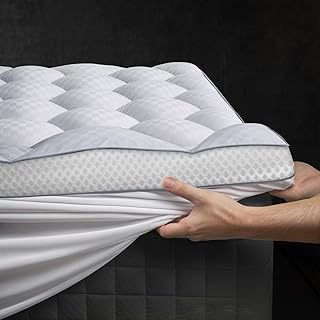
This is the most straightforwardly firm option here — high-density foam with no plush comfort layer softening the surface, plus a washable cover and anti-slip straps that keep it aligned on a queen bed. It’s the topper I’d suggest first for side or back sleepers with lower back pain who want their hips held level rather than cradled, and it carries both CertiPUR-US and Oeko-Tex certification.
Extra Firm Flippable Topper, Queen 3 Inch
The dual-sided construction is genuinely useful rather than a gimmick: one face is firm, the other extra firm, so you can calibrate after a week of sleeping on it instead of guessing at checkout. That flexibility makes it an easy recommendation for couples with mismatched preferences or anyone unsure how firm they actually want to go.
Sleepmax Extra Firm Topper, Queen 3 Inch
Sleepmax uses a high-density fusion foam that resists compression well while distributing pressure a little more evenly than a single-density block, which helps at the shoulders and hips. Reports of off-gassing are minimal, and the premium washable cover holds up to regular laundering — a practical advantage over toppers with covers you can only spot-clean.
Fracho 4 Inch King Topper, Dual Layer
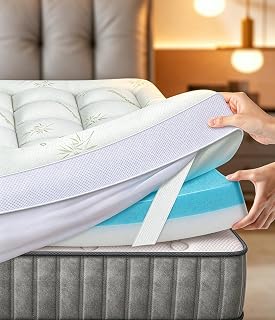
Strictly speaking this is medium-firm rather than extra firm, pairing a 2-inch bamboo rayon pillow top over 2 inches of cooling gel memory foam. Choose it if your goal is firmer support with some contouring and better temperature regulation, particularly on a king bed where a single dense slab can feel unforgivingly flat.
Linenspa 2 Inch Gel Memory Foam Topper, Queen
The plush outlier, included deliberately: it’s the low-risk way to test whether foam suits you before spending more, and its gel infusion handles heat well. Just be clear about what it is — a pressure-relieving comfort layer, not a corrective firm surface.
Frequently Asked Questions
Will a firm topper fix a sagging mattress?
Partially. It will level out mild softness and improve spinal alignment, but a dip deeper than about an inch will telegraph through any topper. At that point you’re delaying a mattress replacement rather than avoiding one.
How long does a firm foam topper stay firm?
High-density foam typically holds its support for three to five years with nightly use. Rotating it end-to-end every few months distributes wear and noticeably extends that window.
Do firm toppers sleep hot?
Denser foam does trap more heat than an innerspring surface. Gel infusions and breathable covers mitigate it, and a moisture-wicking cotton or bamboo sheet on top makes a bigger difference than most people realize.
How long should I give a new topper before judging it?
Allow 24 to 72 hours for the foam to fully expand, then two to three weeks for your body to adjust. Firmer support often feels worse for the first several nights before it feels better.
Final Thoughts
For most people seeking genuine extra firm support, the Glendan is the cleanest choice — dense, well-anchored, and honest about what it delivers. If you’d rather keep your options open, the flippable dual-sided queen topper lets you dial in firmness after the fact, while the Fracho dual-layer king is the better fit for anyone who wants firmer support without giving up contouring or cool sleep.