Your mattress is only half the story. The top two inches — the layer your shoulders, hips and ribs actually sink into — decide whether you settle within minutes or spend the first hour of the night quietly negotiating with a surface that refuses to give. It’s why plenty of people with a structurally sound mattress still wake with a dead arm, a stiff lumbar spine, or the vague sense they never fully switched off. Replacing the whole bed is an expensive answer to a shallow problem.
A down and feather topper changes that contact layer for a fraction of the cost, and when it’s built properly it does two things at once: it redistributes pressure at the hips and shoulders, and it buffers the small temperature swings that fragment sleep in the second half of the night. The trouble is that “featherbed” covers everything from a genuinely engineered sleep surface to a flat sack of quills. This guide breaks down fill ratios, baffle construction and shell fabric, then reviews the toppers worth your attention in 2026.
Our top picks

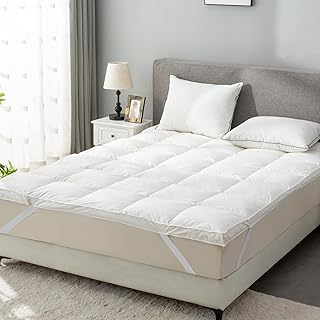


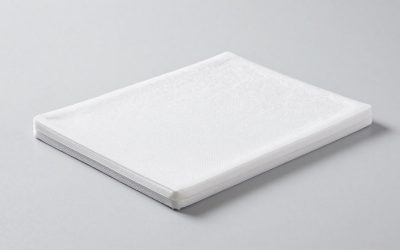
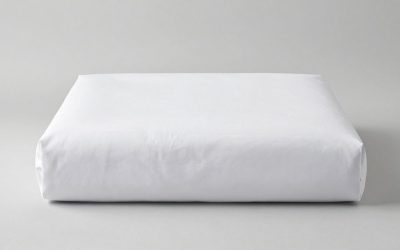
 Queen Mattress Topper
- 1.Extra Thick and Luxury Comfort: Drift into a…
- 2.Cool and Breathable: The top surface features good…
- 3.Elastic Deep Pocket: Elastic deep pocket will wrap…

As an Amazon Associate we earn from qualifying purchases at no extra cost to you.
🛒 Best Price Today on Amazon
Prime members get fast, free shipping on everything above, plus member-only deals. New members get a 30-day free trial — cancel anytime.
How to Choose a Down Feather Mattress Topper (2026)
- Down-to-feather ratio: Feathers supply structure and rebound; down clusters supply softness and warmth. A higher feather percentage holds loft longer and suits heavier sleepers or anyone who dislikes the sinking sensation, while down-forward blends feel plusher but compress faster. Blended fills are the sensible middle ground for most beds.
- Baffle-box construction: Sewn-through stitching creates cold, flat channels where the fabric is pinned together. Baffled boxes use internal fabric walls so each chamber keeps its full height and the fill can’t drift toward the foot of the bed after a few weeks.
- Loft versus support: Two to three inches is the useful range. Under two inches you’ll feel the mattress through it; much beyond three and side sleepers can lose spinal alignment as the pelvis drops. Dual-layer designs — a firmer feather base under a softer top — give height without that collapse.
- Shell fabric and fill containment: Look for tightly woven cotton, ideally downproof cambric or a 233+ thread count. A loose weave means quill tips migrating through the fabric within a month. Natural cotton also moves moisture better than polyester shells, which matters if you run warm.
- Anchoring and care: Elastic corner straps or a deep-pocket skirt keep the topper from creeping, particularly on pillow-top mattresses. Check whether it’s machine washable or spot-clean only, and plan on shaking it out weekly to redistribute the fill.
The Best Down Feather Mattress Toppers (2026), Reviewed
ELEMUSE Goose Down Feather Topper, Queen
The fused down-and-feather fill lands in that useful middle zone — soft enough to feel like a genuine upgrade, resilient enough that it doesn’t bottom out under a heavier hip. The deep-pocket skirt is the practical win here, making it one of the few options that stays put on an already-tall pillow-top mattress.
Baffled Pillowtop Goose Down Feather Topper with Straps
Proper baffled boxes plus corner straps address the two most common complaints about featherbeds: fill migration and nightly repositioning. The all-season weight and hypoallergenic processing make it a low-risk pick if you’re new to natural fill and unsure how you’ll handle it.
Dual Layer Goose Feather & Down Topper, Organic Cotton
The two-chamber design is the smartest engineering on this list — a denser feather base carries your weight while a down-rich upper layer handles surface softness, which is exactly how a high-end hotel bed is built. The organic cotton shell breathes well and keeps quill tips where they belong.
3-Inch Goose Feather Pillow Top Topper, King
Three inches of feather fill over a 100% cotton cover gives real pressure relief at the shoulder and hip, which is why this suits sleepers whose lower-back complaints trace back to a too-firm mattress. Adjustable straps and an anti-slip base keep a king-size panel from wandering overnight.
Cotton Extra-Thick Pillow Top Mattress Pad, Queen
For sleepers who want the cushioned pillow-top feel but overheat under dense down, this cotton-topped pad is the pragmatic alternative — breathable, washable, and considerably easier to maintain. Expect gentler cushioning than a true featherbed rather than that deep, enveloping loft.
Frequently Asked Questions
Do feather toppers sleep hot?
Feathers are more breathable than memory foam because air circulates between the quills rather than being trapped in a solid mass. Heat retention usually comes from a synthetic shell or an overly down-heavy fill, so hot sleepers should prioritise cotton covers and feather-forward blends.
Will the quills poke through?
Occasional tip-through is normal with any natural fill, but persistent poking signals a low-thread-count shell. Push protruding quills back through from the inside rather than pulling them out, which enlarges the hole.
How do I keep the loft from flattening?
Shake the topper vigorously from each end once a week and rotate it head-to-foot monthly. Airing it in indirect sunlight for an hour or two also drives out absorbed moisture, which is the main cause of gradual compression.
Are these suitable for allergy sufferers?
Most modern fills are washed and sterilised to remove the proteins and dust that trigger reactions, and a tightly woven cotton shell doubles as a mite barrier. True feather allergies are uncommon, but if you react to down pillows, choose the cotton pillow-top option instead.
Final Thoughts
If you want the most complete sleep surface here, the Dual Layer Goose Feather & Down Topper earns it — the stacked firm-under-soft construction solves the sag problem that undermines most featherbeds. The ELEMUSE Queen is the better-value everyday choice thanks to its deep-pocket fit and balanced fill, while the 3-Inch Goose Feather King is the one to pick if pressure relief and back comfort are your primary reasons for buying.