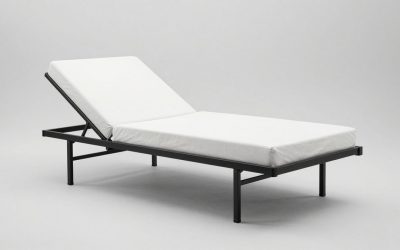
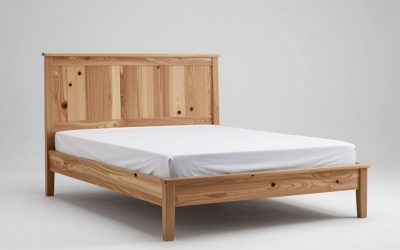
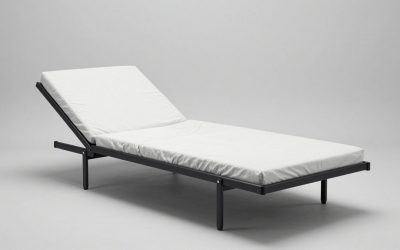
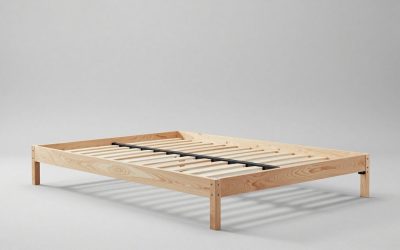
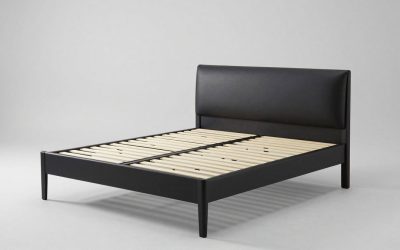
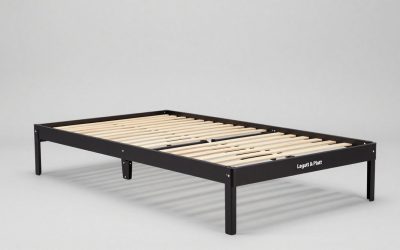
An extra high bed frame with headboard lifts the mattress platform to roughly 18–24 inches off the floor, with the top of the headboard usually landing between 50 and 60 inches — a configuration that buys you real under-bed storage and easier entry for tall adults, but trades away comfort for shorter sleepers, kids, and pets. Before you buy, three separate measurements matter, and most listings only give you one of them.
Our top picks
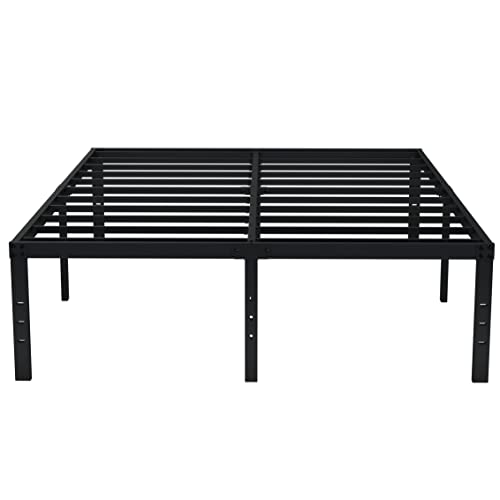

 Feuorlwe Queen Size 50.4'' Upholstered Tall Headboard
- Tall Wingback Upholstered Headboard for Comfort & Style:…
- Sturdy Platform Bed Frame with Strong Support: Built…
- Noise-Free Sleep with EVA Silent Design: Engineered with…

As an Amazon Associate we earn from qualifying purchases at no extra cost to you.
The Three Heights You Actually Need to Check
Listings often advertise “18-inch frame” or “tall headboard” without clarifying what was measured. There are three distinct numbers:
- Platform or rail height — floor to the top of the side rail, where the mattress sits. This determines under-bed clearance and climbing effort.
- Headboard height — floor to the top of the headboard, typically 48–62 inches on tall frames.
- Finished sleeping height — platform height plus mattress thickness. This is the number your knees feel.
| Setup | Platform / rail height | Headboard height (floor to top) | Sleeping surface with 12 in mattress |
|---|---|---|---|
| Standard frame | 7–14 in | 36–48 in | 19–26 in |
| High frame | 15–17 in | 48–54 in | 27–29 in |
| 18 inch high bed frame with headboard | 18 in | 50–56 in | ~30 in |
| Extra tall / storage-max | 20–24 in | 54–62 in | 32–36 in |
The 18 inch high bed frame with headboard is the most common tall configuration for a reason: paired with a 10–12 inch mattress, it puts the sleeping surface near 28–30 inches — close to the height of a dining chair seat stack — and leaves meaningful storage room underneath. Going past 20 inches of rail height mostly makes sense when storage is the primary goal.
For ceiling fit, the math is easy on paper: an 8-foot (96-inch) ceiling still leaves about 3 feet of wall above a 60-inch headboard. The catch is proportion — a 60+ inch headboard can visually dominate rooms with low ceilings, sloped attic walls, or windows that start below 36 inches. Measure the headboard’s top against window sills, outlets, and any wall-mounted shelves before ordering.
Storage Gains vs. Accessibility Trade-Offs
Advertised frame height isn’t usable clearance. Deduct roughly 1.5–2 inches for the bottom rail and any center support bar: an 18-inch frame delivers about 14–15.5 inches of real vertical space. Under a queen (roughly 60 × 80 inches), that works out to around 30 cubic feet of potential storage — versus only 15–18 cubic feet under a standard 7-inch frame.
What that clearance actually fits:
- Standard under-bed bins (6–8 in tall): fit under any high frame with room to spare.
- Tall bins and rolling drawers (10–13 in): need at least a 15-inch rail height.
- Carry-on suitcases stored upright (9–10 in deep): fit under 16+ inch frames.
- Vacuum bags, sports gear, small furniture like folded chairs: realistic only at 18+ inches.
The accessibility cost is real. Ergonomic guidance puts comfortable sit-to-stand bed height at roughly knee height — about 20–23 inches total for most adults. On a 30-inch surface, anyone under about 5’8″ will have dangling feet, and anyone with hip or knee issues has to push harder to stand. Wheelchair transfers need a level surface around 19–20 inches, so an extra high frame is usually wrong for that use case. Pets and small children face a 30+ inch drop and often need stairs or a step stool (8–10 inches works for most).
Frame Materials and Support for Tall Setups
Height multiplies leverage. Every inch of extra leg length amplifies wobble when you roll over or sit on the edge, so tall frames need more structure than low ones: a center support rail, at least one or two legs running to the floor in the middle of the bed, and bolted (not hooked) headboard attachments.
| Material | Typical queen price | Weight capacity | Strengths | Watch-outs |
|---|---|---|---|---|
| Solid wood (oak, pine, rubberwood) | $400–$1,000 | 600–1,000 lb | Stiff legs resist wobble; repairable; ages well | Heaviest boxes (100–160 lb total); pricier |
| Engineered wood (MDF/particleboard + veneer) | $200–$450 | 500–700 lb | Cheapest; uniform finishes | Cam locks loosen and squeak; veneer chips; swells if wet |
| Steel platform | $150–$400 | 700–1,500 lb | Max clearance; lightest shipping weight; best storage value | Can squeak as bolts loosen; industrial look unless paired with a headboard |
| Upholstered (fabric over wood/metal frame) | $350–$800 | 500–800 lb | Soft, tall headboards; widest style range | Fabric stains and pills first; bulkier boxes |
Most tall designs sold today are platform builds — an extra high platform bed with headboard uses a slatted deck, so no box spring is needed. That’s a feature, not a compromise: adding even a low-profile 5-inch box spring to an 18-inch frame plus a 12-inch mattress produces a 35-inch surface, which is too tall for nearly everyone. For slats, look for gaps of 3 inches or less — many foam and hybrid mattress warranties require it — and roughly 12–14 slats on a queen. On steel frames, check that support legs are adjustable; on carpet, fixed legs settle unevenly and cause rocking.
Matching the Frame to Your Situation
| Your situation | Best pick | Why |
|---|---|---|
| Small apartment, storage-starved | 18–24 in steel or wood platform, open under-bed | ~30 cu ft of bin and drawer space replaces a dresser |
| Bad knees, hips, or senior sleeper | 20–23 in total: 14–16 in frame + 8–10 in mattress | Sit and stand at knee height without pushing |
| Tall sleepers (6 ft and over) | 18 in frame + 12–14 in mattress | 30 in surface means no deep squat to get in |
| Kids climbing on, pets jumping off | 14–18 in frame, plus pet stairs if needed | Reduces fall height from 30+ inches |
| Renter or frequent mover | Bolt-together steel platform + separate bolt-on headboard | Flat-packs into 60–80 lb boxes that fit 30 in doorways and stair turns |
| Style-first primary bedroom | 54–60 in upholstered or wood headboard, 15–18 in rail | Tall headboard proportions suit 8–9 ft ceilings without an extreme climb |
Assembly, Moving, and What Wears Out First
Expect a queen steel frame to arrive in a single 55–85 lb box; solid wood frames split into 2–3 boxes of 40–70 lb each. Headboard panels are the shipping wildcard — an assembled queen headboard runs 62–66 inches wide, but flat-packed versions ship in cartons around 70 × 35 × 6 inches, which clears a standard 30–32 inch interior door and most stairwell turns. Avoid pre-assembled one-piece wooden headboards if you have tight corners or a narrow landing.
Plan 60–90 minutes with two people. The one maintenance habit that matters: retighten all bolts two weeks after assembly, then once a year. Squeaks on tall frames almost always trace to loosened bolt joints or slat end caps, not broken parts. In order of what typically wears first: bolt joints (noise), plastic slat caps (cracking), upholstered fabric (pilling and stains), and veneer edges on engineered wood (chipping where the vacuum bumps). Felt pads under every leg prevent carpet crush and hard-floor scratches.
Frequently Asked Questions
Is an 18 inch high bed frame with headboard tall enough for storage bins?
Yes — you get roughly 14–15.5 inches of usable clearance, enough for 10–13 inch rolling drawers, tall bins, and upright carry-on luggage. Only bins taller than about 14 inches won’t fit.
Can I add a box spring to an extra high platform bed with headboard?
You can physically, but shouldn’t. A platform frame’s slats already replace the box spring, and adding one pushes the sleeping surface past 34–36 inches — awkward for almost every sleeper.
What total bed height is best for someone with mobility issues?
Around knee height, typically 20–23 inches from floor to top of mattress. That usually means a 14–16 inch frame with a thinner mattress — not an extra high frame.
How do I stop a tall bed frame from wobbling?
Retighten every bolt, confirm the center support legs actually touch the floor (add shims or felt pads if not), and if the headboard still rocks, check whether it attaches with bolts or just rests in slots — bolted conversions are far stiffer.