Key takeaways
- Walkway clearance: 24 inches is the minimum you can sidle through; 30 inches is comfortable; 36 inches is what you want at the foot of the bed if drawers or closet doors open there.
- 10 × 12 ft room: A twin along the long wall leaves roughly 60 inches of open floor — enough for a desk and dresser with 30-inch walkways.
- 8 × 10 ft room: Put the bed in a corner so only one long side needs clearance; you keep a single 30-inch path and the room stays workable.
- Door swing: Standard interior doors are 30–32 inches wide; check that the door arc doesn’t hit a 75–80-inch bed pushed against the hinge wall.
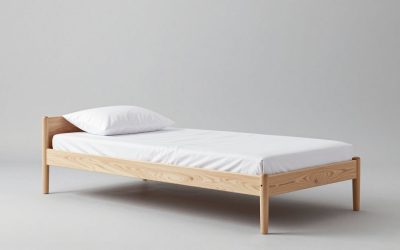
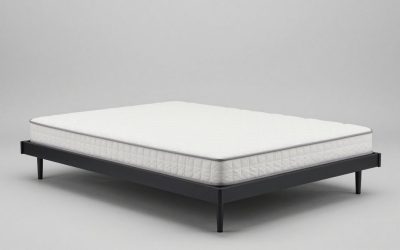
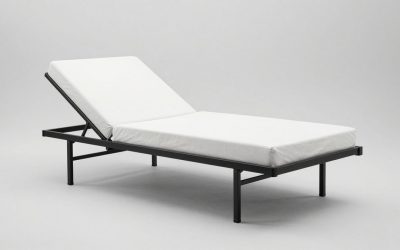
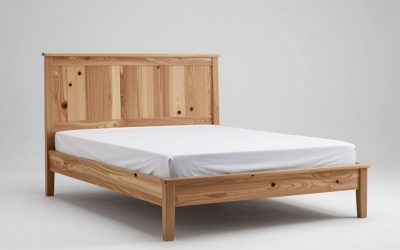
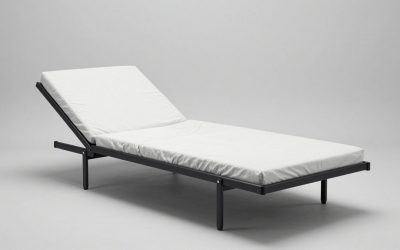
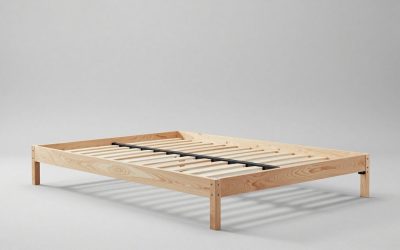
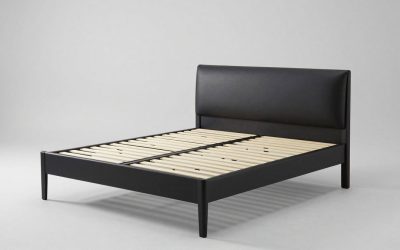
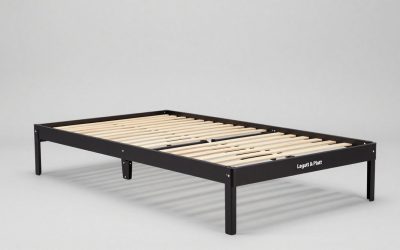
A twin bed frame low to the ground means a platform height of roughly 4–10 inches: under 6 inches is a true floor bed, 7–10 inches is a low platform, and 11–14 inches is what most listings call “standard-low.” For a Montessori-style kids’ room, stay at 6 inches or below; for a small adult bedroom, 7–10 inches delivers the low-profile look while still leaving usable clearance underneath.
Our top picks


As an Amazon Associate we earn from qualifying purchases at no extra cost to you.
How the height tiers actually break down
Three numbers matter more than the marketing label: platform height (where the slats sit), top-of-mattress height (platform plus mattress thickness, usually 6–10 inches), and real under-bed clearance — which is typically 1–2 inches less than the platform height because side rails and support beams hang below the slats.
| Height tier | Platform height | Top of mattress* | Real clearance | Best for |
|---|---|---|---|---|
| Floor bed | 2–6 in | 8–14 in | 0–4 in | Montessori rooms, toddlers, minimalist setups |
| Low platform | 7–10 in | 15–20 in | 4–8 in | Small adult bedrooms, modern/low-slung look |
| Standard-low | 11–14 in | 19–24 in | 8–12 in | Under-bed bins, guest rooms, easier sit-down height |
*Assumes a 6–10 inch mattress. A 12-inch mattress on a 10-inch platform puts the top at 22 inches — no longer “low” in feel.
For reference, a conventional frame plus box spring puts the mattress top around 24–26 inches. Dining chair seat height is about 18 inches — anything below that starts to feel like sitting on the floor when you stand up.
Will a low twin fit your room? Run these numbers
A twin mattress measures 38 × 75 inches (twin XL: 38 × 80), and the frame adds 1–3 inches to each dimension. Low frames don’t change the footprint — they change how the room feels, because a 9-inch frame exposes far more wall than a 25-inch bed, making ceilings read taller.
- Walkway clearance: 24 inches is the minimum you can sidle through; 30 inches is comfortable; 36 inches is what you want at the foot of the bed if drawers or closet doors open there.
- 10 × 12 ft room: A twin along the long wall leaves roughly 60 inches of open floor — enough for a desk and dresser with 30-inch walkways.
- 8 × 10 ft room: Put the bed in a corner so only one long side needs clearance; you keep a single 30-inch path and the room stays workable.
- Door swing: Standard interior doors are 30–32 inches wide; check that the door arc doesn’t hit a 75–80-inch bed pushed against the hinge wall.
The under-bed clearance trade-off
Going low costs you storage — that’s the real price. At 4 inches of true clearance, only a robot vacuum (most need about 3.5–4 inches) and flat items like gift wrap boxes fit. At 7–8 inches, slim rolling bins and shoe organizers work. You need 10 inches or more for standard storage totes. The upside: frames under 6 inches collect almost no dust bunnies and can’t become a lost-sock graveyard, which matters in kids’ rooms.
Montessori and kids’ room specifics
Montessori floor beds exist so a child can climb in and out independently — which only works if the mattress top is within easy leg-swing of the floor, roughly 8–12 inches total. That means a 2–4 inch frame with a 5–8 inch mattress, or a mattress directly on a slatted base. A few realities:
- Fall distance, not zero: toddlers roll out. A 10-inch drop onto carpet or a rug is uneventful; a 20-inch drop is not. Stay low rather than relying on rails.
- Optional guardrails: many floor-bed designs include a removable rail on the open side — useful during the transition out of a crib.
- Mattress thickness: thinner is better here. A 6-inch foam mattress keeps the total height toddler-scaled; check pediatric safe-sleep guidance for your child’s age before switching.
- Airflow: slats matter even at floor level — a mattress flat on carpet traps moisture. Choose a frame with a slatted deck, even if it’s only 2 inches off the floor.
Material and construction trade-offs
| Material | Typical twin price | Typical weight limit | What wears first |
|---|---|---|---|
| Solid pine or hardwood | $150–$600 | 300–500 lb | Slats can crack under point loads; otherwise the quietest long-term option |
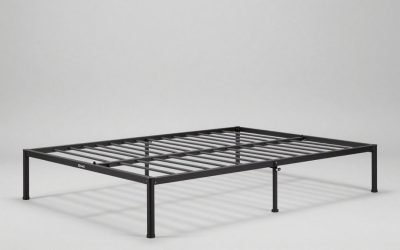
| Steel/iron frame | $60–$200 | 250–700 lb | Bolts loosen and squeak; feet can scratch hard floors |
| Engineered wood (MDF/particleboard) | $80–$250 | 200–300 lb | Cam-lock joints loosen with moves; veneer edges chip |
Whatever the material, check slat spacing if you’re using a foam mattress: gaps over 3 inches can void mattress warranties and cause sagging between slats. Low frames from brands like Zinus (metal low platforms), IKEA (simple pine beds), and Max & Lily (solid-wood floor beds for kids) cover all three tiers at different price points.
Stability: why low usually wins
Low frames are inherently more stable — a lower center of gravity means less racking when someone sits on the edge. The details that separate a solid frame from a wobbly one are the same at any height: a center support rail on longer twin XL frames, metal corner brackets rather than dowels alone, and legs that sit directly under the corners. If a listing shows a frame held together only by cam locks and short dowels, expect looseness within a year of regular use.
Which height fits your situation?
| Your situation | Pick | Why |
|---|---|---|
| Montessori toddler room | 2–6 in floor bed, optional rail | Independent access; short, safe roll-out distance |
| Kid who needs toy/clothes storage | 11–14 in | Fits 6–10 in bins or trundle-style drawers |
| Adult in a small apartment | 7–10 in | Opens sightlines, still clears a robot vacuum and slim bins |
| Older adult or knee/back issues | 11–14 in + thicker mattress | Keeps the mattress top near 18–22 in for easier standing |
| Renter who moves every year or two | Metal low platform, 7–10 in | Flat-packs small, survives repeated reassembly, weighs least |
Assembly and moving realities
Twin frames ship in one or two flat boxes weighing 35–75 lb — manageable for one person up stairs, though solid-wood headboards push toward the heavy end. Everything fits through a 30-inch doorway; the constraint is stairwell turns for boxes over 60 inches long. Plan on 30–60 minutes of assembly with an Allen key. Two upkeep notes: retighten all bolts about a month after assembly (frames settle and squeak otherwise), and if you’re buying engineered wood, expect cam locks to need re-snugging after every move — solid wood and welded metal tolerate reassembly far better.
FAQ
Is a low twin frame comfortable for adults?
Yes, as long as the mattress top lands at 16 inches or higher. Below that — common on floor beds with thin mattresses — getting up feels like rising from the floor, which is fine for most adults under 40 but annoying with stiff joints.
Do low twin frames need a box spring?
No. Platform slats replace the box spring entirely — that’s part of why these frames sit so low. Adding a box spring defeats the purpose and raises the mattress awkwardly.
Can a twin XL mattress go on a twin frame?
No. Twin XL is 5 inches longer (80 vs 75 inches) and will overhang the frame. If the sleeper is over 6 feet tall, buy a twin XL frame specifically.
Will a robot vacuum fit under a 7-inch frame?
Probably not. Most robot vacuums need about 4 inches of true clearance, and a 7-inch platform typically delivers only 5–6 inches after the side rail. Measure from the bottom of the rail, not the listed platform height, and give yourself an inch of margin.