Medium firm is the most requested feel in the mattress industry, and also the most inconsistently delivered. One brand’s “medium firm” sinks like a beanbag; another feels like a gym floor with a quilt on it. The confusion is understandable — firmness is measured on an unregulated scale, and a foam that feels supportive to a 130-pound side sleeper can feel punishing to a 220-pound back sleeper. Add heat retention, off-gassing, and the anxiety of buying a bed you can’t lie on first, and it’s no wonder people postpone the purchase for years while sleeping badly.
As a sleep-wellness practitioner, I evaluate mattresses the way I evaluate sleep habits: by whether they let the nervous system settle and stay settled. That means spinal neutrality, minimal micro-arousals from partner movement, and a surface that doesn’t trap body heat during the core-temperature drop that initiates deep sleep. Below are the medium-firm memory foam and hybrid beds worth your money in 2026, plus the buying criteria I give my own clients.
Our top picks
 EGOHOME Queen 14 inch Memory Foam Mattress
- Cooling Fabric Combine with Graphene Technology: In short,…
- Most Advanced Memory Foam by MLILY: The top…
- CertiPUR-US Certified & Endorsed by ICA: Foam proudly…
 Nectar 12” Memory Foam Mattress
- Just move the box to the room you…
- Introducing our signature combination of fabrics and foams…
- Whether you're a side sleeper, back sleeper, stomach…


As an Amazon Associate we earn from qualifying purchases at no extra cost to you.
🛒 Best Price Today on Amazon
Prime members get fast, free shipping on everything above, plus member-only deals. New members get a 30-day free trial — cancel anytime.
How to Choose a Memory Foam Mattress Medium Firm (2026)
- Match firmness to your dominant sleep position: Back and combination sleepers generally do best on true medium firm. Dedicated side sleepers under roughly 150 pounds often want the softer end of the medium-firm band, since shoulders and hips need to sink enough to keep the spine level.
- Prioritize cooling at the comfort layer, not just the cover: Gel beads, copper infusions, and graphene conduct heat away from the body far better than a marketing label on a fabric. Height matters too — a thicker profile buries you deeper in foam, so 11 to 12 inches is often cooler than 14.
- Check the certifications before the price: CertiPUR-US indicates the foam has been tested for low VOC emissions and prohibited flame retardants. Explicit “fiberglass free” labeling is worth seeking out, since fiberglass fire barriers can shed if a cover is removed.
- Consider a hybrid if you sleep hot or need edge support: Pocketed coils create vertical airflow and a more responsive push-back, which helps heavier sleepers and anyone who dislikes the enveloped feeling of all-foam beds.
- Treat the trial period as part of the product: Bodies need two to four weeks to adapt to a new support surface, and the initial stiffness many people feel is adaptation, not a mistake. A trial of 100 nights or longer gives you room to judge fairly.
The Best Memory Foam Mattress Medium Firm (2026)s Reviewed
EGOHOME 14″ Copper Gel Memory Foam Mattress
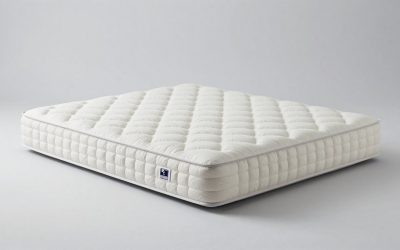
This is the most thoroughly specified bed on the list: copper-gel infusion for conductive cooling, a graphene-treated cover, fiberglass-free construction, and chiropractic endorsement aimed squarely at lower back complaints. The 14-inch profile gives back and stomach sleepers a deep, cradling contour without the sag that thinner budget foams develop at the hips.
Nectar 12″ Memory Foam Mattress (Queen)
Nectar has spent a decade refining a balanced medium-firm feel, and the current 12-inch build is the safest recommendation I can make for couples with mismatched preferences. Motion isolation is excellent, and the year-long trial removes essentially all purchase risk.
Nectar 12″ Memory Foam Mattress (Full)
Identical construction in a smaller footprint, which makes it a strong pick for guest rooms, teens, or solo sleepers in tighter bedrooms. If you share a full-size bed nightly, size up — the foam performs well, but 54 inches of width is the limiting factor, not the mattress.
Vibe 12″ Gel Memory Foam Mattress (Twin XL)
The best value here for dorm rooms, adjustable frames, and split-king setups. Gel-infused foam and a genuinely neutral medium-firm response deliver pressure relief that punches well above its price bracket.
Casper Original 11″ Memory Foam Mattress (Twin)
Casper’s zoned support remains its real advantage: firmer foam beneath the hips and lumbar region, softer beneath the shoulders, which keeps the spine aligned when you roll onto your side mid-night. The 11-inch height also sleeps cooler than most deeper all-foam beds.
Frequently Asked Questions
Is medium firm the right choice for back pain?
Clinical evidence generally favors medium-firm surfaces over very firm ones for chronic non-specific low back pain, because they maintain lumbar curve while distributing load. That said, pain patterns vary — if symptoms worsen after four weeks, the mattress is the wrong match regardless of the label.
How long does a memory foam mattress take to break in?
Expect two to four weeks. Foam softens slightly with use, and your body simultaneously recalibrates from the old surface. Sleeping on it every night, rather than intermittently, speeds this up considerably.
Do memory foam mattresses actually sleep hot?
Older dense foams did, because they insulate rather than conduct. Modern gel, copper, and graphene infusions plus open-cell structures have narrowed the gap substantially, though a hybrid with pocketed coils still moves air more effectively.
What foundation should I use?
Any solid platform or slatted base with gaps no wider than about three inches. Wider gaps let foam bulge downward, which causes premature softening and voids most warranties.
Final Thoughts
For most sleepers, the Nectar 12″ is the lowest-risk buy in this category — balanced feel, proven motion isolation, and a full year to change your mind. If lower back pain is your primary concern, the EGOHOME 14″ offers the most deliberate engineering for spinal support and heat management, while the Casper Original earns its place for zoned alignment in smaller sizes. Choose the one that matches your sleep position and temperature profile, then give it a month before you judge it.