Key takeaways
- Just move the box to the room you…
- Introducing our signature combination of fabrics and foams…
- Whether you're a side sleeper, back sleeper, stomach…
Shopping for an affordable memory foam mattress in 2026 means wading through hundreds of listings that describe themselves in nearly identical language. Every box promises pressure relief, every foam is somehow cooling, and every listing claims medium firmness — a term that can mean wildly different things from one factory to the next. The genuine risk at the lower end of the market isn’t a bad first night; it’s a mattress that feels fine for eight weeks, then develops a body impression you can see from across the room.
As someone who spends a lot of time looking at how sleep surfaces hold up over months rather than minutes, I’ve focused this guide on the things that predict longevity and comfort: foam construction and certification, profile height matched to body weight, how a mattress actually manages heat, and what happens if you don’t get along with it. Below are the economical memory foam mattresses worth your attention this year, along with a short framework for choosing between them.
Our top picks

 Nectar 12” Twin Memory Foam Mattress
- Just move the box to the room you…
- Introducing our signature combination of fabrics and foams…
- Whether you're a side sleeper, back sleeper, stomach…

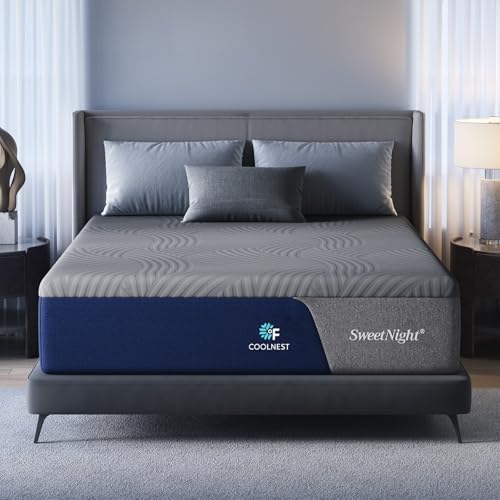 Sweetnight CoolNest 14 Inch King Size Mattress
- CoolNest System for a Cooler Night - The…
- 5-Zone Support for Pressure Relief - Engineered with…
- Motion Isolation for Undisturbed Sleep - Constructed with…

As an Amazon Associate we earn from qualifying purchases at no extra cost to you.
🛒 Best Price Today on Amazon
Prime members get fast, free shipping on everything above, plus member-only deals. New members get a 30-day free trial — cancel anytime.
How to Choose an Economical Memory Foam Mattress (2026)
- Match profile height to body weight: A 6-inch mattress suits children, guest rooms, and lighter sleepers; adults over roughly 180 pounds should look at 10 inches or more so they aren’t compressing the comfort layer down onto the base foam every night.
- Insist on CertiPUR-US and a fiberglass-free build: Certification covers emissions and foam content, while a fiberglass-free cover spares you the well-documented mess that happens when someone removes a sock-style cover for washing.
- Read “medium firm” skeptically: Most budget foam runs slightly firmer than the label implies, which generally favors back and stomach sleepers. Dedicated side sleepers may want the softer end of the range or a thicker comfort layer.
- Understand the cooling method: Gel beads and green-tea or charcoal infusions modestly slow heat buildup; zoned construction, open-cell foam, and a breathable knit cover do more. Airflow beats additives.
- Check the trial and warranty terms together: Foam needs two to four weeks to settle and for your body to adapt, so a trial shorter than 30 days is barely a trial at all. A 10-year warranty with a clear sag threshold is the stronger signal.
The Best Economical Memory Foam Mattresses (2026), Reviewed
Novilla 6-Inch Queen Gel Memory Foam
The Novilla is the most practical low-profile option here: green tea–infused gel foam over a supportive base, medium firm, and thin enough to work on a daybed, bunk, or trundle where thicker mattresses won’t fit. It’s a strong guest-room or teen-bedroom choice rather than a primary bed for heavier adults.
Nectar 12-Inch Twin Memory Foam
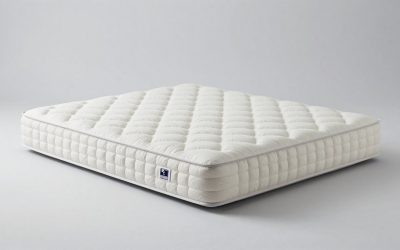
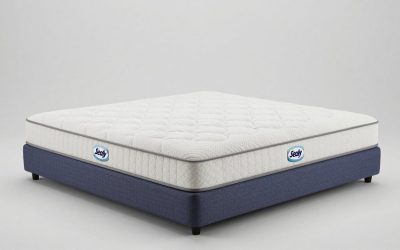
Nectar brings genuine brand accountability to a budget price, and the 12-inch twin delivers deep contouring with enough support beneath it to avoid the hammock effect. The extended trial and long warranty make it the lowest-risk purchase on this list.
FATHOM 12-Inch Queen Memory Foam
Built for people who wake with lower-back stiffness, the FATHOM pairs gel-infused comfort foam with a firm transition layer that keeps the hips from dropping out of alignment. The removable, fiberglass-free cover is a meaningful practical advantage over sealed budget builds.
Sweetnight CoolNest 14-Inch King
At 14 inches with five-zone ergonomic support, the CoolNest is the pick for couples and larger-framed sleepers who need real depth beneath them. The zoning softens under the shoulders while staying firm at the lumbar region, and breathability is noticeably better than flat-slab budget foam.
EGOHOME 8-Inch Full Green Tea Foam
A sensible middle ground for a full-size bed, the EGOHOME uses cooling green tea gel foam in a medium-firm build that suits back sleepers and combination sleepers of average weight. It’s an efficient upgrade from a worn innerspring without committing to a thick, heavy mattress.
Frequently Asked Questions
How long should an economical memory foam mattress last?
Expect six to eight years from a well-made budget foam mattress used nightly, and longer in a guest room. Rotating it head to foot every three months meaningfully delays permanent body impressions.
Does gel or green tea infusion really keep you cooler?
Both help at the margins — gel adds thermal mass, green tea and charcoal help with odor control — but neither substitutes for airflow. Pair any foam mattress with breathable cotton or Tencel sheets and a lightweight protector rather than a plastic-backed one.
Can I sleep on it the first night?
Usually yes. Give a compressed mattress four to six hours to expand and air out in a ventilated room; the new-foam smell typically dissipates within 24 to 72 hours and is a normal result of vacuum packaging.
Do I need a box spring?
No — foam needs a flat, rigid surface. A platform bed, bunkie board, or slatted frame with gaps under three inches works well; wide slats let foam sag between them and can void your warranty.
Final Thoughts
For most buyers, the Nectar 12-inch offers the best combination of build quality and buyer protection at this price level, while the FATHOM 12-inch queen is the smarter pick if back support is your priority. Couples and heavier sleepers who want maximum depth and airflow should go with the Sweetnight CoolNest 14-inch — it’s the most substantial mattress here for the money.