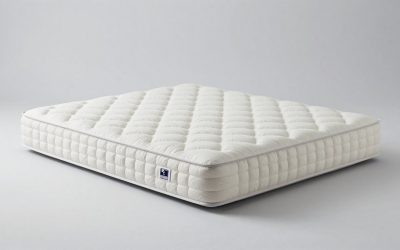
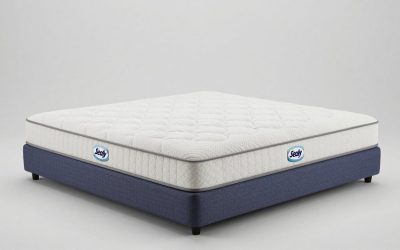
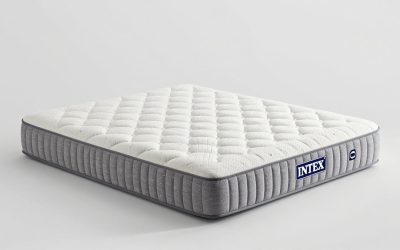
The best medium firm hybrid mattress should balance two competing needs: enough cushioning to reduce pressure at the shoulders and hips, and enough structural support to keep your spine from sagging. Hybrid mattresses attempt that balance by combining foam comfort layers with a spring support system. The result is usually more responsive than an all-foam mattress, while still providing more contouring than a traditional innerspring.
That combination is particularly appealing to back sleepers, combination sleepers, couples, and shoppers who want a compromise between a plush and firm feel. However, “medium firm” is not a standardized setting. A mattress that feels supportive to one person may feel too soft or too rigid to another, depending on body weight, sleeping position, bed frame, and the thickness and density of the comfort layers. Product listings may also emphasize height, cooling, or coil construction without explaining how those elements affect everyday comfort.
This guide focuses on six queen-size hybrid mattresses identified in their product listings as medium firm or intended to provide medium-firm support. The recommendations below use the product information on each listing, stated construction claims, named certifications, trial terms, and practical buying criteria. Because firmness and comfort cannot be confirmed from a product page alone, treat the rankings as a useful starting point rather than a guarantee of how any mattress will feel in your bedroom.
Our top picks


 Nectar 12” Hybrid Mattress
- Just move the box to the room you…
- Introducing our signature combination of fabrics and foams…
- Individually-wrapped innerspring coils deliver enhanced support, superior motion…

As an Amazon Associate we earn from qualifying purchases at no extra cost to you.
Quick Answer: Top Medium Firm Hybrid Mattress Picks
- Best overall starting point: Nectar 12” Hybrid Mattress — A straightforward choice for shoppers seeking a queen-size medium-firm hybrid with a stated one-year trial.
- Best for zoned-support shoppers: BedStory Medium Firm Queen Mattress 14 Inch — Its listing highlights seven-zone support, fiberglass-free construction, and CertiPUR-US certification.
- Best for a taller profile: 16 Inch Queen Size Luxury Hybrid Mattress — A tall hybrid option with stated seven-zone support, a 365-night trial, and a medium-firm designation.
- Best for cooling-oriented features: Novilla 12 Inch Cooling Hybrid Mattress — The listing names gel memory foam, upgraded coils, motion isolation, and pressure relief.
- Best for a conventional 14-inch build: 14 Inch Hybrid Spring Mattress — A medium-firm, fiberglass-free model that lists cooling, pressure relief, and motion isolation.
- Best for shoppers wanting a pillow-top design: 12 Inch Hybrid Queen Mattress with Pillow Top — Its listing combines cooling gel memory foam, pocket springs, pressure relief, motion isolation, edge support, and a pillow top.
How We Researched This Guide
This is a research-based buying guide, not a report of hands-on mattress testing. We compared the product titles and feature claims on each listing, then considered how those claims relate to the concerns that matter most in a medium firm hybrid: support, pressure relief, motion transfer, heat management, edge stability, materials transparency, setup, and return terms.
When a product’s detailed feature information was not listed, we did not fill in the gaps with assumed coil counts, foam densities, cover materials, firmness ratings, warranty lengths, or performance results. Instead, the buying advice explains what shoppers should verify on the current product page before ordering. That distinction matters because mattress listings can change, and a mattress’s advertised height or category does not fully describe its internal construction.
We also treated certifications and trial periods narrowly. A named certification may apply to a particular component rather than the entire mattress, while a trial period may have conditions involving registration, setup, pickup, or return eligibility. Read the current terms before purchase, especially when buying a compressed mattress that must be expanded on a suitable foundation.
How to Choose a Medium Firm Hybrid Mattress
1. Match the Feel to Your Sleeping Position
Medium firm is usually a compromise feel, but the right compromise depends on where you spend most of the night. Back sleepers generally need enough resistance beneath the pelvis and lower back to avoid excessive sagging. A hybrid can provide that resistance through its spring unit while using foam to soften contact at the shoulders and hips.
Side sleepers typically need more surface cushioning because the shoulder and hip create concentrated pressure. A mattress labeled medium firm can still work for side sleeping if its upper comfort layers allow those areas to settle slightly. Strict stomach sleepers often prefer a more supportive surface that limits the hips from sinking too deeply. Combination sleepers may benefit from a responsive hybrid because it is easier to turn than a deeply conforming foam mattress.
Body weight also changes the perceived firmness. A lighter sleeper may experience a mattress as firmer because the comfort layers compress less. A heavier sleeper may sink farther through the same layers and experience it as softer. If two people share the bed, compare the manufacturer’s firmness description with the return policy rather than assuming the label will feel identical to both sleepers.
- Back and combination sleepers: Look for balanced cushioning and a support layer that does not allow the midsection to sink excessively.
- Side sleepers: Check the thickness and type of the upper foam layers, plus the trial policy in case the surface feels too firm at the shoulder.
- Stomach sleepers: Prioritize stable core support and avoid choosing solely by the mattress’s plush top appearance.
- Couples with different positions: Favor a return period long enough for both sleepers to evaluate the mattress, not just the person who selected it.
2. Look Past the Mattress Height
A 12-, 14-, or 16-inch profile tells you the mattress’s overall height, not how much of that height is devoted to springs or comfort foam. Taller mattresses may include thicker cushioning, extra transition material, a taller coil unit, or simply more quilting and upholstery. Height can affect how easy it is to get in and out of bed, but it does not by itself prove that a mattress is more supportive, cooler, or longer-lasting.
Ask the listing to identify the main layers from top to bottom. Useful details include the type of comfort foam, the presence of a transition layer, the spring configuration, and the base layer beneath the coils. If those details are unavailable, avoid making assumptions from the inch measurement alone.
Profile height also has practical consequences. Measure the height of your existing foundation and bed frame before ordering. A tall mattress on a tall platform can make sitting on the edge awkward and may leave less clearance for headboards, sheets, or bedroom furniture. Conversely, a low-profile frame may make a thinner mattress feel easier to access.
- Do not assume a taller mattress automatically offers more lumbar support.
- Check fitted-sheet pocket depth when choosing a 14- or 16-inch model.
- Confirm that the frame or foundation can support a hybrid mattress without excessive flex.
- Look for a layer diagram when available instead of relying on marketing adjectives such as “luxury.”
3. Evaluate the Coil System and Edge Support
The spring unit is one of the main reasons shoppers choose a hybrid. Coils can add lift, make movement easier, and create a more resilient support core than soft foam alone. But “hybrid” does not identify a single construction method. Listings may use pocketed coils, individually wrapped springs, connected coils, or other descriptions, and these designs can differ in responsiveness and motion transfer.
Look for an explanation of whether the coils are individually wrapped and whether the perimeter receives additional reinforcement. Wrapped coils are commonly used to limit movement traveling across the bed, while reinforced edges can make the full sleep surface feel more usable when sitting or lying near the side. Neither phrase guarantees a specific performance level, so treat them as construction clues rather than promises.
Zone terminology also requires care. A seven-zone design may divide the support system into areas with different resistance, but the listing should explain which regions are targeted and how the zones are created. A zoned layout can be useful for shoppers who want more support beneath the center of the body and more give near the shoulders, yet body shape and sleeping position still determine whether the zoning feels helpful.
Check the fine print for the total support-core description, edge construction, and recommended foundation. Avoid choosing a mattress solely because it uses a large number of coils or a phrase such as “upgraded springs.” Without a clear definition, those claims are difficult to compare across brands.
4. Balance Pressure Relief With Spinal Alignment
Pressure relief comes primarily from the upper comfort layers, while the support core helps prevent excessive sinking. A mattress can therefore feel soft at the surface yet remain supportive underneath, or feel firm at first contact but allow the body to sag after settling into the foam. The most suitable medium firm hybrid is one that cushions prominent body areas without letting the torso drop out of alignment.
Memory foam, including gel memory foam, can provide close contouring and may reduce the sensation of pressure at the shoulder and hip. Its trade-off is that deeper contouring can make repositioning more effortful for some sleepers. A more buoyant foam or thinner comfort layer may feel easier to move on but can expose side sleepers to more pressure.
Do not use the phrase “pain relief” as a medical guarantee. A mattress may support neutral positioning and reduce discomfort associated with an unsuitable sleep surface, but persistent or severe pain requires professional medical guidance. Consider whether your current problem is pressure at the joints, sagging through the middle, difficulty turning, or a lack of edge stability; each points to a different construction priority.
A useful at-home evaluation is to lie in your usual position and ask whether your hips sink much lower than your shoulders, whether your lower back feels unsupported, and whether you feel pressure before your body has settled. Give a new mattress reasonable adjustment time, but use the stated trial terms if discomfort persists.
5. Consider Cooling and Breathability Realistically
Hybrids often allow more airflow than dense all-foam mattresses because the spring area contains open space. That does not make every hybrid cool. Thick foam layers, a closely conforming memory-foam surface, warm bedding, bedroom temperature, and individual sleep habits can all affect heat buildup.
Gel memory foam is commonly marketed as a cooling feature, but the presence of gel alone does not establish a specific temperature performance. Look for a complete description of the cover, foam structure, and support core. A breathable cover and a coil unit may help dissipate heat, while a very thick contouring layer may reduce the benefit of airflow below it.
Also consider the foundation. A solid surface may support the mattress correctly, but a compatible slatted base can provide additional ventilation if the manufacturer permits it. Never remove a mattress cover to improve airflow or inspect the inside unless the manufacturer explicitly says it is removable and safe to do so. Removing or altering a cover can affect safety, warranty, and return eligibility.
6. Verify Materials, Fiberglass Claims, and Certifications
Materials transparency is especially important with a bed-in-a-box mattress. Some listings explicitly identify a product as fiberglass-free, while others do not. A fiberglass-free claim can be a meaningful selection factor for shoppers who want to avoid that material, but read exactly what the claim covers and follow the manufacturer’s instructions for handling the mattress.
CertiPUR-US is a foam certification frequently named in mattress listings. Verify whether the certification applies to the foam used in the product and whether the current listing provides enough information to identify the certified component. Certification language is useful, but it does not tell you whether the mattress is soft, firm, durable, or suitable for a particular sleeping position.
Keep the original packaging and documentation until you are certain the mattress will remain in the home. Do not cut into internal layers, remove a non-removable cover, or place the mattress on an unsuitable base while investigating its materials. Those actions can complicate a return and may conflict with the manufacturer’s care instructions.
- Check whether “fiberglass-free” applies to the entire mattress or only a stated component.
- Confirm the certification name and the material it covers.
- Read the fire-safety and cover-care instructions before unboxing.
- Avoid assuming that “non-toxic,” “clean,” or “natural” wording is equivalent to a formal certification.
7. Read the Trial, Warranty, and Return Conditions
A trial period is particularly valuable when buying a medium firm mattress online because firmness cannot be judged reliably from a screen. The products in this guide include listings that state a one-year, 365-night, or other trial period, but the duration is only one part of the policy. Confirm the current terms for the minimum break-in period, return initiation, pickup arrangements, refund eligibility, and any setup requirements.
Some mattress companies require the mattress to be used for a specified number of nights before a return can begin. Others may require proof that it was used on a suitable foundation. A trial may also be limited to the original purchaser or the original delivery address. Review those conditions before opening the box.
Warranties are separate from trials. A warranty may cover manufacturing defects while excluding normal softening, stains, sagging below a stated threshold, or damage caused by an improper foundation. A long warranty does not replace a practical comfort trial. Look for the exact defect definitions, coverage period, transportation responsibility, and exclusions.
8. Plan Delivery, Expansion, and Foundation Support
Most compressed hybrids need to be moved to the bedroom before opening. A queen-size mattress can be difficult to carry through stairs, narrow hallways, or tight corners, especially once it has expanded. Clear the route, inspect the package for damage, and follow the manufacturer’s unboxing and expansion instructions.
Do not judge the mattress immediately after opening. Compressed foam may need time to expand and release its packaging odor. The listing or included instructions should specify when the mattress can be used and whether full expansion requires additional time. If the product page does not provide a clear timeline, contact the manufacturer rather than guessing.
Use a foundation that meets the stated requirements. A rigid platform or compatible slatted base may be suitable, but slat spacing, center support, and weight capacity matter. A flexible or damaged base can change the feel, create uneven support, and potentially affect warranty eligibility. Confirm the requirements before delivery, particularly if you are replacing a traditional box spring.
Detailed product breakdowns
1. BedStory Medium Firm Queen Mattress, 14-Inch Hybrid
The BedStory Medium Firm Queen Mattress is positioned as a taller hybrid option for shoppers who want a medium-firm feel, zoned support, and a fiberglass-free construction. Its product title specifically highlights a seven-zone design, pain-relief positioning, CertiPUR-US certification, and a bed-in-a-box format. Those details make it one of the more clearly specified choices in this group, although the listing published listing information does not identify the coil count, foam-layer arrangement, cover fabric, or trial and warranty terms.
Key specifications: This is a queen-size mattress with a 14-inch profile. It is described as medium firm and uses a hybrid construction. The listed features include seven-zone support, fiberglass-free construction, CertiPUR-US-certified materials, and compressed bed-in-a-box delivery. The product title also markets it for deep sleep and pain relief, but shoppers should treat those as intended-use claims rather than a guarantee of a particular comfort result.
Strengths: The seven-zone description may appeal to sleepers who want support characteristics to vary across the mattress rather than remain uniform from head to toe. A zoned layout can be relevant to combination sleepers who need a balance between cushioning and support, but buyers should verify exactly how the zones are arranged and whether the construction uses zoned coils, zoned foam, or both. The explicit fiberglass-free wording is useful for shoppers who are trying to avoid mattresses that use fiberglass in the fire barrier. CertiPUR-US certification is another concrete point to confirm, particularly whether it applies to all foam layers or only selected components.
The 14-inch height may also provide room for a more substantial comfort system than a thinner mattress, though height alone does not reveal how much support comes from coils or how much cushioning comes from foam. Buyers should check the detailed layer breakdown before assuming that the profile will feel plush or particularly supportive.
Trade-offs: The available data does not state the coil type, coil quantity, edge-support construction, foam density, cooling materials, motion-isolation performance, or maximum recommended weight. It also does not provide a quantified firmness scale. As a result, the “medium firm” label should be treated as a general category, not a standardized feel measurement. The taller profile may require deep-pocket sheets and a suitable foundation, so shoppers should confirm the mattress’s actual dimensions and the manufacturer’s base requirements.
Best for: This option is best suited to shoppers seeking a queen hybrid with a 14-inch profile, a medium-firm designation, seven-zone support, and explicit fiberglass-free and CertiPUR-US claims. It may be especially worth considering for buyers who want to investigate zoned support for back-and-side combination sleeping.
Skip or verify first if: You need a documented coil count, clearly published edge reinforcement, a specified trial period, or detailed cooling information. Dedicated side sleepers should also verify the softness and thickness of the upper comfort layers rather than assuming that the seven-zone design will provide sufficient shoulder cushioning.
Check the BedStory Medium Firm Queen Mattress on Amazon
2. 14-Inch Hybrid Spring Mattress, Medium Firm
This queen mattress is presented as a 14-inch hybrid spring model with a medium-firm feel. Its listing emphasizes cool sleep, pressure relief, fiberglass-free construction, CertiPUR-US certification, motion isolation, and bed-in-a-box delivery. The specified 80-by-60-by-14-inch dimensions provide more detail than a generic queen-size label, which can help shoppers compare the mattress with their foundation and fitted sheets.
Key specifications: The mattress is listed as 14 inches tall and measures 80 inches long by 60 inches wide. It uses a hybrid spring construction and is labeled medium firm. The listed features are cooling, pressure relief, fiberglass-free materials, CertiPUR-US certification, motion isolation, and compressed delivery in a box. The listing does not identify the spring system, the number of foam layers, or whether the coils are individually wrapped.
Strengths: The feature set is aimed at several common hybrid-mattress concerns. A spring-and-foam build may interest shoppers who want a combination of responsive support and cushioning, while the motion-isolation claim is relevant to couples who share a bed. Fiberglass-free labeling gives safety-conscious buyers a specific construction point to investigate, and the CertiPUR-US claim gives shoppers a certification to verify in the full listing.
The stated dimensions are another practical advantage. A standard queen is generally expected to be approximately 60 by 80 inches, and this listing directly provides those measurements. Buyers should still compare them with the usable dimensions of their bed frame, especially if the mattress will sit inside a tight platform or recessed frame.
Trade-offs: The listing does not explain what creates the cooling effect. It could come from the cover, foam formulation, airflow through the spring unit, or a combination of these elements. Without a layer diagram or material description, it is difficult to compare its heat management with other hybrids. Similarly, “motion isolation” is a product feature claim, not a standardized performance rating; couples should look for owner-review patterns describing partner movement and edge activity.
The mattress is also labeled medium firm without a numerical firmness rating. That can be a meaningful limitation for lighter side sleepers, heavier sleepers, and anyone replacing a mattress with a very specific feel. Buyers should verify the return policy, trial length, warranty exclusions, recommended foundation, expansion time, and whether the fiberglass-free claim applies to the complete mattress.
Best for: This model is best for shoppers who want a clearly dimensioned 14-inch queen hybrid and are prioritizing a combination of pressure relief, cooling claims, motion isolation, and fiberglass-free construction. It may suit couples who want to investigate a spring-based mattress with advertised motion control.
Skip or verify first if: You require detailed coil specifications, a confirmed perimeter-support system, a particular foam density, or a precise firmness scale. Hot sleepers should verify the actual cover and comfort-layer materials rather than relying only on the word “cool” in the listing.
Check the 14-Inch Hybrid Spring Mattress on Amazon
3. Novilla 12-Inch Cooling Hybrid Mattress
The Novilla 12-Inch Cooling Hybrid Mattress combines upgraded coils with gel memory foam and is marketed around cooling, support, motion isolation, and pressure relief. Its product title also identifies CertiPUR-US certification and bed-in-a-box delivery. Compared with the taller mattresses in this roundup, its 12-inch profile may appeal to shoppers who want a hybrid construction without choosing one of the highest-profile designs, although the listing does not establish how the mattress feels in practice.
Key specifications: This is a queen-size mattress with a 12-inch height. It is a hybrid mattress using upgraded coils and gel memory foam. The listed features include enhanced support, motion isolation, pressure relief, cooling, CertiPUR-US certification, and compressed delivery in a box. The title does not provide a firmness designation, so shoppers should confirm whether the current listing describes the feel as medium firm and whether that classification applies to the exact model.
Strengths: Gel memory foam is a relevant feature for shoppers who want contouring around the shoulders, hips, and other pressure points. The coil-and-foam combination may also provide a different balance of conformity and responsiveness than an all-foam mattress. The listing’s motion-isolation claim makes this model worth considering for couples, while the “upgraded coils” wording signals that the manufacturer is placing emphasis on the support unit.
CertiPUR-US certification is another concrete item to check in the product documentation. Buyers should confirm which foam components are certified and whether the certification information is current. The 12-inch height can also simplify sheet and foundation compatibility compared with very tall mattresses, but the exact construction remains more important than the overall profile.
Trade-offs: The listing does not specify the type or number of coils, whether the coils are pocketed, how the edges are reinforced, or whether the comfort system contains additional transition foam. “Cooling” can refer to gel in the foam, a breathable cover, or airflow through the coils, and those approaches do not necessarily produce the same result. Warm sleepers should inspect the full materials list and owner-review patterns for heat retention.
The mattress is not explicitly labeled medium firm in the product name. That is an important point for this buying guide because firmness can vary substantially among hybrid designs. Shoppers should verify the manufacturer’s firmness description, the applicable return window, the mattress’s required foundation, and whether the bed expands fully after unboxing.
Best for: This model is best for buyers who want to investigate a 12-inch hybrid with gel memory foam, upgraded coils, advertised motion isolation, and pressure-relief features. It may be a sensible candidate for couples and for sleepers who prefer some memory-foam contouring above a spring support unit.
Skip or verify first if: You are specifically shopping for a confirmed medium-firm feel, strong edge support, a published coil count, or an explicitly fiberglass-free design. Also verify the cooling materials if temperature regulation is a primary reason for choosing this model.
Check the Novilla 12-Inch Cooling Hybrid Mattress on Amazon
4. Nectar 12-Inch Hybrid Mattress
The Nectar 12-Inch Hybrid Mattress is a queen-size model labeled medium firm and paired with a one-year trial. Among the listed product details, the trial term is its clearest differentiator. A full year gives shoppers more time to evaluate whether the mattress remains comfortable after the initial adjustment period, but buyers still need to read the complete trial conditions, including any minimum-use period, return requirements, pickup rules, and exclusions.
Key specifications: This is a 12-inch queen hybrid mattress with a medium-firm designation. The product listing specifically states a one-year trial. The available information does not identify the coil design, foam type, cover materials, cooling features, motion isolation, edge support, fiberglass status, or certification details.
Strengths: The medium-firm label makes the model directly relevant to shoppers who prefer a middle-of-the-range feel rather than a distinctly soft or firm surface. Its 12-inch profile is a relatively versatile size for bedding and foundation planning, although compatibility should still be confirmed with the product instructions. The one-year trial is potentially valuable because mattress comfort is personal and can change as the sleeper adapts to a new support system.
A longer trial can be particularly useful for combination sleepers who need to assess several positions, couples who need to evaluate motion transfer, and buyers who cannot judge a mattress from a brief showroom visit. It does not, however, guarantee that the mattress will suit every sleeper. The trial’s practical value depends on the actual return process and whether the buyer is responsible for moving or packaging the mattress.
Trade-offs: The listing is sparse compared with the feature-rich titles of several other models in this group. It does not confirm whether the construction is fiberglass free, whether the foam is CertiPUR-US certified, or whether the mattress contains gel, breathable fabric, or other cooling elements. There is also no information about zoned support, coil count, edge reinforcement, or maximum supported weight.
Buyers should not infer these specifications simply from the Nectar name or from the fact that the mattress is a hybrid. The detailed listing should be checked for the number and type of layers, the support-core design, the foundation requirements, warranty coverage, and the conditions attached to the one-year trial.
Best for: This mattress is best for shoppers who want a queen hybrid with a stated medium-firm feel and a one-year trial period. It is especially worth considering for buyers who place more importance on having time to evaluate comfort than on selecting a mattress with a heavily specified construction.
Skip or verify first if: You need confirmed fiberglass-free construction, a named certification, a detailed cooling system, or zoned support. Side sleepers and heavier sleepers should also look for comfort-layer thickness and support information before deciding that the medium-firm label fits their needs.
Check the Nectar 12-Inch Hybrid Mattress on Amazon
5. 16-Inch Luxury Hybrid Mattress with 7-Zone Support
This 16-inch queen mattress is the tallest option in the group and is described as a luxury hybrid with seven-zone support. Its title also lists cooling, pressure relief, motion isolation, a medium-firm feel, a 365-night trial, and a design-origin statement referring to the United States. The combination of a tall profile and extended trial may attract shoppers who want substantial cushioning and more time to decide, but the extra height creates additional compatibility questions.
Key specifications: The mattress is queen size and 16 inches tall. It uses a hybrid construction and has seven-zone support. The listed features include cooling, pressure relief, motion isolation, a medium-firm feel, and a 365-night trial. The title says it is designed in the USA, but that statement should not be confused with a claim that all materials or manufacturing are located in the United States. The listing does not identify the coil count, foam materials, certification status, or fiberglass construction.
Strengths: A seven-zone design may be useful for shoppers looking for differentiated support across the sleep surface. The advertised pressure relief and motion isolation address two common hybrid-mattress priorities: cushioning at loaded areas and limiting disturbance when a partner moves. The 365-night trial is also a meaningful practical feature. It allows a longer evaluation period than a brief return window, provided the terms permit a straightforward return and do not impose burdensome conditions.
The 16-inch profile may appeal to buyers who prefer a taller bed or want a more substantial comfort system. However, the height itself does not establish the amount of foam, the softness of the top layers, or the strength of the coil unit. Shoppers should request or locate a layer diagram before using the profile as a proxy for quality.
Trade-offs: The tallest profile may be less convenient for people with shorter bed frames, mobility concerns, or very high platform bases. It can also require deep-pocket sheets and may make it more difficult to sit on the edge if the foundation is already tall. Verify the complete mattress-and-foundation height before ordering.
The listing does not state that the mattress is fiberglass free or CertiPUR-US certified. Those omissions matter to shoppers who are screening materials and emissions claims. Cooling is also presented without a specified method, and motion isolation is not accompanied by details about the coil system or comfort layers. Buyers should verify whether the seven zones are created by coils, foam, or both, and should review the warranty, foundation requirements, expansion instructions, and trial-return process.
Best for: This model is best for shoppers who want a tall, medium-firm hybrid with seven-zone support, advertised pressure relief and motion isolation, and a 365-night trial. It may suit people who prefer a higher sleep surface and want an extended period to evaluate comfort.
Skip or verify first if: You need a low-profile mattress, explicit fiberglass-free labeling, a named foam certification, or confirmed sheet compatibility. Also verify the construction before assuming that 16 inches means more durable support or a softer feel.
Check the 16-Inch Luxury Hybrid Mattress on Amazon
6. 12-Inch Hybrid Queen Mattress with Pillow Top
This queen mattress is a 12-inch medium-firm hybrid with cooling gel memory foam, pocket springs, pressure relief, motion isolation, edge support, and a pillow top. Its feature list is one of the more complete in the group, particularly for shoppers who want to compare comfort, movement control, and perimeter stability. The listing does not include a certification, fiberglass statement, trial period, warranty, or detailed layer breakdown, so those points should be confirmed before purchase.
Key specifications: The mattress is 12 inches tall and uses a hybrid design combining cooling gel memory foam with pocket springs. It is labeled medium firm and includes a pillow top. Listed features include pressure relief, motion isolation, and edge support. It is described as a mattress in a box. The listing does not provide the queen mattress’s exact dimensions, coil count, foam density, cover fabric, or certification details.
Strengths: Pocket springs are a useful specification for shoppers who want individually responsive support across the sleep surface, although the listing should be checked to confirm the precise spring construction. The pillow top and gel memory foam indicate a focus on cushioning and contouring, which may benefit sleepers who dislike the immediately firm feel of a thinner comfort layer. Pressure relief is particularly relevant around the shoulders and hips, though individual results will depend on body weight, sleep position, and the firmness of the underlying support unit.
The stated edge support may also matter to couples, people who sit on the side of the bed, and sleepers who use the full width of the mattress. Motion isolation is another useful feature for shared beds. Buyers should look for owner-review patterns describing partner disturbance, edge compression, and whether the pillow top changes the feel over time.
Trade-offs: A pillow top can add initial cushioning, but the product title does not state whether it is sewn into the cover, removable, or made from a distinct foam or fiber layer. It also does not provide foam density or construction details, so durability and long-term shape retention cannot be inferred from the presence of the pillow top. Gel memory foam may help manage heat for some sleepers, but the listing does not explain the cover material or the amount of gel used.
The mattress is not identified as fiberglass free or CertiPUR-US certified on its listing. Buyers concerned about fire-barrier materials or foam emissions should verify those claims directly. The absence of a stated trial period is another important gap; check the return window, any minimum-use requirement, delivery and pickup arrangements, warranty exclusions, and the recommended foundation.
Best for: This model is best for shoppers seeking a medium-firm 12-inch hybrid with a pillow top, gel memory foam, pocket springs, advertised edge support, and motion isolation. It may appeal to couples and to sleepers who want more surface cushioning without selecting a very tall mattress.
Skip or verify first if: You require a published certification, explicit fiberglass-free construction, a long trial, or detailed information about foam density and coil quantity. Dedicated stomach sleepers should also verify that the pillow top does not allow excessive hip sink, while lighter side sleepers should confirm that the comfort layers provide enough shoulder pressure relief.
Check the 12-Inch Hybrid Queen Mattress with Pillow Top on Amazon
Medium Firm Hybrid Mattress Comparison
All six options are described as medium firm hybrid mattresses, but the available listing information differs considerably. The comparison below uses only the details listed for each product. Where a listing does not identify a construction detail, trial term, or support feature, treat that item as something to confirm on the current listing before ordering.
| Product | Profile | Construction and comfort features listed | Certifications or material claims | Trial information | Best fit based on available information |
|---|---|---|---|---|---|
| BedStory Medium Firm Queen Mattress | 14 inches; Queen | Hybrid; 7-zone pain relief; medium firm; bed-in-a-box | Fiberglass-free; CertiPUR-US certified | Check listing | Shoppers prioritizing zoned support and explicit fiberglass-free and CertiPUR-US claims |
| 14-Inch Hybrid Spring Mattress | 14 inches; Queen; listed dimensions are 80 by 60 by 14 inches | Hybrid spring; medium firm; cooling sleep; pressure relief; motion isolation; bed-in-a-box | Fiberglass-free; CertiPUR-US | Check listing | Couples or combination sleepers looking for a feature-balanced hybrid |
| Novilla 12-Inch Cooling Hybrid Mattress | 12 inches; Queen | Cooling hybrid; upgraded coils; gel memory foam; enhanced support; motion isolation; pressure relief; mattress in a box | CertiPUR-US certified | Check listing | Sleepers who want gel memory foam, motion isolation, and a shorter profile |
| Nectar 12-Inch Hybrid Mattress | 12 inches; Queen | Hybrid; medium firm | Check listing | 1-year trial | Buyers who place a high value on a clearly stated trial period |
| 16-Inch Luxury Hybrid Mattress | 16 inches; Queen | Luxury hybrid; 7-zone support; cooling; pressure relief; motion isolation; medium firm; mattress in a box | Designed in the USA; check listing for additional certifications | 365-night trial | Shoppers seeking the tallest profile, zoned support, and the longest stated trial |
| 12-Inch Hybrid Queen Mattress with Pillow Top | 12 inches; Queen | Hybrid; cooling gel memory foam; pocket springs; pressure relief; motion isolation; edge support; pillow top; medium firm | Check listing | Check listing | Sleepers wanting a pillow top plus pocket springs, edge support, and motion isolation |
Best Pick by Need
Best for zoned support
The BedStory 14-inch Medium Firm Queen Mattress and the 16-inch Luxury Hybrid both identify seven-zone support in their listing information. That makes either one worth considering if you specifically want a mattress marketed with differentiated support zones rather than a completely uniform surface. The BedStory model also identifies itself as fiberglass-free and CertiPUR-US certified. The 16-inch model adds a 365-night trial. Confirm how each zone is arranged, what materials create the zones, and whether the seller provides specific weight or sleeping-position guidance.
Best for a clearly stated trial period
The Nectar 12-inch Hybrid Mattress lists a 1-year trial, while the 16-inch Luxury Hybrid lists a 365-night trial. These are the clearest choices for shoppers who want a stated evaluation period before committing to a mattress. A trial length alone does not explain the return process, pickup requirements, eligibility rules, or whether the trial begins on delivery or after setup. Read those terms before opening the package, especially if the mattress will be difficult to move out of the room.
Best for cooling-related features
Cooling is explicitly included in the descriptions for the 14-inch Hybrid Spring Mattress, the Novilla 12-inch Cooling Hybrid, the 16-inch Luxury Hybrid, and the 12-inch Hybrid with Pillow Top. Novilla specifically identifies gel memory foam, while the sixth mattress identifies cooling gel memory foam and pocket springs. These details indicate the intended comfort design, but they do not establish how cool any mattress will feel for an individual sleeper. Check the cover fabric, foam construction, bedding recommendations, and care instructions if temperature is a major concern.
Best for couples concerned about movement
Motion isolation is listed for the 14-inch Hybrid Spring Mattress, Novilla’s 12-inch Cooling Hybrid, the 16-inch Luxury Hybrid, and the 12-inch Hybrid with Pillow Top. These are the most directly relevant options for couples who want the product description to address movement between sides of the bed. Because no measured motion-transfer data is available here, look for owner-review patterns that discuss partner disturbance, edge-to-edge movement, and whether the mattress feels responsive or slow to change positions.
Best for pressure-relief features
Pressure relief is listed for the 14-inch Hybrid Spring Mattress, Novilla’s 12-inch Cooling Hybrid, the 16-inch Luxury Hybrid, and the 12-inch Hybrid with Pillow Top. The BedStory model uses “7-zone pain relief” in its title, while the other models use pressure-relief language. These descriptions do not guarantee suitability for a particular body type or medical condition. Side sleepers should pay close attention to shoulder and hip comfort, while back and stomach sleepers should check whether their midsection feels adequately supported.
Best for a pillow-top feel
The 12-inch Hybrid Queen Mattress with Pillow Top is the only product in this group that explicitly identifies a pillow top. It may suit shoppers who prefer a visibly cushioned upper surface while still wanting pocket springs, edge support, cooling gel memory foam, pressure relief, and motion isolation. Confirm whether the pillow top is sewn into the cover or forms a removable layer, and check the listing for guidance on rotating the mattress and maintaining an even sleep surface.
Setup and Care Tips
Prepare the foundation first
Measure the bed frame before delivery, including its interior width, length, and available clearance. Confirm that the foundation is compatible with the selected hybrid mattress and that any slat-spacing requirement is met. A mattress can feel different on an unsuitable or flexible base, and an incompatible foundation may affect warranty eligibility. If the listing does not provide foundation requirements, contact the seller before placing the order.
Plan the unboxing route
Queen mattresses are bulky even when compressed. Clear the path from the delivery area to the bedroom, remove obstacles, and decide where the mattress will be opened. Because several products are described as mattresses in a box, inspect the exterior packaging for visible damage before opening it. Keep the order information, packaging instructions, and product labels until the mattress has fully expanded and you are satisfied that the correct size was delivered.
Follow the expansion instructions
Use the manufacturer’s stated expansion time rather than assuming that the mattress is ready immediately. Do not cut deeply into the plastic, because a blade can damage the cover or foam. Allow ventilation during setup if the manufacturer recommends it, and avoid placing heavy bedding or furniture on the mattress while it is still expanding. If the mattress remains visibly uneven after the stated setup period, photograph the issue and contact the seller.
Protect the cover and internal layers
Use a properly fitted protector if the manufacturer permits one. Clean spills promptly according to the care instructions, and avoid removing the mattress cover unless the listing specifically says that it is removable and washable. This is especially important when a product makes a fiberglass-free claim: do not assume that removing a cover is safe simply because the product description uses that phrase. Follow the manufacturer’s warnings and never open an internal mattress layer.
Rotate only when instructed
Some mattresses are designed to be rotated, while others may have zoned or layered construction that makes orientation important. Do not flip a hybrid unless the manufacturer explicitly says it is two-sided. Before rotating, check the listing or included instructions for the correct method. A queen mattress is heavy, so use two adults and avoid dragging it across a frame or floor.
Give your body time to adjust
A new medium firm mattress can feel noticeably different from the previous bed. Keep the first nights focused on comfort and alignment rather than judging the product after only a few minutes in a showroom-like setting. If discomfort persists, document where it occurs and review the trial terms. Do not remove tags, discard paperwork, or miss a return deadline while deciding whether the mattress is suitable.
Frequently Asked Questions
What does medium firm mean on a hybrid mattress?
Medium firm is a firmness description, not a standardized measurement shared by every brand. The actual feel depends on the foam layers, coil system, comfort padding, cover, body weight, and sleeping position. Use the label as a starting point, then compare the listed materials and owner-review patterns. If you need a precise firmness scale or a specific feel, check whether the manufacturer provides one.
Which mattress is best for a side sleeper?
No product here is identified specifically for side sleepers. Models that list pressure relief may be worth comparing, including the 14-inch Hybrid Spring Mattress, Novilla’s 12-inch Cooling Hybrid, the 16-inch Luxury Hybrid, and the 12-inch Hybrid with Pillow Top. Side sleepers should confirm that the comfort layer allows enough shoulder and hip cushioning without letting the waist sink too far.
Which option is best for back sleepers?
All six products are described as medium firm hybrids, so each is potentially relevant to a back sleeper seeking a balance of foam comfort and spring support. The BedStory and 16-inch Luxury Hybrid specifically list seven-zone support, while several others list enhanced support or pressure relief. Since no firmness measurements or support diagrams are provided, check owner reviews for reports about lumbar comfort, sagging, and alignment.
Are these mattresses fiberglass-free?
The BedStory 14-inch mattress and the 14-inch Hybrid Spring Mattress explicitly identify themselves as fiberglass-free. The listings do not make that claim for the other four products. For any model where this matters, read the current listing, product label, and manufacturer documentation. Do not infer fiberglass-free construction from a CertiPUR-US claim, a hybrid design, or a trial period.
Which mattresses have CertiPUR-US information?
CertiPUR-US is listed for the BedStory 14-inch mattress, the 14-inch Hybrid Spring Mattress, and the Novilla 12-inch Cooling Hybrid. The listings do not identify this certification for Nectar, the 16-inch Luxury Hybrid, or the 12-inch Hybrid with Pillow Top. Check the current product page for the exact certification scope, since foam certification is not necessarily a certification of every component in a finished mattress.
Do all of these mattresses have pocketed coils?
The Novilla listing identifies upgraded coils, and the 12-inch Hybrid with Pillow Top specifically identifies pocket springs. The other product descriptions establish that they are hybrids or hybrid spring mattresses but do not provide enough information here to confirm a pocketed-coil design. If individually wrapped coils are important for movement control or support, verify that detail before buying.
How long is the trial period for each mattress?
The Nectar listing states a 1-year trial, and the 16-inch Luxury Hybrid states a 365-night trial. The listings do not provide trial lengths for the BedStory, 14-inch Hybrid Spring, Novilla, or 12-inch Hybrid with Pillow Top mattresses. Review the current terms for return eligibility, setup requirements, pickup arrangements, and whether the trial applies to purchases made through the listed seller.
Can I use a regular box spring with a hybrid mattress?
Do not assume that a traditional box spring is compatible. Check the mattress listing for the required foundation type, slat spacing, center support, and maximum unsupported span. A rigid platform or approved foundation may be required, but the correct choice varies by product. Using the wrong base can change the feel and may create warranty problems.
Final Verdict
The best choice depends on which detail matters most to you. The BedStory 14-inch Medium Firm Queen Mattress stands out in its listing for its seven-zone design, fiberglass-free claim, and CertiPUR-US certification. The 16-inch Luxury Hybrid is the clearest choice for shoppers who want the tallest profile, seven-zone support, cooling and motion-isolation claims, and a stated 365-night trial. The Nectar 12-inch Hybrid is appealing when a clearly stated 1-year trial is the deciding factor.
Choose the Novilla 12-inch Cooling Hybrid if gel memory foam, upgraded coils, pressure relief, and motion isolation are the features you want to investigate. The 14-inch Hybrid Spring Mattress offers a broad combination of cooling, pressure relief, motion isolation, fiberglass-free construction, and CertiPUR-US information. The 12-inch Hybrid with Pillow Top is the most targeted option for shoppers who want a pillow top together with pocket springs and listed edge support.
Before ordering, confirm the current firmness description, foundation requirements, expansion instructions, return conditions, warranty exclusions, and any material claims that are important to your household. The product titles provide useful starting points, but those checks are what turn a promising medium firm hybrid into a suitable purchase for your bedroom.