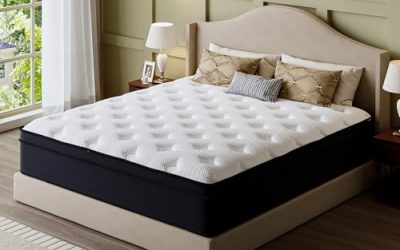
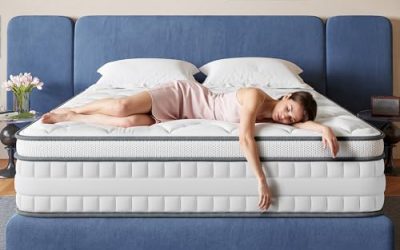
Most people don’t shop for a mattress topper because they’re curious — they shop because they’ve stopped sleeping well. The mattress that felt perfect three years ago now has a shallow trough where your hips land, or it’s gone stiff enough that you wake with a tight lower back and a shoulder that took the night off. Replacing a mattress costs a small fortune and arrives with a two-week adjustment period. A topper is the cheaper, faster intervention, and medium-firm is the range most sleepers land in for a reason: it’s firm enough to hold the spine in a neutral line, soft enough to let the shoulder and hip sink to the depth they actually want.
The catch is that “medium-firm” isn’t a regulated measurement. Two toppers with identical labels can feel a full grade apart depending on foam density, thickness, and whether the cover adds any surface give. This guide sorts through the medium-firm toppers worth buying in 2026, explains which sleeping positions and body types each one suits, and covers the specification details — foam density, cooling construction, cover washability, edge anchoring — that determine whether a topper still feels good in month eighteen.
Our top picks
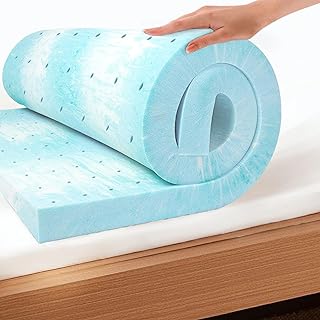
 Tempur-Cloud 2-Inch Mattress Topper
- 2" MEDIUM MATRESS TOPPER: Instantly improves the comfort…
- Signature TEMPUR material adapts to your unique shape,…
- Designed to reduce motion transfer so you can…


As an Amazon Associate we earn from qualifying purchases at no extra cost to you.
🛒 Best Price Today on Amazon
Prime members get fast, free shipping on everything above, plus member-only deals. New members get a 30-day free trial — cancel anytime.
How to Choose a Medium-Firm Mattress Topper (2026)
- Match thickness to what you’re fixing: A 2-inch topper refines the feel of a mattress that’s fundamentally sound. A 3-inch topper is what you want if the surface has developed genuine body impressions or feels punishingly hard — anything thinner will simply telegraph the problem underneath.
- Weigh foam density over marketing labels: Denser memory foam (roughly 3.5 lb/ft³ and up) holds its support profile far longer than low-density foam, which softens unevenly within a year. If density isn’t published, treat generous warranty terms and CertiPUR-US certification as reasonable proxies.
- Take heat retention seriously: Memory foam warms up as it conforms. Gel infusions, ventilated channels, open-cell structures, and spring-based designs all move air differently, and hot sleepers should prioritise construction that’s engineered for airflow rather than a cover that merely feels cool to the touch.
- Check how it stays put: Toppers migrate. Sheet clips, elasticated skirts, and grippy non-slip undersides are the difference between a stable sleep surface and a nightly wrestling match, particularly on a smooth quilted mattress.
- Insist on a removable, washable cover: Foam itself can’t be laundered. A zip-off cover you can machine wash protects your investment and matters enormously if allergies, night sweats, or children are part of the picture.
The Best Medium-Firm Mattress Toppers of 2026, Reviewed
Tempur-Cloud 2-Inch Topper
Tempur’s proprietary foam responds to body heat with a slower, more deliberate contour than budget memory foam, giving pressure relief that feels supportive rather than sinking. At 2 inches it’s a refinement layer, not a rescue mission — ideal for a firm mattress you want to soften a shade without losing the underlying structure.
PERLECARE 3-Inch Topper with Sheet Clips
This is the most straightforward pick for back-pain sufferers: three inches of medium-firm foam that keeps the lumbar curve properly filled while letting hips settle. The integrated sheet clips address the single most common complaint about foam toppers, and dual CertiPUR-US and Oeko-Tex certification covers both foam emissions and textile safety.
PERLECARE Bamboo Cover Dual-Layer Gel Topper
The two-layer build is the interesting part — a gel-infused comfort layer over a firmer support base, which delivers cushioning at the surface without the whole-body sink of single-density foam. The bamboo-blend cover wicks moisture well, making this the version I’d recommend to anyone who sleeps warm but still wants a genuine memory foam feel.
PERLECARE Cooling Gel Memory Foam Topper
Functionally the cooling-focused sibling in the range, with gel dispersed through the foam to blunt overnight heat build-up and a non-slip base that holds position on slick mattress ticking. A sensible default for side and back sleepers who found previous foam toppers a touch too warm.
Dormeo Premium Octaspring Topper
Rather than solid foam, this uses individual foam springs arranged in three support zones, so shoulders compress more readily than hips and air moves freely between the coils. It’s the standout choice for hot sleepers and anyone who dislikes the enveloped, slow-recovery sensation of conventional memory foam.
EGO 3-Inch Ventilated Gel Topper
A well-priced 3-inch option combining gel infusion with punched ventilation channels, which is a more effective cooling strategy than either measure alone. Expect a slightly softer take on medium-firm — worth noting if you’re a stomach sleeper who needs the firmer end of the band.
Medium-firm is the most forgiving firmness band, which is also why it is the easiest to buy badly. Two toppers can share the same label and feel a full grade apart once foam density, thickness, and cover construction enter the picture. The picks above cover the mainstream memory foam options well, and the sections below fill the gaps that decide whether a topper still feels right a year from now: a side-by-side comparison of every pick in this guide, a sizing checklist, four more toppers that widen the range, setup and care guidance, the sleepers who should look elsewhere, the mistakes that waste money, and the questions buyers ask most.
How the Top Picks Compare
Firmness labels come from the makers, not from a regulated scale, so use this table to compare construction rather than labels. Thickness, density, and cooling design decide how a topper feels after the first month, and the cover and anchoring decide whether it stays put.
| Topper | Type | Thickness | Firmness | Cooling approach | Cover and anchoring |
|---|---|---|---|---|---|
| Tempur-Cloud | TEMPUR memory foam | 2 in | Medium-firm | Heat-responsive foam, no gel | Removable washable cover |
| PERLECARE with Sheet Clips | Gel memory foam, dual-layer | 3 in | Medium-firm | Gel infusion | Bamboo cover, sheet clips |
| PERLECARE Dual-Layer Gel | Gel memory foam, dual-layer | 3 in | Medium-firm | Gel infusion, bamboo cover | Washable bamboo cover |
| PERLECARE Cooling Gel | Gel memory foam | 3 in | Medium-firm | Gel infusion | Non-slip base |
| Dormeo Octaspring | Foam springs, 3-zone | 3 in | Medium | Airflow between springs | Anti-slip bottom |
| EGO Ventilated Gel | Gel memory foam, ventilated | 3 in | Medium | Gel infusion, ventilation holes | No cover listed |
| ViscoSoft Select High Density | Gel memory foam, high density | 3 in | Medium-firm | Gel infusion, ventilation channels | Removable rayon cover |
| Saatva Graphite | Graphite memory foam | 3 in | Medium | Graphite infusion, cotton cover | Quilted organic cotton cover |
| Sleep On Latex Pure Green | Natural latex | 2 in | Medium | Open latex structure | GOTS cotton jersey cover |
| Zinus Green Tea | Green tea memory foam, dual-layer | 3 in | Medium-firm | Green tea and charcoal infusion | No cover included |


Read the table from the problem, not from the brand. A sleeper whose mattress feels like a board needs 3 inches of foam; a sleeper whose mattress is only slightly too firm needs 2 inches. A hot sleeper should weigh cooling design more than firmness, since plain foam warms as it conforms. And a buyer who washes bedding often should treat a removable cover as a must, not a bonus.
Sizing and Compatibility Checklist
- Measure the mattress first. Twin, Twin XL, Full, Queen, King, and Cal King are only names; check the exact dimensions on the listing, not just the size name, and remember that short and RV sizes exist under separate listings.
- Add the topper height to the mattress height, then check fitted sheet pocket depth. A 3-inch topper on a 12-inch mattress needs a deep-pocket sheet, and a mattress protector adds height too.
- Check adjustable bases before ordering. Foam toppers bend with the base, latex bends less readily at 2 inches, and foam-spring designs flex well; confirm that the maker lists adjustable-base use.
- Couples and split beds have a choice. A single King topper bridges the middle gap on two Twin XLs, while two Twin XL toppers let each sleeper pick a firmness.
- Plan for weight and handling. A latex Queen weighs over 30 pounds, so two people should lift and position it.
- Read the trial and return terms before the box is opened. Some foam toppers cannot be returned once opened, so the trial length matters more than the headline firmness label.
- Check materials against allergies and safety labels. A latex allergy rules out natural latex entirely, and CertiPUR-US and OEKO-TEX labels cover foam emissions and textile safety.
More Picks Worth Considering
ViscoSoft Select High Density 3-Inch Memory Foam Topper

The ViscoSoft Select High Density is the pick for buyers who want the longest-lived foam in this guide. Its gel-infused memory foam is listed at over 3 pounds per cubic foot, a density band that holds its support profile far longer than the light foam used in budget toppers, and the 3-inch depth gives shoulders and hips room to settle without bottoming out on a firm mattress. A removable rayon cover zips off for washing, and ventilation channels cut through the foam to move air. It suits back sleepers and heavier side sleepers who need pushback under the hips, and it suits anyone whose last topper went soft within a year. It does not suit hot sleepers who need maximum airflow, since gel infusion blunts heat rather than removing it, and it does not suit sleepers who dislike the slow, enveloping feel of dense memory foam.
Saatva Graphite Memory Foam Topper
The Saatva Graphite is the premium foam pick, and its case rests on two details the budget options lack: graphite infused through the whole foam core, which draws heat away rather than simply absorbing it, and a foam density of about 4.0 pounds per cubic foot, which sits between budget foam and TEMPUR material. The quilted organic cotton cover breathes better than the polyester knits on many foam toppers, and the 3-inch depth gives real shoulder and hip cushioning on a firm bed. Saatva also backs it with a 180-night home trial, the longest foam trial here. It suits warm side and back sleepers who want foam with a cooler sleep surface. It does not suit shoppers on a tight budget, since it costs more than the mainstream foam toppers, and it does not suit sleepers who want latex-level airflow, since it is still memory foam at heart.
Sleep On Latex Pure Green Natural Latex Topper
The Pure Green is the only latex pick, and it changes the feel in a way foam cannot copy. Natural latex pushes back when weight lands on it, so sleepers get support without the slow sink of memory foam, and air moves through the open latex structure more freely than through dense foam. The medium firmness adds support without changing the firmness of the mattress underneath, and the 2-inch depth suits sleepers who want a firmer, more responsive surface rather than a cradle. A GOTS-certified cotton jersey cover comes with this version, and the latex carries GOLS certification. It suits hot sleepers, back sleepers, and anyone who wants a natural material. It does not suit sleepers who love the deep contour of memory foam, since latex stays buoyant, and it does not suit anyone who struggles to lift a heavy topper, since a Queen weighs over 30 pounds.
Zinus Green Tea Memory Foam Topper
The Zinus Green Tea is the value pick for sleepers who want a dual-layer build on a modest budget. A green tea and charcoal infused memory foam comfort layer sits over a high-density base foam, so it cushions hips and shoulders while the base keeps the sleeper from sinking through. The infusion also helps with odor control and moisture absorption, and CertiPUR-US certification covers foam emissions. At 3 inches it changes the feel of a firm bed without the deep, enveloping sink of a single-density memory foam slab. It suits back sleepers and combination sleepers who want pressure relief with a firmer base underneath, and it suits guest rooms and first toppers, where value matters most. It does not suit sleepers who want a washable cover included, since this version ships without one, and it does not suit hot sleepers who need the airflow of latex or foam springs.
Setup and Care
Unbox the topper in the room where the bed sits, let it expand flat for 48 to 72 hours before judging the feel, and air it in a ventilated room for a day or two so the new-foam smell fades. Make the bed with the cover on and a washable mattress protector over the topper, not under it, so spills never reach the foam. Wash a removable cover on a gentle cycle and dry it on low heat or line dry; never machine wash the foam itself, and never soak it. Rotate the topper head to foot every few months so body impressions spread evenly, and check the anchoring, clips, straps, or non-slip base, each time the bedding is changed. Keep the topper dry: blot spills at once, air the bed daily by folding the covers back for a while, and store a spare topper flat or loosely rolled, never folded tight for months.
Who Should Skip a Medium-Firm Topper
Stomach sleepers who need the firmer end of the band should look elsewhere, since medium-firm lets the hips sink enough to bow the lower back. Light side sleepers under about 130 pounds may not sink far enough into a dense medium-firm foam to relieve shoulder pressure; a softer topper or a thinner layer suits them better. Anyone whose mattress has a visible dip or exposed coils should skip a topper altogether, since a topper masks mild softening but cannot rebuild collapsed support. Sleepers with a latex allergy should avoid natural latex toppers entirely. Buyers who need a washable sleeping surface for young children should know that foam cannot be laundered, so a waterproof protector is mandatory, and a topper alone is the wrong fix. Renters and dorm sleepers who move often should also think twice: a 3-inch foam slab is bulky to carry, and a latex topper is heavier still.
Common Mistakes Buyers Make
Judging the topper on the first night is the most common error, since foam needs time to expand fully and the body needs two to three weeks to adjust. Picking thickness by feel alone is the next: 2 inches refines a sound mattress, 3 inches rescues a hard one, and a thin topper on a sagging mattress only telegraphs the dip. Ignoring foam density is another: low-density foam softens unevenly within a year, while foam over 3 pounds per cubic foot holds its profile. Buying plush when the problem is back pain works against the buyer, since a soft topper lets the hips sink out of line. Forgetting sheet depth costs a second order, since a deep-pocket fitted sheet is part of the purchase, not an afterthought. Skipping the trial and return terms is the costliest mistake, since some foam toppers cannot be returned once opened. And placing the topper under a mattress protector that traps heat cancels the cooling design the buyer paid for.
Buyer Questions
How long should a medium-firm topper last? A dense foam topper holds its support for several years when rotated and kept dry; low-density foam can soften unevenly within a year. Latex generally outlasts foam, and foam springs hold their shape well because air moves freely between the coils.
Can a topper make a soft mattress firmer? A medium-firm topper adds a firmer comfort layer, but it cannot fix a mattress whose support core has collapsed. If the mattress sags visibly with the bedding off, the mattress needs replacing, not a topper.
Do I need a new fitted sheet? Usually yes for a 3-inch topper: add the topper height to the mattress height and check the pocket depth on the sheet listing. A mattress protector also adds height, so measure with everything in place.
Will a medium-firm topper sleep hot? Memory foam warms as it conforms, so hot sleepers should favor ventilated, gel-infused, graphite-infused, latex, or foam-spring designs over plain foam, and pair the topper with breathable cotton bedding.
Frequently Asked Questions
How long does a medium-firm topper take to feel right?
Allow 48 to 72 hours for the foam to fully decompress, then two to three weeks for your body to recalibrate. Judging a topper on the first night is the most common mistake buyers make.
Will a topper fix a sagging mattress?
It will mask mild surface softening, but it can’t rebuild collapsed support. If you can see a visible dip with the bedding stripped off, or you feel coils, the mattress itself needs replacing.
Is medium-firm right for side sleepers?
Usually yes, provided you choose 3 inches. Side sleepers need enough depth for the shoulder and hip to descend; a thin medium-firm layer can leave those joints under pressure.
Does the new-foam smell matter?
The off-gassing odour is normal and harmless with certified foam. Unwrap the topper in a ventilated room and give it 24 to 48 hours before making up the bed.
Final Thoughts
For most sleepers wanting reliable spinal support at a fair price, the PERLECARE 3-Inch Topper with Sheet Clips is the sensible starting point. Hot sleepers should go straight to the Dormeo Octaspring for its genuinely ventilated spring structure, while anyone whose mattress is already close to right will get more from the Tempur-Cloud 2-Inch as a precise, high-quality finishing layer.