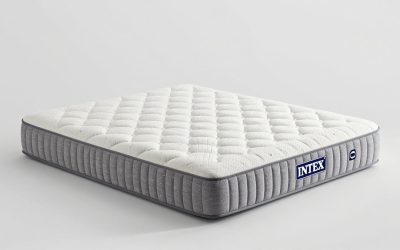
Side sleeping is the position most adults default to, yet it asks the most from a mattress. Lying laterally concentrates body weight onto two narrow contact points — the shoulder and the hip — while the waist and knees float above the surface. A bed that resists those pressure points sends you into the familiar 3 a.m. shoulder roll; one that collapses under them lets the pelvis sink and the lumbar spine bow. The window between too firm and too forgiving is genuinely narrow, and it is why so many side sleepers cycle through mattresses without ever solving the problem.
Shoppers searching for a Simmons mattress are almost always looking at Beautyrest, the company’s flagship line and the home of its pocketed coil technology. This guide evaluates the Beautyrest models best matched to lateral sleeping, alongside a few strong hybrid alternatives worth cross-shopping at lower price tiers. Each pick is assessed on comfort-layer depth, coil responsiveness, pressure distribution at the shoulder and hip, heat management, and the length of the sleep trial you get to test it all.
Our top picks




As an Amazon Associate we earn from qualifying purchases at no extra cost to you.
🛒 Best Price Today on Amazon
Prime members get fast, free shipping on everything above, plus member-only deals. New members get a 30-day free trial — cancel anytime.
How to Choose a Simmons Mattress For Side Sleepers (2026)
- Comfort layer depth: Side sleepers need roughly three to four inches of conforming material above the coil unit so the shoulder can descend without bottoming out. Profiles in the 14- to 15-inch range typically deliver this; anything under 10 inches rarely does.
- Firmness target: Aim for medium-soft to medium — a 4 to 6 on the standard ten-point scale. Lighter frames under roughly 130 pounds should skew plush, while heavier sleepers often need a medium-firm build to keep the hips from dropping out of alignment.
- Individually wrapped coils: Pocketed springs flex independently, which lets the shoulder zone yield while the midsection stays supported. Zoned or reinforced center-third designs are especially valuable if you shift between side and back positions overnight.
- Temperature regulation: Deep comfort layers trap more heat by design. Gel-infused foams, breathable fiber covers, and the natural airflow of a coil core offset that, which is why hybrids generally outperform all-foam beds for warm side sleepers.
- Trial window and warranty: Your body needs two to four weeks to adapt to a new surface, so treat a 100-night trial as the minimum. Extended 365-night trials and 10-year warranties reduce the risk of an expensive mismatch.
The Best Simmons Mattresses for Side Sleepers (2026), Reviewed
Beautyrest World Class Level Four Plush 15.25″
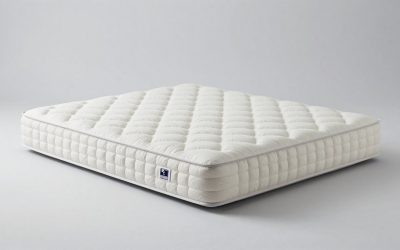
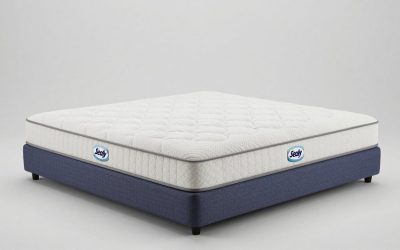
This is the most side-sleeper-appropriate build in the lineup: a generous plush comfort stack over Beautyrest’s pocketed coil system, which cradles the shoulder while holding the lumbar curve steady. The 15.25-inch profile gives the shoulder somewhere to go, and the 100-night trial and 10-year warranty make it a low-risk premium purchase.
Beautyrest World Class Level Three Medium Firm 14.5″
The medium-firm tuning suits combination sleepers who spend part of the night on their back, and it’s the smarter choice for larger frames that would sink too deeply into a plush build. Expect firmer initial pressure at the shoulder, with the trade-off being noticeably better hip alignment and longer-term structural support.
Serta Perfect Sleeper Ultimate Firm Pillow Top 14.5″
A useful hybrid of surfaces: the quilted pillow top cushions contact points while the firmer core underneath resists sagging, and the reinforced perimeter makes sitting or sleeping near the edge far more secure. Worth considering if you share the bed and use the full width of it.
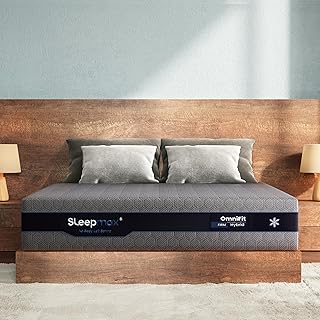
Sleepmax 14″ Hybrid Queen
A well-judged value hybrid, pairing pressure-relieving foam with a pocketed coil base and cooling treatment at a fraction of premium pricing. The 365-night trial is unusually generous, which matters when you’re buying a bed you can’t test in a showroom.
12″ Plush Hybrid for Side Sleepers (Full)
Purpose-built for lateral sleeping, this gel memory foam and pocketed spring combination is soft enough to let the shoulder settle in without excessive heat retention. The 12-inch profile is best suited to lighter sleepers and guest rooms rather than heavier adults needing deeper contouring.
Frequently Asked Questions
Is Simmons the same brand as Beautyrest?
Yes. Simmons is the parent company, and Beautyrest is its principal mattress line. When retailers list a “Simmons mattress,” they are almost always referring to a Beautyrest model, so shop by the Beautyrest series and comfort level rather than the parent name.
What firmness is best for side sleepers?
Most side sleepers do best between medium-soft and medium. The practical test: lie on your side and have someone check whether your spine runs level from neck to tailbone. A visible dip at the hips means too soft; a gap under the waist means too firm.
Hybrid or all-foam for side sleeping?
Both can work, but hybrids have the edge. Pocketed coils provide targeted pushback under the hips while the foam layers handle shoulder pressure, and the open coil chamber sheds heat more effectively than a solid foam core.
How long until shoulder and hip pain improve?
Allow two to four weeks. Your soft tissue adapts to a new support profile gradually, and mild stiffness in the first fortnight is common. If pressure pain is worsening rather than easing by week four, the firmness is likely wrong for your body type — use the trial period.
Final Thoughts
For most side sleepers, the Beautyrest World Class Level Four Plush is the standout: it offers the comfort-layer depth and coil responsiveness that lateral sleeping demands, backed by a proper warranty. Heavier sleepers and back-side combination sleepers will be better served by the Level Three Medium Firm, while the Sleepmax 14″ Hybrid delivers most of the pressure-relief formula — plus a full-year trial — for buyers working to a tighter budget.