Side sleeping is the most popular position in the world and, mechanically, the most demanding one for a mattress. Roughly a third of your body weight funnels through two narrow contact points — the point of the shoulder and the greater trochanter of the hip — while the waist and the gap under the ribs are asking for the opposite thing: gentle fill, not pressure. Get that balance wrong and the symptoms are predictable. A surface that’s too firm leaves you rolling every ninety minutes with a dead arm and a hot hip. A surface that’s too plush lets the pelvis drop below the shoulders, and you wake with a low back that feels like it worked a night shift.
Warehouse-club shopping makes that balance hard to judge. Three minutes on a showroom floor, fully dressed, under bright light, tells you almost nothing about how a bed behaves at 3 a.m. in hour six of a side-lying stretch — and club stock rotates by region, so the model you tested may be gone next month. Below I’ve assessed boxed mattresses that compete directly in that same value tier and ship to your door, scored on the criteria that actually govern side-sleep comfort: comfort-layer depth, shoulder yield, zoned lumbar fill, heat behaviour, and how long you get to test them at home.
Our top picks


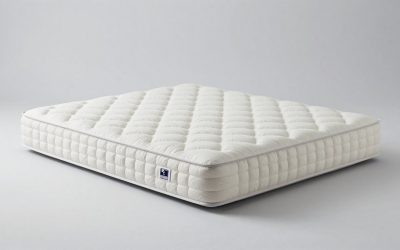
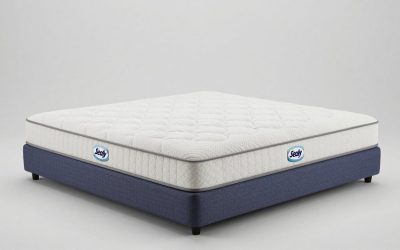
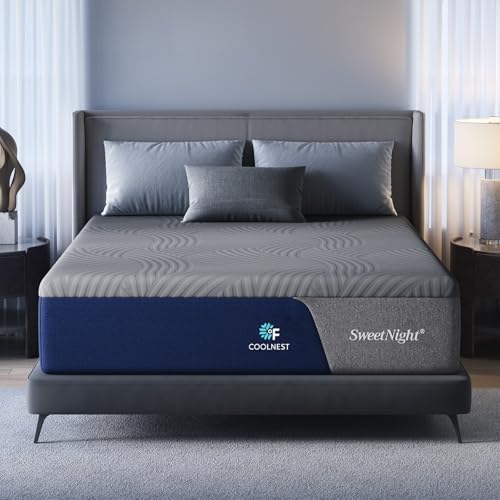 Sweetnight CoolNest 14 Inch King Size Mattress
- CoolNest System for a Cooler Night - The…
- 5-Zone Support for Pressure Relief - Engineered with…
- Motion Isolation for Undisturbed Sleep - Constructed with…

As an Amazon Associate we earn from qualifying purchases at no extra cost to you.
🛒 Best Price Today on Amazon
Prime members get fast, free shipping on everything above, plus member-only deals. New members get a 30-day free trial — cancel anytime.
How to Choose a Costco Mattress for Side Sleepers (2026)
- Comfort-layer depth: You need at least 3 inches of conforming material above the support core so the shoulder can descend instead of deflecting. Total height matters less than what sits in the top third — a 14-inch build with a thin comfort cap will still bruise a shoulder.
- Firmness window: Most side sleepers land between 4.5 and 6.5 on the ten-point scale. Under 130 lb, bias soft; over 230 lb, bias firm, since heavier frames compress any given layer further and need more structure underneath.
- Zoning: Five-zone or targeted-support constructions soften under the shoulder and stiffen under the pelvis. That differential is what keeps your spine level side-to-side, and it’s worth more to a side sleeper than any single-firmness rating.
- Thermal regulation: Deep hip sink means more of your body is surrounded by foam, which traps heat. Look for gel infusion, open-cell or copper-treated foam, or a coil layer that lets air move laterally.
- Trial length and break-in: Foam needs two to four weeks to settle and your body needs about the same to adapt. Anything under a 100-night trial is too short to judge honestly; a full year is a genuine advantage.
The Best Costco Mattresses for Side Sleepers (2026), Reviewed
Sleepmax 14″ Hybrid, Queen
The strongest all-round side-sleep pick here: a generous pressure-relieving comfort stack over pocketed coils, so the shoulder gets real travel while the hip stays supported rather than swallowed. The 365-night trial is the practical hero — it covers a full seasonal cycle, so you learn how the bed sleeps in August as well as January.
Sleepmax 14″ Hybrid, King
Same architecture scaled up, and the coil unit earns its keep at this width by limiting the roll-together that pushes couples toward the mattress centre. Individually wrapped springs also mean a partner’s turnover doesn’t telegraph across the bed — useful when you already change position several times a night.
Nectar 12″ Memory Foam, King
A medium-firm, slow-response foam that cradles the shoulder gradually rather than bouncing back against it, which suits side sleepers who like a hugged, contoured feel. Its 12-inch profile is slightly lower than the hybrids here, so lighter sleepers may find it the more forgiving of the memory-foam options.
Sweetnight CoolNest 14″
The five-zone ergonomic layout is the differentiator: measurably softer under the shoulders, reinforced through the lumbar and hip band. If your complaint is specifically that one shoulder aches on waking, this is the construction I’d test first.
Novilla Bliss 14″ Gel Memory Foam, King
Gel-infused foam with targeted zoning aimed at back-pain sufferers, offering deeper contouring than the hybrids at a gentler price point. Best suited to lighter and mid-weight side sleepers, who won’t compress through to the base layer.
Frequently Asked Questions
Are hybrids or all-foam beds better for side sleepers?
Hybrids generally win for sleepers over about 200 lb, combination sleepers, and anyone who sleeps hot, because coils supply structure and airflow the foam can’t. All-foam suits lighter sleepers who want deeper cradling and near-silent motion transfer.
What firmness should I actually buy?
Medium to medium-firm for most people. Run the two-finger test after two weeks: lie on your side and slide a hand into the curve of your waist. If it slips through easily, the bed is too firm; if you can’t get it in at all, it’s too soft.
Does a 14-inch mattress sleep better than a 12-inch one?
Not automatically. Extra height only helps if it’s spent on comfort layers rather than base foam, and it changes your bed’s total height — check that the top surface still sits near hip level for easy transfers.
Do I need a different pillow as a side sleeper?
Yes. Side sleeping requires a loft that fills the full shoulder-to-ear gap, usually 4 to 6 inches — a back-sleeper’s flat pillow will crank your neck downward all night. Bundled options such as the COOL GEL Chill 14-inch set include two pillows, though most side sleepers eventually want something firmer and taller.
Final Thoughts
For the majority of side sleepers, the Sleepmax 14″ hybrid is the sensible default — the coil-plus-deep-comfort-layer combination handles shoulder pressure and heat at once, and a 365-night trial removes the guesswork that makes showroom shopping so unreliable. If shoulder pain is your primary complaint, the zoned Sweetnight CoolNest deserves a look first; if you prefer a slow, enveloping foam feel and sleep on the lighter side, the Nectar 12″ is the more comfortable landing.