Key takeaways
- 2-drawer base: two bins roughly 20″ x 16″ x 6″ each — enough for folded bedding or off-season clothes for one person.
- 4-6 drawer base: adds shoe storage or a second linen set; drawers this size in a full frame start to compete with dresser space, so measure your room before assuming you can skip a dresser entirely.
- Lift-up deck: one continuous cavity roughly 50″ x 70″ x 10-12″ deep — fits two to three underbed storage bins side by side, a spare comforter set, and flat items like a garment bag, all in one lift.
Drawers hold the most and cost the least to fix when something breaks, gas-lift decks free up the most floor and wall space, and bookcase footboards add visible storage without touching the mattress deck at all — the right pick depends on which failure point you’d rather deal with in year three. A full size platform bed with storage only pays off if the mechanism still works smoothly after a few years of real use, and the three main styles wear very differently.
Our top picks


As an Amazon Associate we earn from qualifying purchases at no extra cost to you.
The Three Storage Mechanisms, Head to Head
Almost every full size platform bed with storage on the market uses one of three systems: drawers built into the base, a hinged deck on gas struts (lift-up), or a bookcase-style headboard/footboard that adds shelving without extra depth underneath. Same mattress size, three very different ownership experiences.
| Mechanism | Usable storage | Access effort | Typical failure point | Best for |
|---|---|---|---|---|
| Drawers (2-6 per bed) | 4-8 cu ft total, split into bins | Low — pull open, no mattress lifting | Drawer glides sag or stick after 3-5 yrs of heavy loading | Daily-use items, kids’ rooms, renters |
| Lift-up / gas strut | 12-16 cu ft, one open cavity | Medium — must clear mattress and bedding first | Gas struts lose pressure over 5-8 yrs, hinges can loosen | Off-season bins, luggage, infrequent access |
| Bookcase headboard/footboard | 1-3 cu ft in shelves/cubbies, no under-bed space | Low — open shelving, always visible | Shelf brackets or particleboard shelves sag under heavy books | Small apartments needing visible storage, no floor space for bins |
Drawer beds win on access and repair cost — a single glide runs $15-30 and swaps in under 10 minutes. Lift-up beds win on raw volume, since the entire under-mattress cavity is one open box instead of divided drawer boxes, but you’re moving the whole mattress every time you need something. Bookcase footboards aren’t really under-bed storage at all; they’re a different category that happens to get bundled into “storage bed” searches because they solve the same problem (nowhere else to put stuff) without adding bulk to the base.
Capacity in Real Terms
Numbers on a spec sheet don’t mean much until you picture what fits. On a full size frame (54″ x 75″ mattress):
- 2-drawer base: two bins roughly 20″ x 16″ x 6″ each — enough for folded bedding or off-season clothes for one person.
- 4-6 drawer base: adds shoe storage or a second linen set; drawers this size in a full frame start to compete with dresser space, so measure your room before assuming you can skip a dresser entirely.
- Lift-up deck: one continuous cavity roughly 50″ x 70″ x 10-12″ deep — fits two to three underbed storage bins side by side, a spare comforter set, and flat items like a garment bag, all in one lift.
A queen size platform bed frame with storage scales these numbers up by roughly 15-20% in width, but the depth (front to back) and the storage math stay the same — a queen lift-up bed doesn’t hold dramatically more per square foot, it’s just a bigger footprint holding a bigger mattress.
Deck Height and Mattress Math
This is where a lot of storage beds go wrong. Storage mechanisms add height under the mattress, and manufacturers don’t always account for that when they list “sit height.” A comfortable sit height — where your knees are roughly level with your hips when seated on the edge — lands around 24-25 inches from floor to top of mattress for most adults.
Work backward from there:
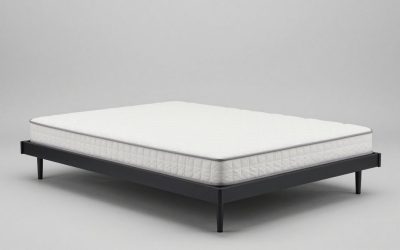
- Platform deck height (drawer base): typically 12-14 inches
- Platform deck height (lift-up base): typically 13-15 inches, since the hinge mechanism and support rails add 1-2″ over a simple drawer box
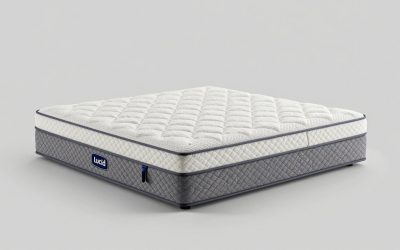
- Mattress height: 10-12 inches is standard for foam or hybrid mattresses sized for platform beds
Add those together and a 13″ deck with a 12″ mattress puts you at 25″ total — right in the comfortable zone. But a 14″ lift-up deck with a thick 14″ mattress pushes you to 28″, which starts to feel more like climbing into bed than sitting down, especially for shorter adults or kids. If you’re buying a thick mattress (12″+), look for a lower-profile storage base, and if you already own a low bed frame, a slimmer 8-10″ mattress will keep the total in range. Always check the listed deck height, not just “platform bed” as a category, before assuming the math works.
Construction Trade-offs
The frame material affects both how the storage mechanism holds up and how the bed feels day to day.
| Material | Weight capacity | Drawer/hinge durability | Notes |
|---|---|---|---|
| Solid wood | Usually 500-700+ lbs total | Best — solid rails hold glides and hinges without flexing | Heaviest to move, priciest, ages well |
| Engineered wood (particleboard/MDF with veneer) | Usually 400-600 lbs total | Adequate if hardware is metal-on-metal; particleboard drawer sides wear faster than solid-wood ones | Most common price point for storage beds; watch for chipped edges over time |
| Metal frame with fabric or wood drawers | Usually 350-500 lbs total | Depends entirely on drawer construction, not the frame | Lighter to move, less common in full size storage builds |
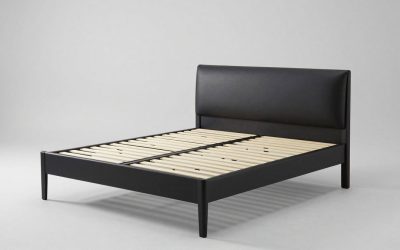
| Upholstered (fabric/faux leather over wood frame) | Usually 450-650 lbs total | Drawers usually engineered wood underneath the fabric | A full size upholstered bed with storage adds a soft headboard but the storage mechanism underneath is the same drawer or lift-up hardware as any other build |
Matching the Bed to Your Situation
| Situation | Best pick | Why |
|---|---|---|
| Small apartment, no closet space | Lift-up platform | Maximizes volume without adding a dresser; one lid to open instead of managing multiple drawer fronts |
| Kids and pets in the house | Drawer base, solid wood or metal-track glides | Easy daily access without lifting a mattress; cheap, fast repairs when a glide gets slammed too hard |
| Renters who move every 1-2 years | Drawer base, flat-pack construction | Drawer units break down for moving more easily than a hinged lift-up deck; lighter box weight overall |
| Back pain or limited mobility | Drawer base over lift-up | No bending to lift a heavy mattress-and-deck assembly; side access at a normal height |
| Studio or guest room needing visible storage | Bookcase headboard/footboard, paired with underbed bins | Shelving stays reachable without floor-level bending; combine with loose bins for the under-bed gap instead of a built-in mechanism |
Assembly, Moving, and What Wears First
Storage beds run heavier and bulkier than a standard platform frame, and that shows up at delivery and every time you move.
- Box weight: a full size drawer-storage bed typically ships in 2-3 boxes totaling 150-220 lbs; lift-up models often ship in fewer, heavier boxes because the deck is one welded or hinged unit rather than several drawer boxes.
- Doorway width: most interior doors run 28-32 inches. A full size headboard (usually 57-60″ wide) will need to come through at an angle regardless of storage type, but a one-piece lift-up deck is harder to maneuver through tight hallway turns than a drawer base that disassembles into a headboard, footboard, and side rails.
- What wears first: on drawer beds, it’s the glides — cheap plastic-on-plastic glides start sticking within a year or two under regular use; metal ball-bearing glides last much longer. On lift-up beds, it’s the gas struts, which gradually lose pressure and stop holding the deck fully open, eventually requiring you to prop it or replace the struts (a $30-50 part but a more involved repair than a drawer glide). On bookcase footboards, thin particleboard shelves sag under the weight of books or bins over a few years.
Where Daybeds, Canopy, and Twin Storage Beds Fit In
A full size day bed with storage is a different frame type entirely — it has raised side rails (like a couch), usually paired with drawers underneath, and works well as a sitting-and-sleeping piece in a living room or den rather than a primary bedroom bed. A full size canopy bed with storage combines a four-post frame with a drawer or lift-up base; the canopy posts add height and visual weight, so they suit larger rooms (10×12 ft or bigger) better than tight bedrooms, where the posts can make an already-small full size bed feel cramped. A twin size platform bed with storage uses the same drawer or lift-up mechanisms scaled down, and is generally the easiest of all sizes to fit in a shared kids’ room since the narrower frame leaves more floor space for a second bed or a play area.
Across every size and style, the buying decision comes down to the same three questions: how much you need to store, how often you’ll access it, and how much deck height you can add before the mattress feels too high to sit on comfortably.