Body weight changes the physics of a mattress. Every pound you bring to bed is transferred through the comfort layers into the support core, and a bed engineered around a 150-pound sleeper simply runs out of material under a 300-pound one. The result is a familiar pattern: a hammock-shaped dip forming within months, hips sinking below shoulders, lower-back stiffness at 3 a.m., and edges that collapse when you sit down to put on shoes. Firmness alone does not solve this — durability of the support system does.
This guide approaches the problem from a sleep-wellness perspective rather than a marketing one. Below you will find the specifications that actually predict longevity at higher body weights, a shortlist of beds built with reinforced coils and high-density foam, and answers to the questions I hear most often from clients who have already replaced two sagging mattresses in five years.
Our top picks
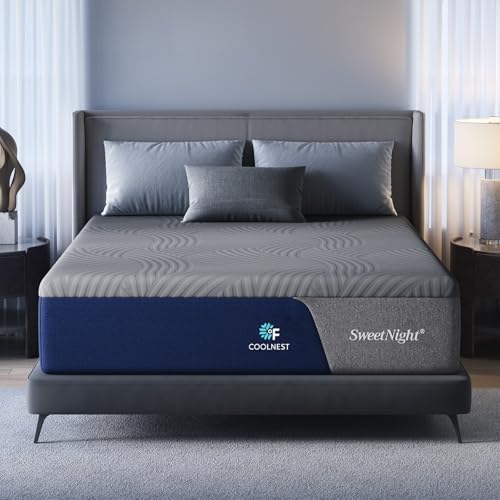 Sweetnight CoolNest 14 Inch King Size Mattress
- CoolNest System for a Cooler Night - The…
- 5-Zone Support for Pressure Relief - Engineered with…
- Motion Isolation for Undisturbed Sleep - Constructed with…
 12" Extra Firm Queen Mattress
- SLEEP DEEPLY, WAKE RESTED: Experience cloud-like comfort with…
- Say goodbye to sleep disruptions
- Sleep cool and comfortable all night long


As an Amazon Associate we earn from qualifying purchases at no extra cost to you.
🛒 Best Price Today on Amazon
Prime members get fast, free shipping on everything above, plus member-only deals. New members get a 30-day free trial — cancel anytime.
How to Choose a Mattress For Obese People (2026)
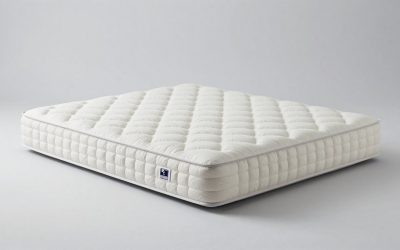
- Prioritize the support core, not the pillow top: Pocketed coils in the 13–14 gauge range, or high-density polyfoam above 1.8 lb/ft³, resist compression fatigue. Plush cushioning layers feel wonderful in a showroom but contribute nothing to load bearing.
- Choose 12 to 14 inches of total height: Thinner profiles bottom out, meaning your body compresses through the comfort layers and rests effectively on the base. A taller build also makes getting in and out of bed easier on knees and hips.
- Buy one step firmer than your instinct: Firmness is measured relative to how much a body sinks. A mattress marketed as medium will often present as medium-soft above 250 pounds, so a medium-firm or extra-firm rating usually lands where you want it.
- Insist on reinforced perimeter support: Encased edge coils or a dense foam rail keep the sides from rolling away, expanding the genuinely usable sleep surface and making transfers safer for anyone with mobility or joint concerns.
- Check the foundation and the sag clause: Slats should sit no more than three inches apart with a supported center rail. Read the warranty’s indentation threshold too — coverage at 0.75 inch is meaningfully better protection than the common 1.5-inch standard.
The Best Mattresses For Obese People (2026) Reviewed
Sweetnight CoolNest 14 Inch King
The five-zone construction is the point of interest here: firmer support beneath the lumbar region and softer response at the shoulders helps keep the spine level rather than letting the midsection drop. Its cooling foam and breathable build address the heat retention that heavier sleepers tend to notice most, though the medium feel will suit larger side sleepers better than stomach sleepers.
BedStory 14 Inch Hybrid King
Explicitly engineered for heavier bodies, this hybrid pairs individually pocketed springs with zoned lumbar reinforcement — the combination most likely to hold its shape over years of concentrated load. The ten-year warranty and anti-sag coil layout make it a sensible default recommendation for couples where one or both partners exceed 250 pounds.
12″ Heavy Duty Big & Tall Full
A focused, no-frills option for single sleepers or guest rooms, built around pocketed coils, high-density foam and a reinforced perimeter rather than luxury surface materials. At twelve inches it is the slimmest bed here, so I would steer sleepers well above 300 pounds toward a taller profile, but the quiet, stable feel is impressive for the category.
Extra Firm 14 Inch Hybrid Queen
This is the pick for anyone who has repeatedly sunk through softer beds: a genuinely extra-firm hybrid with a thick foam edge, multi-layer core and fiberglass-free construction. Motion isolation is strong for such a firm build, which matters for couples, and back sleepers with lumbar pain typically adapt to it within a week or two.
EGOHOME 14 Inch Copper Gel King
An all-foam alternative for sleepers who want contouring pressure relief without coils, using copper-gel infusion and a graphene cooling cover to manage the surface heat that thick memory foam usually traps. The medium-firm calibration and chiropractic endorsement make it a strong fit for shoulder and hip pain, provided you pair it with a properly supported platform base.
Frequently Asked Questions
What firmness should I actually buy?
Most sleepers over 250 pounds do best between medium-firm and firm. Side sleepers can stay at the softer end of that window to protect the shoulder and hip; back and stomach sleepers should move toward extra firm to prevent lumbar hyperextension.
Is hybrid or memory foam better at higher weights?
Hybrids generally win on durability, airflow and edge strength because steel recovers from compression better than foam does. Choose all-foam only when the memory foam is high density and the mattress is at least twelve inches thick.
How long should the mattress last?
Expect six to eight years from a well-built hybrid under sustained higher load, versus the ten years often quoted for average-weight use. Rotating the mattress head to foot every three months measurably slows the formation of body impressions.
Do I need a new bed frame?
Frequently, yes. Wide slat gaps, unsupported center rails and older box springs are the most common cause of premature sagging, and using them can void the warranty on an otherwise excellent mattress.
Final Thoughts
For most buyers, the BedStory 14 Inch Hybrid offers the best balance of zoned support, coil durability and warranty protection, while the Extra Firm 14 Inch Hybrid is the stronger choice if you have consistently sunk through beds labeled medium-firm. Sleepers who prefer the cradling feel of foam should look to the EGOHOME 14 Inch Copper Gel, paired with a sturdy, closely slatted platform base.