Side sleeping concentrates almost your entire body weight onto two narrow contact zones: the shoulder and the hip. Add a higher body weight to that equation and the physics change quickly. A mattress that feels plush in a showroom can bottom out under 250, 300, or 400 pounds, letting the hip sink past the point where the spine stays neutral. The result is a familiar pattern in sleep clinics — waking every 90 minutes to flip sides, numb arms, and a low back that protests before the alarm goes off. Meanwhile, budget foams trap heat against a larger surface area, and thin comfort layers compress permanently within a year, leaving a body-shaped trench that no amount of rotating will fix.
What obese side sleepers actually need is a specific combination that most marketing copy glosses over: enough surface softness to let the shoulder and hip settle in, sitting on top of a support core strong enough to stop the descent before the lumbar curve collapses. This guide breaks down what to look for in 2026 — profile height, coil gauge, foam density, edge reinforcement, and cooling architecture — then reviews the models that genuinely deliver on that balance, from hybrid workhorses to Purple’s grid-based approach. Every recommendation below is assessed for durability under sustained load, not just first-night comfort.
Our top picks

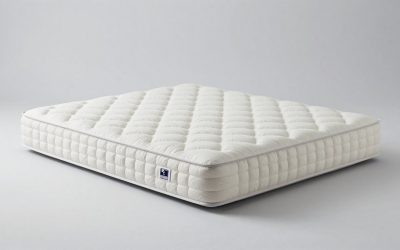
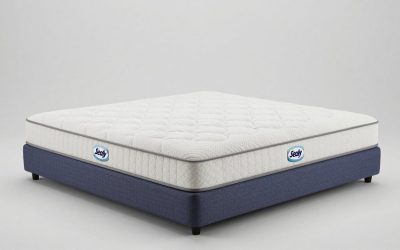
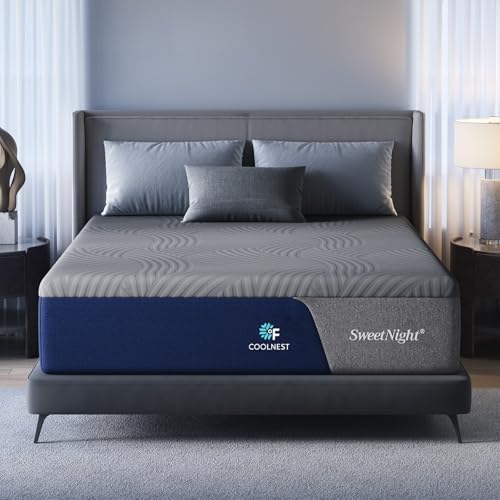 Sweetnight CoolNest 14 Inch King Size Mattress
- CoolNest System for a Cooler Night - The…
- 5-Zone Support for Pressure Relief - Engineered with…
- Motion Isolation for Undisturbed Sleep - Constructed with…


As an Amazon Associate we earn from qualifying purchases at no extra cost to you.
🛒 Best Price Today on Amazon
Prime members get fast, free shipping on everything above, plus member-only deals. New members get a 30-day free trial — cancel anytime.
How to Choose a Mattress For Obese Side Sleepers (2026)
- Profile height of 12 inches minimum: A 14-inch build gives you room for a genuine comfort layer above a full-height support core. Anything under 10 inches forces those two jobs to compete, and under heavier load the support core wins — meaning your shoulder never gets the give it needs.
- Pocketed coils over all-foam, in most cases: Individually wrapped springs push back proportionally where pressure is highest, which is exactly what a 300-pound frame needs at the hip. Look for zoned lumbar reinforcement, where coil count or gauge increases through the middle third of the mattress.
- Foam density, not just foam thickness: Memory foam below roughly 3.5 lb/ft³ is the single most common failure point for heavier sleepers. Copper-, gel-, or graphene-infused foams tend to be denser by design, which is why they hold their shape longer under repeat compression.
- Medium to medium-firm, counterintuitively: Higher body weight compresses any surface further than the label suggests, so a mattress rated medium-firm on a standard scale often reads as medium once you’re on it. Extra-firm models sound protective but usually create shoulder pain by refusing to yield at all.
- Reinforced perimeter and real trial length: Edge support determines whether you can sit to put on shoes without the side collapsing, and it predicts how the mattress ages. A 365-night trial matters more here than for average-weight sleepers, because load-related sagging often appears in months four through eight.
The Best Mattresses For Obese Side Sleepers (2026) Reviewed
Sleepmax 14 Inch Hybrid
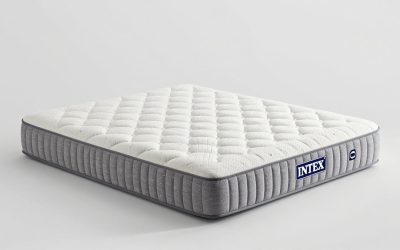
This is the most balanced entry point in the category: a full 14 inches of hybrid construction with pocketed springs beneath pressure-relieving foam, tuned for back and side sleeping rather than one or the other. The 365-night trial is the real selling point for heavier buyers, since it covers the window where under-built mattresses begin to show permanent impressions.
BedStory 14 Inch Hybrid King
Engineered explicitly around heavier bodies, with zoned lumbar support and a no-sag pocket spring core that keeps the hip from dropping below shoulder level. If your primary complaint is morning low-back stiffness rather than shoulder pressure, this is the most targeted design on the list.
Purple Plus 11″ King
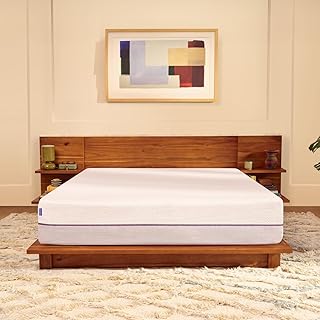
The GelFlex Grid behaves unlike foam under load — it buckles precisely where pressure is concentrated and stays supportive everywhere else, which suits the shoulder-and-hip geometry of side sleeping remarkably well. It also runs temperature neutral by structure rather than by additive, a meaningful advantage for anyone who sleeps hot.
EGOHOME 14 Inch Memory Foam
The best all-foam option here, thanks to copper gel infusion and a graphene cooling cover that address foam’s two weaknesses: heat retention and softening under sustained weight. Motion isolation is excellent, making it a strong pick for couples where one partner shifts positions frequently.
Sweetnight CoolNest 14 Inch
Five-zone ergonomic support does the heavy lifting, varying firmness along the body’s length so the midsection is held while the shoulder area yields. Its medium feel and breathability-focused build suit side sleepers who found previous foam mattresses both too stiff and too warm.
Frequently Asked Questions
How firm should a mattress be for an obese side sleeper?
Aim for medium to medium-firm. Higher body weight compresses the surface more deeply than the firmness label implies, so a medium-firm mattress typically delivers the shoulder relief of a softer one while still preventing hip sink.
Is a hybrid or all-foam mattress better for heavier sleepers?
Hybrids generally win on durability and airflow, because pocketed coils resist permanent compression better than foam and allow heat to escape. High-density all-foam models with copper or graphene infusions are a viable alternative if you strongly prefer a contouring, motion-isolating feel.
Do I need a special foundation or bed frame?
Yes. Use a platform base or slats spaced no more than three inches apart, with a sturdy center support beam. Insufficient support beneath the mattress causes sagging that is frequently mistaken for mattress failure and often voids the warranty.
How long should a mattress last under higher body weight?
Expect five to eight years from a well-built hybrid or high-density foam model, versus the eight-to-ten-year industry average. Rotating head-to-foot every three months meaningfully extends that window.
Final Thoughts
For most obese side sleepers, the BedStory 14 Inch Hybrid is the safest structural bet, with its zoned lumbar reinforcement and no-sag coil core built specifically for heavier frames. The Sleepmax 14 Inch Hybrid offers nearly the same support at a friendlier price with a year-long trial to prove itself, while the Purple Plus is worth the premium if pressure relief at the shoulder and cool, neutral temperature regulation are your priorities.