
Key takeaways
- Item Dimensions D x W x H: 46"D x 16.7"W x 17.2"H
- Material: Superior Alloy Steel
The bench is the piece of home gym equipment people buy last and regret first. A rack takes up an obvious amount of room, so you plan for it. A bench looks small on a product page — 4 feet long, maybe 18 inches wide — and then it arrives, and you discover that a bench is not a 4-foot object. It’s a 4-foot object surrounded by an 8-foot working envelope, because you need clearance for a barbell at the head end, room to sit up and swing dumbbells at the foot end, and a walking lane on at least one side. In a spare bedroom, that difference decides whether you train or trip.
I spent several weeks pressing, rowing, and stepping on benches in a room that measures 10 by 11 feet, with a closet as the only storage. The tests were unglamorous: load the pad to failure of my nerve rather than the frame, check for lateral rock under a heavy unilateral row, measure the seat-to-back gap that pinches skin during incline work, and time how long it takes to fold the thing and get it out of the walking path. Four designs survived. They solve different problems, and the cheapest one is genuinely the right answer for some people.
Our top picks
 NICEPEOPLE Adjustable Weight Bench for Home Gym
- Item Dimensions D x W x H: 46"D x 16.7"W x 17.2"H
- Material: Superior Alloy Steel
 YOLEO Adjustable Weight Bench for Home Gym
- Item Dimensions D x W x H: 41"D x 12.6"W x 42.5"H
- Material: Alloy Steel
 Yagud Weight Bench Press
- Item Dimensions D x W x H: 9.84"D x 12.6"W x 31.5"H
- Material: Alloy Steel
| Product | Key specs | |
|---|---|---|
| NICEPEOPLE Adjustable Weight Bench for Home Gym | Item Dimensions D x W x H: 46"D x 16.7"W x 17.2"H Material: Superior Alloy Steel | Check price |
| YOLEO Adjustable Weight Bench for Home Gym | Item Dimensions D x W x H: 41"D x 12.6"W x 42.5"H Material: Alloy Steel | Check price |
| Yagud Weight Bench Press | Item Dimensions D x W x H: 9.84"D x 12.6"W x 31.5"H Material: Alloy Steel | Check price |
 YOLEO Adjustable Weight Bench for Home Gym YOLEO Adjustable Weight Bench for Home Gym | Check price | |
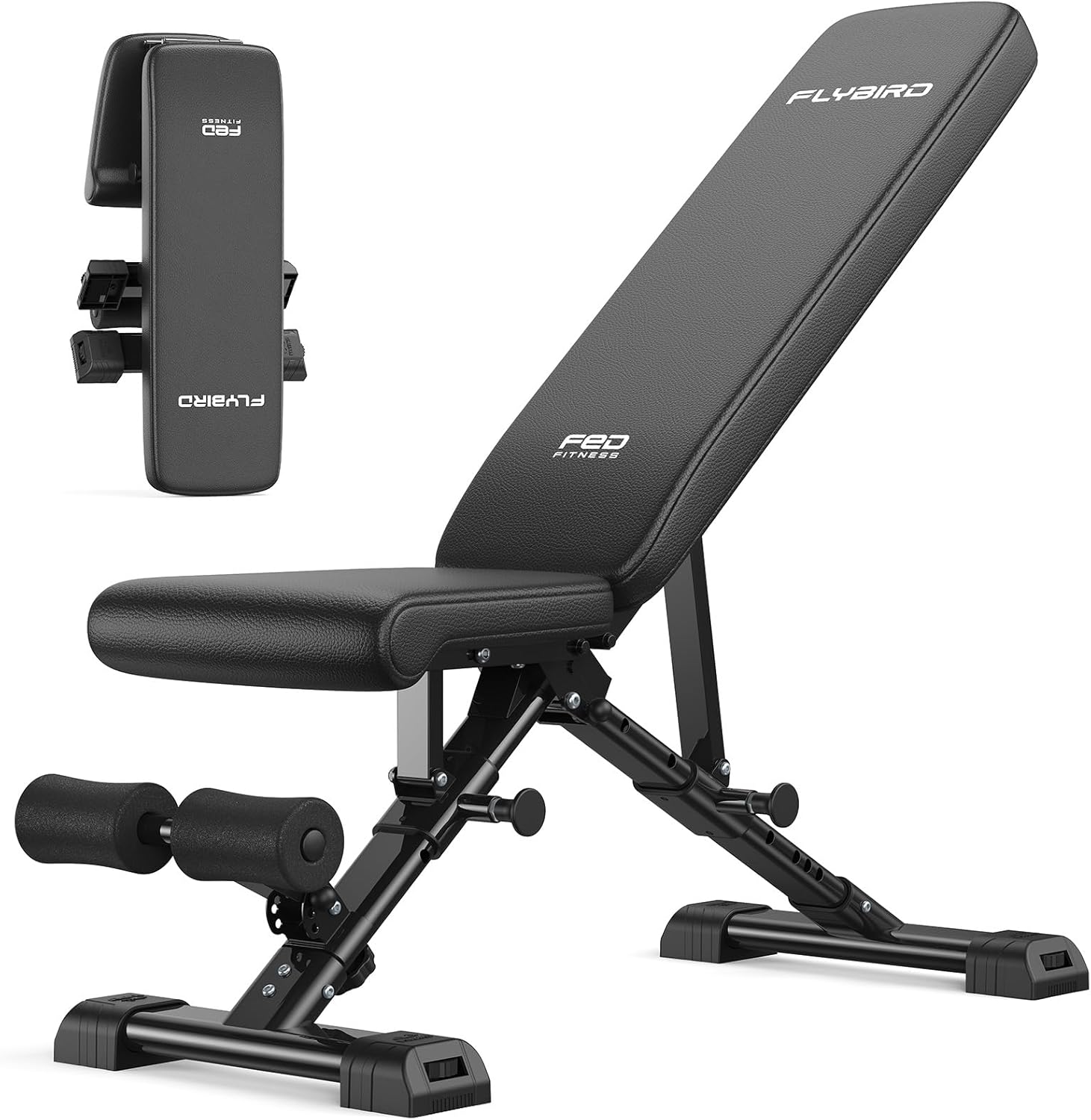 Adjustable Weight Bench for Home Gym Adjustable Weight Bench for Home Gym | Warranty Description: 1 year Item Dimensions D x W x H: 46"D x 13"W x 48.5"H Material: Breathable leather &Alloy Steel | Check price |
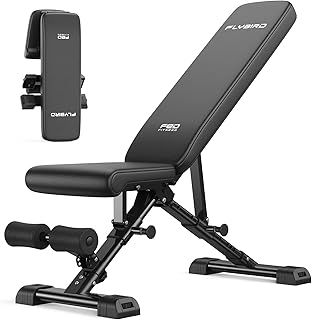 FLYBIRD WB5 Weight Bench FLYBIRD WB5 Weight Bench | Check price | |
 Amazon Basics Adjustable Workout Weight Bench Press Amazon Basics Adjustable Workout Weight Bench Press | Check price |
As an Amazon Associate we earn from qualifying purchases at no extra cost to you.
As an Amazon Associate we earn from qualifying purchases.

Quick Comparison
| Pick | Best for | Adjustability | Typical capacity | Stored footprint |
|---|---|---|---|---|
| Flat utility bench | Barbell pressing on a budget | None — fixed flat | 600–1,000 lb | Slides under a rack or bed frame |
| Adjustable FID bench | Overall versatility | Flat, incline, decline, upright | 600–800 lb | Stands upright on wheels, ~2 sq ft |
| Folding adjustable bench | Rooms that double as living space | Multi-position back and seat | 400–600 lb | Flat against a wall or in a closet |
| Heavy-duty flat bench | Serious pressing numbers | None — fixed flat, competition height | 1,000+ lb | Does not store; lives in place |
How to Choose
- Measure the envelope, not the bench. Chalk out 8 feet by 5 feet on the floor and stand in it. If you can’t extend a broom handle to shoulder width without hitting a dresser, the bench length is not your limiting factor — the room is.
- Check pad height against your legs. A 17-inch pad is the accepted standard because it lets most lifters plant their feet flat with shins near vertical. Cheap benches often sit 19 or 20 inches high, which floats your heels and quietly costs you stability on every press.
- Interrogate the seat gap. On adjustable benches, the space between the back pad and seat pad is where comfort goes to die. Under an inch is excellent. Three inches means your shoulder blades lose contact at low incline angles and your skin gets pinched at high ones.
- Understand three-leg versus four-leg frames. Three-post designs put nothing between your feet, which is a real advantage for foot placement. Four-post designs are more stable under uneven load. If you row heavy with one arm, favor four.
- Decide honestly whether you’ll fold it. Folding mechanisms add hinges, and hinges add flex. If the bench will actually stay in the corner permanently, buy the rigid version and enjoy the solid feel.
Top Picks Reviewed
Flat Utility Bench — Best Value
A fixed flat bench is a rectangle of steel with foam on top, and that simplicity is the feature. There are no hinges to develop play, no adjustment ladder to dig into your spine, and no wobble under a heavy dumbbell row. The good ones use a wide pad at the shoulders that tapers toward the hips, which supports the upper back without blocking your arm path. Because it’s short and low, it slides fully underneath a power rack or a bed frame, which effectively makes its storage footprint zero. The trade is obvious: no incline, so you’ll build upper-chest work from floor presses, low-incline dumbbells on a wedge, or a landmine setup. For anyone whose training is squat, bench, row, that’s not much of a loss.
Adjustable FID Bench — Best Overall
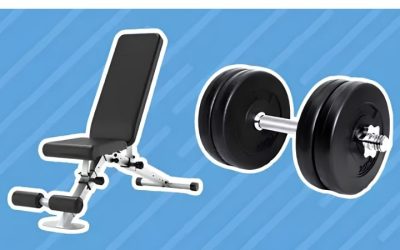
Flat, incline, decline, and upright in one frame is what most home lifters actually want, and the current generation of these benches has closed most of the gap with commercial gear. Look for a ladder-style back adjustment rather than a pop-pin: ladders are faster, and they don’t seize when the frame flexes under load. The upright position turns the bench into a seated shoulder press station, and decline gives you a place to anchor for sit-ups and hip work. Mine stands vertically on transport wheels between sessions, occupying about the footprint of a kitchen chair. The compromise is weight — these run 60 to 90 pounds — so the wheels matter more than the spec sheet suggests.
Folding Adjustable Bench — Best for Shared Rooms
This is the bench for the person whose gym is also a home office or a nursery. It collapses to something like 8 inches thick and leans flat against a wall or slides into a closet, which means the room reverts to being a room in about ten seconds. Capacity is lower, typically 400 to 600 pounds including the lifter, and you will feel a slight amount of give at steep incline angles. It’s not a bench for chasing a 315-pound press. It is an excellent bench for dumbbell work, and it removes the single most common excuse for skipping a session: the equipment being in the way of everything else.
Heavy-Duty Flat Bench — Best for Heavy Pressing
Once you’re moving real weight, bench feel becomes a performance variable. Thick-gauge steel, a dense pad that doesn’t compress under your shoulder blades, wide feet with grippy pads, and a 17-inch height combine into a platform that simply does not move. The pad tack — often a textured vinyl — keeps you from sliding as you drive with your legs. This bench is heavy, it does not fold, and it will not go into a closet. Buy it if you have a permanent corner and your goal is measured in plates rather than in convenience.
Frequently Asked Questions
How much floor space do I actually need?
Plan for roughly 8 feet by 5 feet of clear area. The bench itself takes about 4 by 1.5 feet; the rest is barbell clearance at the head, dumbbell swing room at the foot, and a walking lane. If you press with a barbell inside a rack, measure to the rack uprights and add 2 feet behind for loading plates.
Is an adjustable bench worth the extra cost?
If dumbbells are your primary tool, yes — incline pressing, seated shoulder work, and supported rows all become available, and that’s most of an upper-body program. If you train primarily with a barbell in a rack, a rigid flat bench gives you a better pressing surface for less money and takes up less room.
What weight capacity do I need?
Add your bodyweight to the heaviest load you expect to hold, then double the total for a safety margin. A 200-pound lifter pressing 250 pounds should be looking at 900 pounds or more. Also check whether the manufacturer’s rating includes the user or refers only to the external load, since both conventions are in use.
Will a bench damage my floor?
Bare steel feet will scuff hardwood and can tear vinyl plank, especially when you drag the bench rather than lift it. Horse stall mats or 3/4-inch rubber tiles solve it permanently, deaden noise for anyone living below you, and give dropped dumbbells somewhere forgiving to land.
Final Thoughts
Pick based on the room you have rather than the gym you imagine. If your training space is permanent, buy the most rigid bench your budget allows and accept that it lives there — solid beats clever every time you have weight in your hands. If the space is shared, the folding bench wins on the only metric that ultimately matters, which is how often you actually use it. And if you’re building a barbell-focused setup on a tight budget, the humble flat bench is not a compromise; it’s the same tool people have used to press respectable numbers for decades, and it disappears under your rack when you’re done.
8 Best Gym Mats for Home: Rubber vs Foam Picks for Any Floor
Best gym mat for home choices come down to material density and...
8 Best Rowers for Home Gym: Air, Magnetic and Water Compared
Best rowers for home gym shortlists usually collapse once someone measures the...
8 Best Weight Home Gyms: 6 All-in-One Machines for Small Rooms
Best weight home gym decisions come down to two numbers before brand...
8 Best Home Gym Equipment for Beginners: The Starter Setup
Best home gym equipment for beginners is not a machine – it...
Best Treadmills for Home Gym: 5 Picks by Deck and Motor
Best treadmills for home gym decisions come down to two specifications and...
8 Best Home Gym Compact Setups: 6 Space-Saving Picks Ranked
Best home gym compact claims usually quote a stored footprint and stay...
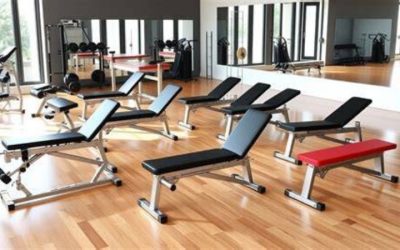
Best Adjustable Bench for Home Gym: 5 Picks Ranked by Use
Best adjustable bench for home gym decisions turn on three numbers most...
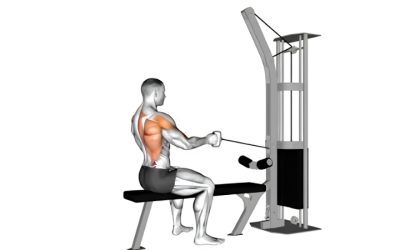
Best Cable Machine for Home Gym: 5 Picks and Pulley Ratios
Best cable machine for home gym shortlists collapse quickly once you convert...
8 Best Cable Machines for Home Gym: 5 Types and Their Limits
Best cable machines for home gym use are not one product category...
8 Best Home Gym Setups: Floors, Ceilings, Noise and Layout
Best home gym setup guides talk about equipment and skip the room,...
Write Your Review
No reviews yet. Be the first to share your experience!