Key takeaways
- Just move the box to the room you…
- Introducing our signature combination of fabrics and foams…
- Whether you're a side sleeper, back sleeper, stomach…
If you weigh under about 130 pounds and sleep on your side, most mattress marketing is quietly working against you. Firmness ratings are calibrated for average-weight sleepers, so a bed advertised as “medium” often behaves like a plank under a lighter frame. You simply don’t generate enough downward force to sink into the comfort layers, which leaves your shoulder and hip perched on the surface instead of nestled into it. The result is that familiar 3 a.m. pattern: a numb arm, an achy hip point, and a series of half-conscious flips looking for a position that doesn’t pinch.
The fix isn’t just “buy something soft.” Lightweight side sleepers need a specific combination — shallow, responsive contouring near the surface, gentle shoulder relief without a sagging midsection, and enough breathability that a plush feel doesn’t turn into a heat trap. Below, I’ve pulled together the models that actually behave correctly at lower body weights, followed by a buying framework you can apply to any bed you’re considering, expert notes on each pick, and answers to the questions I hear most often from petite sleepers.
Our top picks


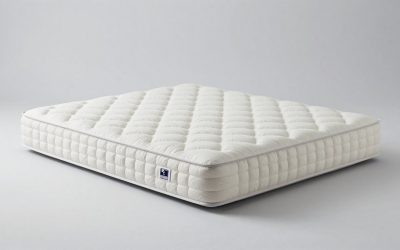
 Novilla Bliss Cooling Queen Size Mattress
- Just move the box to the room you…
- Introducing our signature combination of fabrics and foams…
- Whether you're a side sleeper, back sleeper, stomach…
As an Amazon Associate we earn from qualifying purchases at no extra cost to you.
🛒 Best Price Today on Amazon
Prime members get fast, free shipping on everything above, plus member-only deals. New members get a 30-day free trial — cancel anytime.
How to Choose a Mattress For Lightweight Side Sleepers (2026)
- Shift your firmness target down a notch: A bed rated medium-firm on a standard 1–10 scale will read a full point or two firmer to a lightweight sleeper. Aim for soft to medium — roughly 4 to 6 — and treat anything labeled “medium firm” as your absolute ceiling.
- Prioritize surface-level contouring: Deep transition layers only engage under real pressure. Look for a generous top layer of soft memory foam or a quilted pillow-top that yields immediately, so your shoulder can drop in without your whole body having to press for it.
- Favor pocketed coils over solid slabs: Individually wrapped springs flex zone by zone, letting the shoulder and hip sink while your waist stays supported. That independence matters more at low body weight, where a one-piece foam core often just refuses to move.
- Watch total height and edge behavior: A 12 to 14 inch profile gives comfort layers room to work. Lighter sleepers also tend to sleep closer to the perimeter, so reinforced edges keep the usable sleep surface from shrinking.
- Insist on real cooling and real certifications: Plush surfaces cradle more of your body, which traps more heat. Gel infusions and cool-touch covers offset that, while CertiPUR-US and OEKO-TEX certifications tell you the foams have been tested for emissions and harmful substances.
The Best Mattresses For Lightweight Side Sleepers (2026), Reviewed
Soft Plush 12 Inch Hybrid
This is the most directly targeted option here — it’s engineered around the side-sleeping shoulder, pairing a genuinely soft gel memory foam surface with pocketed springs underneath so your hips don’t bottom out. For sleepers in the 100 to 130 pound range who’ve found every other hybrid too rigid, this is where I’d start, and the 365-night trial gives your body a full season to adapt.
Sleepmax 14 Inch Hybrid
The extra two inches of height translate into deeper, more forgiving comfort layers, which is exactly what a lightweight frame needs to actually engage the bed. It’s a fair bit more accommodating than its “back and side sleepers” billing suggests, and the fiberglass-free construction plus year-long trial make it an easy recommendation for cautious first-time online buyers.
Novilla Bliss 12 Inch Memory Foam
An all-foam pick for sleepers who want that slow, enveloping cradle rather than any springiness underfoot, with gel infusion and a cool-touch nylon cover doing the thermal heavy lifting. Best suited to lighter sleepers specifically — the same foam core that hugs a 115-pound side sleeper beautifully would feel unsupportive at higher weights.
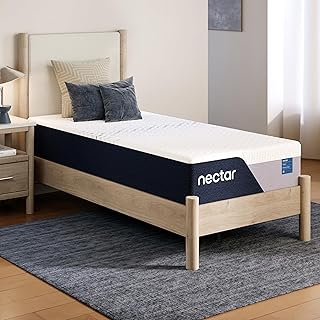
Nectar 12″ Memory Foam (Twin)
Nectar’s medium-firm tuning is on the firm end of what I’d recommend, but it’s a strong choice for lightweight side sleepers who also spend part of the night on their back and want a bed with a long, well-documented track record. The twin size makes it a sensible pick for teens, guest rooms, and smaller bedrooms.
Sayre 12 Inch Memory Foam (Twin)
A quietly impressive value: US-made cooling gel foam with both CertiPUR-US and OEKO-TEX certification, plus the motion isolation that makes memory foam so forgiving for restless side sleepers. Its pressure-relieving profile suits lighter sleepers well, and the standard twin footprint drops straight into most existing frames.
Frequently Asked Questions
Should lightweight side sleepers always choose a soft mattress?
Almost always, yes — but “soft” should mean plush at the surface with firm support beneath, not uniformly squishy. A bed that’s soft all the way through will let your hips drift out of alignment over the course of the night.
Is memory foam or a hybrid better for petite side sleepers?
Hybrids usually win on shoulder relief because pocketed coils respond zonally and add airflow. Choose all-foam if you’re a light sleeper who’s easily disturbed by movement or prefers a deeply cradled, motionless feel.
How long before a new mattress feels right?
Give it two to four weeks. Your body needs time to unlearn the compensations it developed on your old bed, and foams soften measurably during the first month of use — which is exactly why the 365-night trials on several picks above are worth having.
Can a mattress topper fix a bed that’s too firm?
A 2 to 3 inch soft topper can meaningfully improve shoulder pressure on a too-firm mattress, and it’s a reasonable interim step. It won’t rescue a sagging or genuinely worn-out bed, though — no surface layer compensates for a failing core.
Final Thoughts
For most lightweight side sleepers, the Soft Plush 12 Inch Hybrid is the most precisely matched option on this list, with the Sleepmax 14 Inch Hybrid as the pick if you want extra comfort-layer depth and a bit more support for combination sleeping. If you’d rather have that classic slow-sinking foam cradle, the Novilla Bliss delivers it with genuine cooling built in. Whichever you choose, buy into a long trial period, sleep on it for at least a month, and judge it by how your shoulder feels at sunrise rather than how it feels in the first five minutes.