Key takeaways
- Your body can tell the difference between natural…
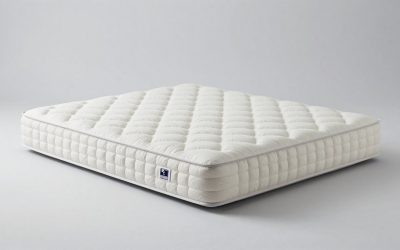
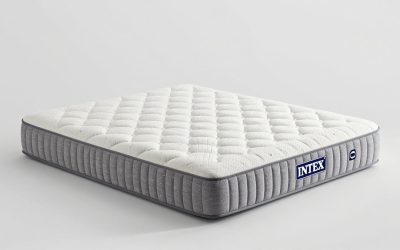
- This 11” organic non-toxic mattress combines breathable 100%…
- ADAPTIVE CORE TECH (STOPS STIFF NECKS): Stop waking…
Side sleeping is the most popular position among adults, and also the least forgiving. Lying on one side funnels most of your body weight onto two narrow contact points — the shoulder and the hip — while your lumbar spine has to bridge the gap between them. Get the surface wrong and you wake with a dead arm, a sore hip, or the low-grade stiffness that never quite clears. Shopping organic complicates it further: “eco,” “green,” and “natural” carry no legal definition, and plenty of mattresses wearing those words are conventional polyfoam under a cotton cover.
This guide separates genuinely certified beds from the merely green-sounding ones, and explains which construction details actually decide whether your shoulder gets the room it needs. You’ll find certified organic hybrids that earn their price, a handful of well-built conventional options worth knowing if your budget is tighter, and a short framework for judging any mattress you come across — not only the ones below.
Our top picks
 11" Organic Mattress
- Your body can tell the difference between natural…
- This 11” organic non-toxic mattress combines breathable 100%…
- ADAPTIVE CORE TECH (STOPS STIFF NECKS): Stop waking…

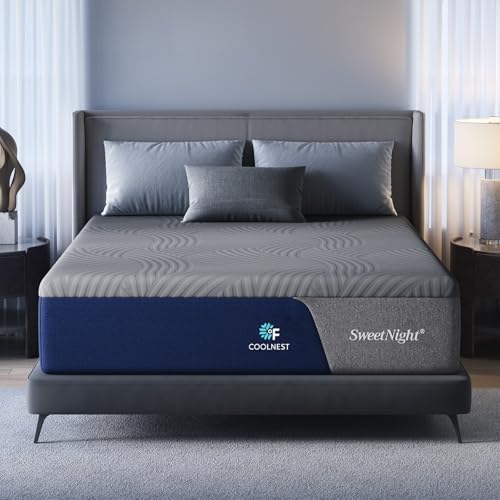 Sweetnight CoolNest 14 Inch King Size Mattress
- CoolNest System for a Cooler Night - The…
- 5-Zone Support for Pressure Relief - Engineered with…
- Motion Isolation for Undisturbed Sleep - Constructed with…


As an Amazon Associate we earn from qualifying purchases at no extra cost to you.
🛒 Best Price Today on Amazon
Prime members get fast, free shipping on everything above, plus member-only deals. New members get a 30-day free trial — cancel anytime.
How to Choose an Organic Mattress For Side Sleepers (2026)
- Certifications, not adjectives: GOTS covers cotton and wool, GOLS covers latex, and GREENGUARD Gold or OEKO-TEX verifies low emissions. CertiPUR-US is a foam safety standard — useful, but it is not an organic claim.
- Firmness matched to your frame: Most side sleepers land between medium and medium-firm. Under roughly 130 lbs, err softer so the shoulder can sink; over 230 lbs, err firmer so the hip does not drop below the waistline.
- At least two inches of give: Look for a comfort layer of latex, wool batting, or a hand-tufted quilt thick enough to swallow the shoulder joint before you reach the support core.
- Zoned pocket coils: Five- to seven-zone coil systems firm up under the pelvis while staying yielding at the shoulder — the single most useful feature for keeping a side sleeper’s spine level.
- Airflow and edge strength: Latex and wool breathe naturally and wick moisture; dense memory foam traps heat. Reinforced perimeters matter too, since side sleepers tend to drift toward the edge of the bed.
The Best Organic Mattresses For Side Sleepers (2026), Reviewed
11″ Organic Latex Hybrid (GOTS & GOLS, Medium)
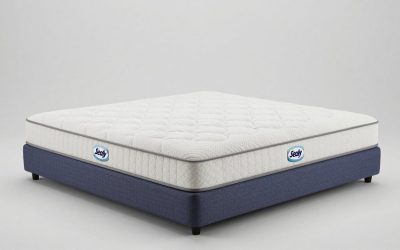
This is the cleanest specification sheet in the roundup: GOLS-certified latex over pocketed coils, wrapped in GOTS cotton and wool, with no polyfoam and no fiberglass anywhere in the build. The medium feel and 11-inch profile give average-weight side sleepers enough latex to cushion the shoulder without losing the coil support underneath.
My Green Mattress Kiwi Organic Hybrid
The Kiwi pairs GOTS cotton and wool with GOLS latex over a seven-zone pocket coil unit, and the hand-tufted tight top keeps the fill from shifting into lumps over time. Its medium-firm calibration suits heavier side sleepers and combination sleepers who need a bed that stays level when they roll onto their back.
Sweetnight CoolNest 14″
Not an organic bed — this is CertiPUR-US memory foam — but the five-zone ergonomic layout and cooling construction make it a credible budget option for hot-running side sleepers. Expect deeper contouring and more heat retention than latex, plus a slower response when you change position.
Vibe Quilted Hybrid 12″
A quilted pillow top over innerspring coils gives this one more immediate surface softness than most beds at its price, which is exactly what a bony shoulder wants. It is fiberglass free and CertiPUR-US certified, though the gel memory foam comfort layer is petroleum-based rather than plant-derived.
DreamCloud 12″ Hybrid
DreamCloud’s memory foam and coil build lands slightly firmer than most side sleepers prefer, so it suits larger bodies and couples better than lighter sleepers. The 365-night trial is the real draw: side sleeping problems often take weeks to reveal themselves, and a full year removes the guesswork.
Frequently Asked Questions
Is an organic mattress genuinely better for side sleepers?
Organic certification addresses materials and chemical exposure, not ergonomics. That said, natural latex happens to be excellent for side sleeping — it cushions pressure points while springing back quickly, so your hips never settle into a hammock.
What firmness should a side sleeper buy?
Medium to medium-firm for most people. The reliable test: lie on your side and check whether your spine forms a straight horizontal line. A dipping waist means too soft; a raised hip means too firm.
What is the difference between GOTS and GOLS?
GOTS applies to organic textiles such as cotton and wool covers or batting. GOLS applies specifically to organic latex. A mattress claiming to be fully organic should reference both, since each covers a different part of the build.
How long should an organic latex hybrid last?
Natural latex is unusually durable, and a well-made latex hybrid commonly runs 12 to 15 years — considerably longer than an all-foam bed, which often begins to sag at the shoulder and hip within seven.
Final Thoughts
If you want a genuinely certified bed, the 11″ Organic Latex Hybrid offers the most complete GOTS and GOLS specification here, while the My Green Mattress Kiwi is the stronger choice for heavier side sleepers thanks to its seven-zone coil system and hand-tufted top. If certification is negotiable and budget is not, the Vibe Quilted Hybrid delivers the plush shoulder relief side sleepers need at a fraction of the cost.