Key takeaways
- Comfort layer depth over total height: A 14-inch mattress with only two inches of pressure-relieving foam will feel firmer than a 12-inch model with four. Side sleepers need enough cushioning depth for the shoulder to descend into the surface rather than deflect off it — look for plush pillow tops, Euro tops, or generous quilted panels.
- Firmness that matches your frame: Under roughly 130 pounds, plush and soft-plush surfaces are usually necessary to get any meaningful contouring at all. Between 130 and 230, medium to medium-firm hybrids tend to hit the alignment sweet spot. Above that, a firmer coil base prevents the hips from bottoming out through the foam.
- Zoned coil support: Mattresses engineered with softer coils at the shoulder and reinforced coils under the lumbar and hip region do the alignment work automatically. This matters more for side sleepers than for any other position, because your body’s widest and narrowest points sit only inches apart.
- Cooling architecture: Deep contouring means more of your body is surrounded by foam, which traps heat. Prioritize hybrids with pocketed coils for airflow, plus phase-change or gel-infused cover fabrics if you run warm.
- Trial period and warranty terms: Your body needs two to four weeks to adapt to a new sleep surface, so anything shorter than a 100-night trial is a gamble. A 10-year limited warranty is the baseline for a quality innerspring or hybrid at this price tier.
Side sleeping is the most popular position in the country, and also the one that punishes a mattress the hardest. All of your body weight funnels into two narrow contact zones — the shoulder and the hip — while your waist and knees hover above the surface. Get the balance wrong and you wake up with a numb arm, an aching hip, or a lower back that feels wrung out. Too firm, and your shoulder gets shoved upward until your spine bends like a bow. Too soft, and your hips sink past the point of alignment, twisting your pelvis for seven straight hours.
Serta has spent decades tuning that balance, and its current lineup includes several genuinely good side-sleeper options — plus a few models that are better suited to back and stomach sleepers, despite similar names. This guide breaks down which Serta mattresses actually cradle the shoulder-hip curve, what specs to look for on the box, and where each pick fits in terms of feel, cooling, and long-haul durability. One well-reviewed non-Serta hybrid is included as a value comparison point.
Our top picks


As an Amazon Associate we earn from qualifying purchases at no extra cost to you.
🛒 Best Price Today on Amazon
Prime members get fast, free shipping on everything above, plus member-only deals. New members get a 30-day free trial — cancel anytime.
How to Choose a Serta Mattress For Side Sleepers (2026)
- Comfort layer depth over total height: A 14-inch mattress with only two inches of pressure-relieving foam will feel firmer than a 12-inch model with four. Side sleepers need enough cushioning depth for the shoulder to descend into the surface rather than deflect off it — look for plush pillow tops, Euro tops, or generous quilted panels.
- Firmness that matches your frame: Under roughly 130 pounds, plush and soft-plush surfaces are usually necessary to get any meaningful contouring at all. Between 130 and 230, medium to medium-firm hybrids tend to hit the alignment sweet spot. Above that, a firmer coil base prevents the hips from bottoming out through the foam.
- Zoned coil support: Mattresses engineered with softer coils at the shoulder and reinforced coils under the lumbar and hip region do the alignment work automatically. This matters more for side sleepers than for any other position, because your body’s widest and narrowest points sit only inches apart.
- Cooling architecture: Deep contouring means more of your body is surrounded by foam, which traps heat. Prioritize hybrids with pocketed coils for airflow, plus phase-change or gel-infused cover fabrics if you run warm.
- Trial period and warranty terms: Your body needs two to four weeks to adapt to a new sleep surface, so anything shorter than a 100-night trial is a gamble. A 10-year limited warranty is the baseline for a quality innerspring or hybrid at this price tier.
The Best Serta Mattresses For Side Sleepers (2026), Reviewed
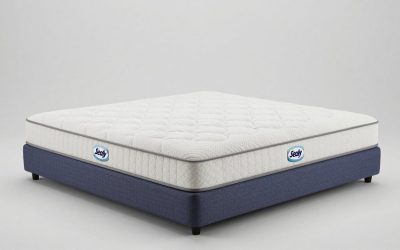
Serta Perfect Sleeper Ultimate 14.5″ Firm Pillow Top
The firm coil core here is paired with a thick pillow top, which is an unusual and very effective combination for heavier side sleepers who need contouring without sinkage. Reinforced edge support also makes it easy to sleep near the perimeter — a real consideration if you share the bed.
Serta Five Star Tranquility 10″ Plush Pillow Top
At 10 inches with a plush pillow top, this is the most forgiving option for petite and lightweight side sleepers who find most mattresses simply too rigid to compress. It’s also a sensible choice for guest rooms where budget matters more than premium materials.
Serta Perfect Sleeper Hybrid 12″ Firm
A firm hybrid is a narrower fit for side sleeping, but it earns its place for combination sleepers who spend part of the night on their back or stomach. Pair it with a two-inch topper if your shoulder needs more give.
Serta Perfect Sleeper X Prescott 14″ Medium Firm Hybrid
This is the most universally recommendable pick on the list: a medium-firm hybrid with cooling tech built into the surface and enough coil response to keep the hips level. If you sleep on your side and run warm, start here.
Sleepmax 14″ Cooling Hybrid
Included as a value benchmark, this bed-in-a-box hybrid targets pressure relief specifically for side and back sleepers and backs it with a 365-night trial. It’s fiberglass-free and CertiPUR-US certified, which addresses the two most common concerns with budget imports.
Frequently Asked Questions
What firmness is best for side sleepers?
Most side sleepers do best between medium-soft and medium-firm. The reliable test is to lie down and slide a hand under your lumbar curve — if it passes through easily, the mattress is too firm; if you can’t fit it at all, you’re sinking too deep.
Should I choose a hybrid or an all-foam mattress?
Hybrids generally serve side sleepers better because pocketed coils flex independently under the shoulder and hip while still holding the waist up. They also sleep noticeably cooler than comparable all-foam builds.
How long does it take to adjust to a new mattress?
Expect two to four weeks. Foam layers soften slightly with use, and your body needs time to unlearn the compensations it developed on your old bed — which is why brief in-store testing is a poor predictor of long-term comfort.
Do side sleepers need a specific pillow height?
Yes, and it’s frequently the missing piece. Side sleeping requires a loftier pillow than back sleeping to fill the gap between your shoulder and ear; a mattress that contours well will slightly reduce that gap, so you may need a lower-profile pillow than before.
Final Thoughts
For most side sleepers, the Perfect Sleeper X Prescott is the smartest starting point — medium-firm, cooling, and balanced enough to suit a wide range of body types. Heavier sleepers and anyone who wants deeper cushioning over a firm foundation should look at the Perfect Sleeper Ultimate 14.5″ Firm Pillow Top, while lightweight sleepers will likely get better contouring from the plush Five Star Tranquility. Whichever you choose, use the full 100-night trial before passing judgment.