Key takeaways
- Confirm Twin XL, not Twin: Nearly all residence halls use the 39″ x 80″ Twin XL. A standard Twin runs five inches short, which means exposed vinyl under your calves and a topper that creeps toward the headboard nightly. Check your housing portal before ordering.
- Match thickness to your sleep position: Two inches is plenty for back and combination sleepers who mainly want to soften a rigid surface. Side sleepers, who load the shoulder and hip joint far more heavily, generally need three inches before the topper can cradle rather than simply cushion.
- Take heat seriously: Dorm rooms are notorious for uncontrollable radiator heat and no air conditioning. Gel infusions, ventilated foam channels, and bamboo-derived rayon covers all measurably help; dense, unventilated foam does the opposite and will trap body heat against you.
- Look for a deep-pocket skirt: Institutional mattresses vary in depth, and a topper that shifts is a topper you’ll stop using by October. Anchored elastic skirts rated to 18–20 inches stay put through move-in chaos and Sunday sheet changes.
- Prioritize CertiPUR-US and a washable cover: That certification limits VOCs and heavy metals — worth having in a small, poorly ventilated room. A removable, machine-washable cover matters just as much when laundry access means a shared basement and a coin machine.
Every August, campus housing hands students the same sleep surface: a thin, vinyl-wrapped slab sized 39 by 80 inches, cleaned between occupants and built to survive four decades of turnover rather than to support a spine. As a sleep-wellness practitioner, I see the downstream effects in intake notes constantly — first-year students reporting hip pressure at 3 a.m., shoulder numbness, and the specific frustration of falling asleep quickly but waking unrefreshed. The mattress is rarely the whole story, but it is almost always part of it, and it’s the one variable a student can actually change.
This guide covers the toppers I consider genuinely worth suitcase space in 2026. Dorm beds have unusual constraints — Twin XL dimensions, occasional loft-bed height limits, radiators that run hot in November, and roommates on unpredictable schedules — so I’ve weighted my picks toward thermal regulation, real pressure relief at the hip and shoulder, and fitted designs that won’t migrate every time someone flops down to study. Below you’ll find current options, followed by a buying framework and answers to the questions students and parents ask me most.
Our top picks



As an Amazon Associate we earn from qualifying purchases at no extra cost to you. Ratings are shown as listed on Amazon.
🛒 Best Price Today on Amazon
Prime members get fast, free shipping on everything above, plus member-only deals. New members get a 30-day free trial — cancel anytime.
How to Choose a Mattress Topper for Dorm Beds (2026)
- Confirm Twin XL, not Twin: Nearly all residence halls use the 39″ x 80″ Twin XL. A standard Twin runs five inches short, which means exposed vinyl under your calves and a topper that creeps toward the headboard nightly. Check your housing portal before ordering.
- Match thickness to your sleep position: Two inches is plenty for back and combination sleepers who mainly want to soften a rigid surface. Side sleepers, who load the shoulder and hip joint far more heavily, generally need three inches before the topper can cradle rather than simply cushion.
- Take heat seriously: Dorm rooms are notorious for uncontrollable radiator heat and no air conditioning. Gel infusions, ventilated foam channels, and bamboo-derived rayon covers all measurably help; dense, unventilated foam does the opposite and will trap body heat against you.
- Look for a deep-pocket skirt: Institutional mattresses vary in depth, and a topper that shifts is a topper you’ll stop using by October. Anchored elastic skirts rated to 18–20 inches stay put through move-in chaos and Sunday sheet changes.
- Prioritize CertiPUR-US and a washable cover: That certification limits VOCs and heavy metals — worth having in a small, poorly ventilated room. A removable, machine-washable cover matters just as much when laundry access means a shared basement and a coin machine.
The Best Mattress Toppers for Dorm Beds (2026), Reviewed
ELEMUSE Twin XL Thick Pillow Top Bed Pad
This is the most immediately gratifying option here — a lofted, quilted pillow top that transforms an institutional surface into something that feels like a real bed the first night. Best suited to back and stomach sleepers who want cushioning and warmth rather than deep contouring support.
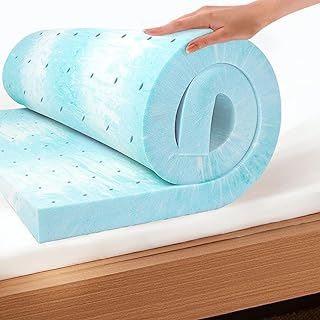
ELEMUSE 3 Inch Dual Layer Memory Foam Topper
The two-layer construction is the smartest engineering on this list: two inches of cooling gel foam handles pressure distribution while a one-inch pillow top prevents the sinking, cocooned sensation some sleepers dislike about memory foam. My default recommendation for side sleepers who also run warm.
Niagara Sleep Solution Bamboo Cooling Topper
A breathable, rayon-from-bamboo pillow top with a 20-inch deep pocket that grips even the oddest institutional mattress depths. The clear pick for hot sleepers who want relief from a hard surface without adding foam thickness under low loft-bed clearance.
SINWEEK 2 Inch Gel Memory Foam Topper
Ventilated, CertiPUR-US certified, and thin enough to keep standard Twin XL sheets fitting properly — a genuine consideration when dorm linens are already snug. Excellent value for back sleepers whose main complaint is firmness rather than joint pain.
SINWEEK 3 Inch Gel Memory Foam Topper with Removable Cover
Higher-density foam and full three-inch depth make this the strongest choice for students dealing with persistent low-back or hip discomfort. The removable, washable cover is a practical advantage over sealed designs across a nine-month term.
Frequently Asked Questions
Are dorm beds always Twin XL?
The overwhelming majority are, but not universally — some older halls and suite-style apartments use standard Twin or Full. Verify with your specific residence hall rather than your university’s general housing page.
Will a topper make a loft bed unsafe?
Adding two to three inches raises your sleep surface, which reduces the effective height of guardrails. If your bed is lofted or bunked, measure your rail clearance first and favor a two-inch profile.
Do memory foam toppers smell when new?
Some off-gassing is normal. Unbox and air the topper for 24 to 48 hours before sleeping on it, ideally near an open window — the odor dissipates and is a reason to order before move-in day, not after.
Can I use my existing Twin sheets?
No. Twin XL requires its own fitted sheets, and adding three inches of loft means you’ll want deep-pocket versions. Budget for two sets so one can be in the wash.
Final Thoughts
For most students, the ELEMUSE 3 Inch Dual Layer topper is the best overall balance of cooling, contouring, and surface comfort. Hot sleepers in un-air-conditioned halls should look first at the Niagara Sleep Solution bamboo pad, while anyone managing genuine back or hip pain will get more from the SINWEEK 3 Inch high-density option — and all three will do more for sleep quality this semester than any supplement or sleep-tracking app.