Key takeaways
- Density before firmness: Firmness is what you feel in week one; density is what you feel in year two. Look for high-density memory foam, ideally 4 lb/ft³ or greater. Low-density foam can feel rigid in the box and still develop a body impression within months.
- Thickness matched to the problem: Two inches refines a mattress that is only marginally too soft. Three inches is the right call when you can already see or feel a dip. Going thicker mostly adds heat and edge instability without adding meaningful spinal support.
- Your dominant sleep position: Back and stomach sleepers benefit most from a genuinely firm surface that keeps the hips level with the shoulders. Dedicated side sleepers should treat “extra firm” cautiously — shoulders and hips still need somewhere to go, or you trade back pain for shoulder pain.
- Thermal design: Dense foam traps heat, and fragmented sleep amplifies pain sensitivity. Gel infusion, bamboo charcoal, or open-cell structure paired with a breathable knit cover keeps that trade-off manageable.
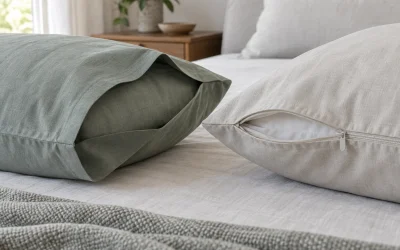
- Cover, certification, and trial period: Insist on a removable, machine-washable zippered cover with non-slip backing, plus CertiPUR-US certification for emissions and content. Then check the return window — spinal adaptation to a new surface commonly takes two to three weeks.
What's inside
Back pain rarely introduces itself at noon. It shows up at 4 a.m., when a mattress that has quietly lost its support lets the pelvis sink and the lumbar curve flatten into a shallow hammock. Spend seven hours in that position and the deep stabilizing muscles never really clock off — you wake stiff, roll to the edge of the bed to stand, and blame the day before. In clinic-style sleep assessments, an under-supporting sleep surface is one of the most common and most fixable contributors to morning stiffness.
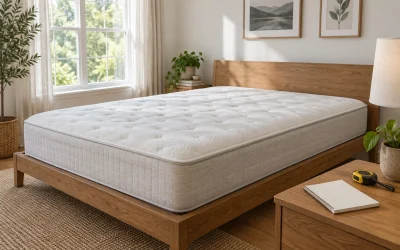
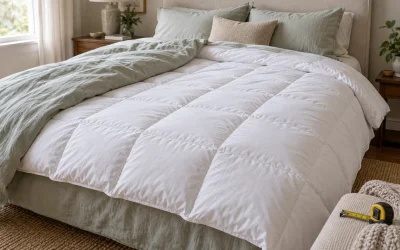
Replacing a mattress is the obvious fix and the expensive one. A high-density firm topper is the practical middle path: it rebuilds the support layer your mattress used to have for a fraction of the cost. Below, I break down the specifications that actually predict long-term support — foam density, thickness, thermal behavior, and cover construction — then review five firm toppers that hold their shape under sustained load rather than collapsing after a season.
As an Amazon Associate we earn from qualifying purchases.


🛒 Best Price Today on Amazon
Prime members get fast, free shipping on everything above, plus member-only deals. New members get a 30-day free trial — cancel anytime.
How to Choose a Firm Mattress Topper For Back Pain (2026)
- Density before firmness: Firmness is what you feel in week one; density is what you feel in year two. Look for high-density memory foam, ideally 4 lb/ft³ or greater. Low-density foam can feel rigid in the box and still develop a body impression within months.
- Thickness matched to the problem: Two inches refines a mattress that is only marginally too soft. Three inches is the right call when you can already see or feel a dip. Going thicker mostly adds heat and edge instability without adding meaningful spinal support.
- Your dominant sleep position: Back and stomach sleepers benefit most from a genuinely firm surface that keeps the hips level with the shoulders. Dedicated side sleepers should treat “extra firm” cautiously — shoulders and hips still need somewhere to go, or you trade back pain for shoulder pain.
- Thermal design: Dense foam traps heat, and fragmented sleep amplifies pain sensitivity. Gel infusion, bamboo charcoal, or open-cell structure paired with a breathable knit cover keeps that trade-off manageable.
- Cover, certification, and trial period: Insist on a removable, machine-washable zippered cover with non-slip backing, plus CertiPUR-US certification for emissions and content. Then check the return window — spinal adaptation to a new surface commonly takes two to three weeks.
The Best Firm Mattress Toppers For Back Pain (2026) Reviewed
BedStory 3-Inch Firm Mattress Topper
The most balanced option here for lumbar support: three inches of high-density, CertiPUR-US certified memory foam that resists the slow sag that undermines cheaper toppers. It reads genuinely firm without feeling like plywood, which makes it my default recommendation for back and combination sleepers correcting a softening mattress.
Sleepmax Extra Firm 3-Inch Topper
The firmest surface on this list, built on high-density fusion foam that keeps the hips from dropping below shoulder line — ideal for stomach sleepers and heavier back sleepers who bottom out standard toppers. The washable premium cover and low-odor construction are welcome practical touches.
PERLECARE Cooling Gel-Infused Firm Topper
PERLECARE pairs gel infusion with bamboo charcoal foam, a combination that measurably slows heat buildup in dense foam without softening the support core. This is the pick for anyone who needs firm pressure relief but historically abandons memory foam because they overheat by 2 a.m.
ViscoSoft 3-Inch Select High Density Topper
The standout cover in this group: a soft bamboo-rayon shell that removes easily and washes well, wrapped around a high-density core with a reassuring support floor. A strong choice for king beds and for sleepers who want firmness underneath and a gentler hand-feel on top.
Premium Foam Full Mattress Topper
A straightforward, thickened firm topper sized for full mattresses — a size that is chronically underserved in this category. It delivers durable, no-frills support for guest rooms, teenagers, or anyone testing whether added firmness resolves their morning stiffness before spending more.
Frequently Asked Questions
Can a firm topper rescue a sagging mattress?
It can compensate for mild to moderate softening, but it cannot bridge a structural dip. If the depression exceeds roughly an inch and a half, the topper will simply follow the contour — replace the mattress instead.
Is firmer always better for back pain?
No. Current sleep research favors medium-firm to firm surfaces for most people with chronic low back pain; excessively hard surfaces can increase pressure at the shoulders and hips and disrupt sleep continuity.
How long does it take to feel a difference?
Allow the foam 24 to 72 hours to fully expand and off-gas, then give your body two to three weeks. A brief uptick in stiffness during that adjustment window is common and usually resolves.
Two inches or three?
Three inches for meaningful correction of a too-soft mattress; two inches when you only need to firm up an already decent surface without changing bed height or sheet fit.
Final Thoughts
For most sleepers rebuilding lumbar support, the BedStory 3-Inch Firm Topper offers the best balance of density, firmness, and price. Choose the Sleepmax Extra Firm if you need maximum resistance to hip sink, and the PERLECARE Cooling Gel-Infused model if heat is what keeps waking you. Persistent or radiating back pain deserves a clinician’s assessment — a topper improves your sleep surface, not a diagnosis.