Two words on a mattress label carry more marketing weight than almost any others: firm and organic. Neither is standardized. A brand can call a bed firm because it feels dense under the palm in a showroom, and it can print “organic” on the box because the cover thread was grown without pesticides while the core underneath is petroleum foam. Buyers who need real surface support and a genuinely clean build end up parsing spec sheets written to be skimmed, not studied.
This guide treats those two claims as separate problems and checks each on its own terms. Below are the beds worth shortlisting in 2026 — latex and coil hybrids that hold the lumbar spine in neutral alignment without the slow sink of plush foam, and that back their material claims with third-party certification instead of adjectives. You’ll find what to verify before ordering, candid notes on which sleeper each mattress actually suits, and answers to the questions that surface once the box is unrolled.
Our top picks


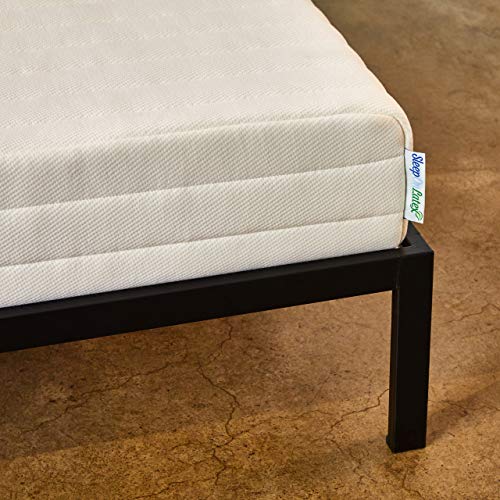 Organic Mattress Queen Size
- Firm - Very Supportive and Strong with Just…
- Filled with 8” Organic Latex Foam (GOLS Certified)…
- Designed, Quilted, Sewn, Assembled and Packaged in our…
As an Amazon Associate we earn from qualifying purchases at no extra cost to you.
🛒 Best Price Today on Amazon
Prime members get fast, free shipping on everything above, plus member-only deals. New members get a 30-day free trial — cancel anytime.
How to Choose a Firm Organic Mattress (2026)
- Certifications, not vocabulary: Look for GOTS on cotton and wool, GOLS on latex, and GREENGUARD Gold or MADE SAFE for emissions testing. CertiPUR-US is a foam-safety standard, useful but not an organic credential — the distinction matters when comparing price tiers.
- Firmness versus support: Firmness describes the first inch you touch; support describes whether your hips stay level with your shoulders at 3 a.m. Side sleepers under roughly 150 pounds often need a medium-firm to avoid shoulder compression, while back and stomach sleepers benefit from a true firm.
- Coil architecture: Pocketed springs isolate motion and breathe far better than solid foam cores. Zoned units — firmer gauge wire through the lumbar third — deliver targeted lift where the lower back tends to dip.
- Latex type and density: Dunlop latex settles denser and reads firmer; Talalay is springier and slightly softer. For a firm build, Dunlop over coils is the more durable pairing.
- Trial length and warranty terms: Give any firm mattress at least 30 nights before judging it — your soft tissue needs time to adapt. Then read the sag threshold in the warranty; one inch is generous, 1.5 inches is not.
The Best Firm Organic Mattress (2026)s Reviewed
Ethical Mattress CO 10-Inch Organic Hybrid (King)
A refreshingly honest build: organic cotton, wool as the natural flame barrier, latex, and pocketed coils, with nothing synthetic hiding in the middle. At 10 inches it sleeps firmer than its profile suggests, which suits back sleepers and anyone who dislikes the enveloped feeling of thicker foam beds.
Naturepedic Serenade Organic Luxury (Full, Firm)
The most rigorously certified option here, and it shows in the finish quality — encased coils, organic latex, and a wool-and-cotton comfort layer with no polyurethane anywhere in the stack. Worth the premium if chemical exposure is your primary concern and you want a firm feel that stays consistent for a decade.
Naturepedic Verse Organic Kids Mattress (Twin XL, Firm)
Growing spines do better on a supportive surface than a cushioned one, and this encased-coil model gets that balance right without the off-gassing odor common to budget youth mattresses. Quilted sides and a waterproof-friendly construction make it practical through the teenage years and into a dorm room.
Organic 14-Inch Gel Foam Hybrid (Queen)
A medium-to-firm compromise for couples who can’t agree on feel, with gel-infused foam over coils and noticeably reinforced perimeter support. The extra edge stability is a genuine advantage for anyone who sits on the side of the bed to dress or shares a smaller footprint.
BedStory Firm 13-Inch Hybrid (Queen)
Zoned lumbar reinforcement gives this one an edge for back pain, holding the pelvis up rather than letting it rotate forward overnight. The 365-night trial and 10-year warranty make it a low-risk entry point, though the materials are conventional rather than certified organic.
Frequently Asked Questions
Is a firm mattress actually better for back pain?
Not universally. Research consistently favors medium-firm over extra-firm for chronic low back pain, because a surface that’s too rigid leaves gaps under the lumbar curve. Firm works best for stomach and back sleepers and for heavier bodies that would otherwise sink past neutral.
What does “organic” legally mean on a mattress?
Very little on its own. The USDA doesn’t certify finished mattresses, so brands rely on component certifications. A bed with a GOTS-certified cover but a synthetic foam core can technically use the word — always check which layers the certification covers.
Do organic mattresses sleep hotter than foam?
Generally cooler. Wool regulates moisture, latex has an open-cell structure, and pocketed coils create genuine airflow channels. Memory foam is the layer that traps heat, so a latex-and-coil build is the safer choice for hot sleepers.
How long is the break-in period?
Expect two to four weeks. Latex softens slightly as it settles, and your body recalibrates its sense of “normal” during that window. Judging a firm mattress after three nights almost always leads to an unnecessary return.
Final Thoughts
For uncompromising material purity and a firm feel that lasts, the Naturepedic Serenade is the benchmark. The Ethical Mattress CO hybrid delivers most of that integrity at a friendlier price, and the Naturepedic Verse remains the smartest choice for a child’s room where clean construction and durability matter equally.