Key takeaways
- Support core over surface plushness: Judge a mattress by what sits beneath the top two inches. A thick pillow top masks a weak core for a few weeks; a robust coil unit or high-density base foam is what keeps your spine neutral three years in.
- Coil gauge, count, and zoning: Lower gauge numbers mean thicker steel. Look for pocketed coils in the 13–14 gauge range, ideally with reinforced zoning under the lumbar and hip region, where roughly 45% of body mass concentrates.
- Foam density, not just firmness: Firmness describes feel; density predicts lifespan. Aim for polyfoam at 1.8 lb/ft³ or higher and memory foam at 4 lb/ft³ or higher, with open-cell or gel infusion so airflow isn’t sacrificed for support.
- Reinforced perimeter: Heavier sleepers use the edge constantly — sitting, dressing, getting up at 3 a.m. A high-density foam encasement or firmer border coils prevents roll-off and effectively expands your usable sleep surface.
- Trial length and sag clause: Bodies need three to four weeks to adapt to a firmer surface, so a 365-night trial is a genuine advantage. Read the warranty’s impression threshold; anything requiring more than 1.5 inches of visible sag is unlikely to protect you.
Body weight changes the physics of a mattress. Past roughly 230 pounds, a sleeper compresses the comfort layers two or three times deeper than the “average” body most beds are engineered around, which means the soft top surface stops doing its job and the support core underneath absorbs nearly all of the load. When that core is undersized, the hips settle below the shoulders, the lumbar curve flattens into a hammock, and you wake with a dull ache that no amount of stretching resolves. Layer on collapsing edges that make sitting up feel unstable, plus the heat that builds when more body surface presses into dense foam, and it becomes obvious why a mattress can feel acceptable in week one and disappointing by month six.
This guide takes the approach a sleep clinician would: support first, surface feel second, durability as the tiebreaker. Below you’ll find the specifications that genuinely predict long-term performance for heavier sleepers — coil gauge, foam density, perimeter construction — followed by five extra-firm beds that hold their geometry under real load, and answers to the questions readers ask most often.
Our top picks


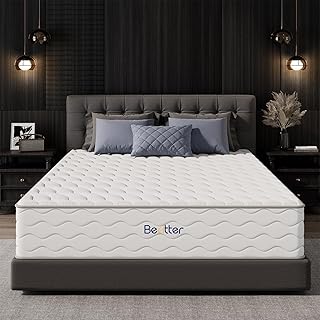

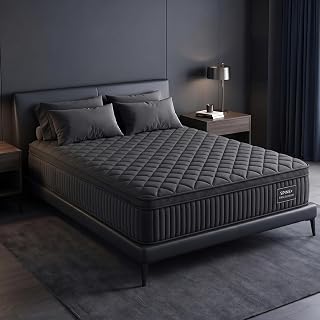

As an Amazon Associate we earn from qualifying purchases at no extra cost to you. Ratings are shown as listed on Amazon.
🛒 Best Price Today on Amazon
Prime members get fast, free shipping on everything above, plus member-only deals. New members get a 30-day free trial — cancel anytime.
How to Choose a Firm Mattress for a Heavy Person (2026)
- Support core over surface plushness: Judge a mattress by what sits beneath the top two inches. A thick pillow top masks a weak core for a few weeks; a robust coil unit or high-density base foam is what keeps your spine neutral three years in.
- Coil gauge, count, and zoning: Lower gauge numbers mean thicker steel. Look for pocketed coils in the 13–14 gauge range, ideally with reinforced zoning under the lumbar and hip region, where roughly 45% of body mass concentrates.
- Foam density, not just firmness: Firmness describes feel; density predicts lifespan. Aim for polyfoam at 1.8 lb/ft³ or higher and memory foam at 4 lb/ft³ or higher, with open-cell or gel infusion so airflow isn’t sacrificed for support.
- Reinforced perimeter: Heavier sleepers use the edge constantly — sitting, dressing, getting up at 3 a.m. A high-density foam encasement or firmer border coils prevents roll-off and effectively expands your usable sleep surface.
- Trial length and sag clause: Bodies need three to four weeks to adapt to a firmer surface, so a 365-night trial is a genuine advantage. Read the warranty’s impression threshold; anything requiring more than 1.5 inches of visible sag is unlikely to protect you.
The Best Firm Mattresses for Heavy People (2026), Reviewed
SLEEP100 14″ Extra Firm Memory Foam Mattress (King)
An all-foam option built around a rigid base rather than a soft contouring shell, with ventilated gel-infused memory foam handling pressure relief at the shoulders. It suits back sleepers who want motion isolation without the bounce of coils, and the 14-inch profile provides enough material to prevent bottoming out.
BedStory Extra Firm 14″ Hybrid Mattress (King)
A well-balanced hybrid that pairs a pocketed spring unit with targeted lumbar and hip reinforcement, which is precisely where heavier sleepers see sag first. CertiPUR-US certification, fiberglass-free construction, and a full-year trial make it a low-risk pick for couples with a meaningful weight difference.
14-Inch Extra Firm Hybrid with Spinal Alignment Support (King)
This one prioritizes alignment geometry, using firmer coils through the midsection so the pelvis stays level with the shoulders instead of dipping. The cooling cover and fiberglass-free build address two of the most common complaints in this weight category.
12″ Extra Firm Cooling Gel Hybrid Mattress (Queen)
A sensible choice for smaller bedrooms or guest rooms where a 14-inch bed would overwhelm the frame, offering breathable gel comfort layers over a supportive coil base. Explicitly engineered for heavier sleepers, it’s a strong value for combination back-and-neck pain sufferers.
BedStory 14″ Zoned Pocket-Spring Hybrid (King)
The zoned lumbar construction here does real work, stiffening the center third to resist the hammocking that ends most mattresses prematurely. Backed by a 10-year warranty, it’s the pick for sleepers who have already worn out one bed and want a more durable replacement.
Frequently Asked Questions
How firm should my mattress be if I weigh over 250 pounds?
Most heavier sleepers do best at 7–8.5 on the 10-point firmness scale. Keep in mind that firmness is perceived relative to body weight: a bed rated “extra firm” will feel roughly one to two steps softer to a 280-pound sleeper than to a 150-pound one.
Is a hybrid better than all-foam for heavier bodies?
Generally yes. Steel coils resist compression fatigue far better than polyurethane foam and allow air to move through the core, which reduces heat buildup. All-foam beds can work well, but only with genuinely high-density support layers.
What foundation should I use?
Use a rigid platform or slatted base with slats no more than three inches apart and a center support leg on queen sizes and larger. An inadequate frame causes sag that manufacturers routinely classify as misuse, voiding your warranty.
Will an extra-firm mattress bother side sleepers?
It can create shoulder and hip pressure points, though heavier side sleepers still need firm underlying support. A hybrid with a plusher quilted top layer, or a two-inch latex topper added after the adjustment period, usually solves it.
Final Thoughts
For most heavier sleepers, the BedStory Extra Firm 14″ Hybrid offers the best combination of reinforced lumbar support, certified materials, and a genuinely long trial window. The BedStory 14″ Zoned Pocket-Spring model is the stronger choice if durability is your primary concern, while the SLEEP100 14″ Extra Firm remains a solid all-foam alternative for those who prefer a quieter, motion-isolating surface.