Key takeaways
- Aim for medium-firm to firm, not maximum firm: Research on chronic low back pain consistently favors the medium-firm range. Reserve extra-firm builds for heavier bodies or dedicated back and stomach sleepers whose hips would otherwise drop out of line.
- Demand pelvic and lumbar zoning: Sciatic irritation often traces back to a rotated pelvis held at an angle all night. Zoned coil units or reinforced lumbar and hip panels keep the sacrum level while still allowing the shoulder to yield.
- Match firmness to your sleeping position: Side sleepers need enough top-layer give to let the greater trochanter sink an inch or so, or the piriformis stays clenched. Back sleepers benefit from a shallower comfort layer and a flatter, more supportive plane.
- Check the transition layer, not just the top: A thin comfort layer over a hard core creates a shelf effect that concentrates pressure at the hip. Look for a graduated build — soft foam, then a firmer transition foam, then coils or high-density base.
- Prioritize cooling and certifications: Nerve pain amplifies with restlessness, and overheating drives micro-awakenings. Gel-infused foams, ventilated channels, and coil airflow all help. Confirm CertiPUR-US foam and fiberglass-free construction before you buy.
Sciatica has a cruel sense of timing. The nerve pain that stayed quiet all day tends to announce itself the moment you lie down, and the surface underneath you decides whether the next eight hours are restorative or an exercise in endurance. In my work with clients managing lumbar radiculopathy, the same question surfaces almost every week: should I go firm, or should I go soft? The honest answer is that the framing itself is the problem. A mattress that feels firm to the palm of your hand may still let your pelvis sink and torque the lumbar spine, while a plush-feeling surface built over a responsive coil unit can hold your alignment beautifully. Feel and support are two separate variables, and sciatica sufferers get burned when they treat them as one.
This guide untangles that confusion. Below you’ll find the criteria that actually predict overnight nerve comfort — pelvic support, hip cradling, transition-layer depth, and heat management — followed by reviews of six well-reviewed 2026 options spanning extra-firm foam to medium-firm zoned hybrids. I’ve flagged which body types and sleep positions each one suits, so you can match the mattress to your anatomy rather than gambling on a label. Every pick here ships compressed and carries a long home trial, which matters enormously when nerve pain needs several weeks to recalibrate.
Our top picks


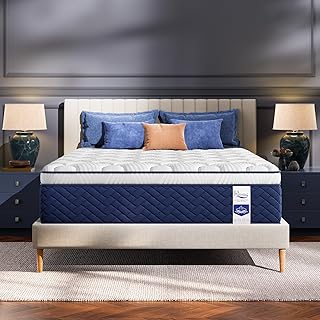
As an Amazon Associate we earn from qualifying purchases at no extra cost to you. Ratings are shown as listed on Amazon.
🛒 Best Price Today on Amazon
Prime members get fast, free shipping on everything above, plus member-only deals. New members get a 30-day free trial — cancel anytime.
How to Choose a Mattress For Sciatica Firm Or Soft (2026)
- Aim for medium-firm to firm, not maximum firm: Research on chronic low back pain consistently favors the medium-firm range. Reserve extra-firm builds for heavier bodies or dedicated back and stomach sleepers whose hips would otherwise drop out of line.
- Demand pelvic and lumbar zoning: Sciatic irritation often traces back to a rotated pelvis held at an angle all night. Zoned coil units or reinforced lumbar and hip panels keep the sacrum level while still allowing the shoulder to yield.
- Match firmness to your sleeping position: Side sleepers need enough top-layer give to let the greater trochanter sink an inch or so, or the piriformis stays clenched. Back sleepers benefit from a shallower comfort layer and a flatter, more supportive plane.
- Check the transition layer, not just the top: A thin comfort layer over a hard core creates a shelf effect that concentrates pressure at the hip. Look for a graduated build — soft foam, then a firmer transition foam, then coils or high-density base.
- Prioritize cooling and certifications: Nerve pain amplifies with restlessness, and overheating drives micro-awakenings. Gel-infused foams, ventilated channels, and coil airflow all help. Confirm CertiPUR-US foam and fiberglass-free construction before you buy.
The Best Mattress For Sciatica Firm Or Soft (2026)s Reviewed
SLEEP100 14″ Extra Firm Memory Foam
An all-foam build in the extra-firm range with gel infusion and ventilated channels, this is the pick for back and stomach sleepers who feel their hips sagging on softer beds. At 14 inches it offers enough depth to avoid the shelf effect that plagues thinner firm foam mattresses, though dedicated side sleepers with narrow shoulders may find it unyielding.
12 Inch Firm Hybrid With Lumbar Hip Support
A straightforward firm hybrid with reinforced lumbar and hip zoning, engineered squarely for back sleepers who wake with a low-back ache. The 365-night trial and ten-year warranty make it a low-risk way to test whether a genuinely firm surface calms your symptoms.
PUBPLON Medium Firm 12 Inch Hybrid
My most versatile recommendation here: gel memory foam over pocketed coils, with extra reinforcement at both the lumbar and shoulder zones. That dual-zone approach lets side sleepers drop the hip and shoulder without losing spinal support, which is exactly the balance most sciatica patients are hunting for.
Queen 12 Inch Extra Firm Luxury Hybrid
The coil support in this extra-firm hybrid gives it more resilience underfoot than an equivalent foam build, making it easier to change positions without twisting through the lumbar spine. A strong fit for larger-framed sleepers who compress standard firm mattresses too easily.
Firm Hybrid With Extra Back And Lumbar Hip Support
Targeted pressure relief at the hips paired with a firm overall feel puts this squarely in the combination-sleeper category. It resists the deep hip sink that aggravates piriformis tension, while the coil layer keeps the surface from feeling punishing.
Frequently Asked Questions
Is firm or soft better for sciatica?
Neither extreme. The medium-firm to firm band tends to perform best, because it holds pelvic alignment while still permitting some contouring at the hip and shoulder. Body weight and sleep position shift the ideal point within that band.
How long before I know if a mattress is helping?
Give it three to four weeks. Your soft tissue needs time to adapt to a new support profile, and a brief uptick in stiffness during the first week is common rather than diagnostic. This is precisely why a 365-night trial is worth prioritizing.
Can a mattress topper fix my current bed instead?
A topper can add cushioning, but it cannot create support that isn’t there. If your mattress has a visible sag or your hips drop below your shoulders on your back, replacement is the more effective path.
Does mattress height matter for sciatica?
Somewhat. Taller builds allow a graduated layer structure and make getting in and out easier, which reduces the flexion and rotation that often triggers a flare. Between 12 and 14 inches suits most adults well.
Final Thoughts
If you want one recommendation that fits the widest range of bodies and positions, the PUBPLON Medium Firm 12 Inch Hybrid earns it through genuine dual-zone support at both hip and shoulder. Back sleepers who need a flatter, firmer plane should look at the 12 Inch Firm Hybrid with Lumbar Hip Support, while heavier sleepers or committed stomach sleepers will get more lasting alignment from the SLEEP100 14″ Extra Firm. Whichever you choose, use the full trial period, track your morning symptoms in writing, and discuss persistent or worsening nerve pain with a clinician — a mattress is a meaningful part of managing sciatica, but it isn’t a substitute for treating the underlying cause.