Key takeaways
- Zoned lumbar support: Look for coils that are reinforced through the middle third of the bed. Zoning lets the shoulders yield slightly while the hips and lower back stay lifted, which is exactly the geometry a painful lumbar spine wants.
- Pocketed coils over solid foam: Individually wrapped springs push back locally rather than as a slab, so your pelvis stays level instead of tipping. They also cut motion transfer, which matters if a partner’s movement is waking you into a tense position.
- Height and edge structure: A 12–14 inch profile with a firm perimeter makes sitting down and standing up far less provocative for an irritated back — a small daily detail that patients consistently underrate.
- Match firmness to sleep position: Strict back and stomach sleepers usually do best on extra firm. Side sleepers with back pain often need medium-firm, because too rigid a surface forces the lumbar spine to bend sideways at the waist.
- Certifications and a long trial: CertiPUR-US foams and fiberglass-free construction remove two common worries, and a 365-night trial gives your body the six to eight weeks it genuinely takes to adapt before you judge results.
Lower back pain has a frustrating habit of arriving at 3 a.m. Lying down should unload the spine, but on the wrong sleep surface the lumbar curve either collapses into a hammock or gets propped up like a bridge with no middle support. Either way, the small stabilizing muscles around your lumbar spine spend the night working instead of resting — and you wake up stiff, sore, and convinced you slept badly, which you did. In my clinical sleep coaching work, mattress mismatch is one of the most common fixable contributors to morning back pain I see.
The tricky part is that “firm” on a product page tells you almost nothing. Firmness describes surface feel; what your back actually needs is support — a core that resists sinking under your hips while still allowing the lumbar region to stay in gentle contact with the bed. This guide breaks down the 2026 firm and extra-firm hybrids I’d point a back-pain sufferer toward, what to check before you buy, and how to tell within the trial window whether a mattress is genuinely helping.
Our top picks


As an Amazon Associate we earn from qualifying purchases at no extra cost to you. Ratings are shown as listed on Amazon.
🛒 Best Price Today on Amazon
Prime members get fast, free shipping on everything above, plus member-only deals. New members get a 30-day free trial — cancel anytime.
How to Choose a Firm Mattress For Lower Back Pain (2026)
- Zoned lumbar support: Look for coils that are reinforced through the middle third of the bed. Zoning lets the shoulders yield slightly while the hips and lower back stay lifted, which is exactly the geometry a painful lumbar spine wants.
- Pocketed coils over solid foam: Individually wrapped springs push back locally rather than as a slab, so your pelvis stays level instead of tipping. They also cut motion transfer, which matters if a partner’s movement is waking you into a tense position.
- Height and edge structure: A 12–14 inch profile with a firm perimeter makes sitting down and standing up far less provocative for an irritated back — a small daily detail that patients consistently underrate.
- Match firmness to sleep position: Strict back and stomach sleepers usually do best on extra firm. Side sleepers with back pain often need medium-firm, because too rigid a surface forces the lumbar spine to bend sideways at the waist.
- Certifications and a long trial: CertiPUR-US foams and fiberglass-free construction remove two common worries, and a 365-night trial gives your body the six to eight weeks it genuinely takes to adapt before you judge results.
The Best Firm Mattresses For Lower Back Pain (2026), Reviewed
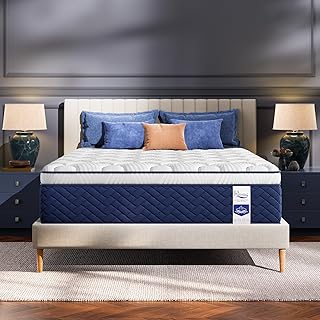
Firm 12″ Hybrid Queen with Lumbar & Hip Support
A sensible entry point: a 12-inch hybrid with deliberate reinforcement under the lumbar and hip zones, so the heaviest part of the body doesn’t dictate spinal alignment. Best suited to back sleepers and lighter-to-average-weight sleepers who want firm support without a slab-like feel, backed by a 365-night trial.
King 14″ Extra Firm Hybrid
The most assertive option here, pairing a tall coil core with extra lumbar and hip reinforcement and cooling comfort layers up top. I’d recommend it for heavier back and stomach sleepers, or couples who’ve found that every “firm” bed they’ve owned eventually sagged into a trough down the middle.
Sleepmax Extra Firm Full 12″
A practical bed-in-a-box choice for smaller rooms and guest bedrooms that still need to be kind to a sore back, with fiberglass-free, CertiPUR-US certified construction. It’s explicitly built for both back and side sleepers, making it the safer pick if your position changes through the night.
BedStory Extra Firm Queen 14″
Strong pocketed-coil support with notably low motion transfer, which makes it my pick for pain sufferers sharing a bed — fewer disturbances means fewer awkward, half-awake shifts into positions that aggravate the lumbar spine. Firm enough for stomach sleepers, though dedicated side sleepers may find it uncompromising.
BedStory Firm 13″ Zoned Lumbar Queen
This is the one I’d hand to most people: zoned lumbar support under a hotel-style comfort layer, giving firm structural support with enough surface give to stay comfortable for combination sleepers. A genuinely well-balanced compromise between spinal alignment and pressure relief.
Frequently Asked Questions
Is a firmer mattress always better for lower back pain?
No. Research generally favours medium-firm to firm over extra firm for chronic low back pain, because a surface that’s too rigid concentrates pressure at the shoulders and hips and leaves the lumbar curve unsupported.
How long before a new mattress helps my back?
Give it two to four weeks for the materials to break in and your body to adapt, and up to eight before deciding. Mild transitional stiffness in the first fortnight is common and not a reason to return it.
Can a mattress topper fix my current bed instead?
A topper can improve surface comfort, but it can’t restore a failing support core. If your mattress dips visibly or is over eight years old, replacement is the more effective route.
Does my bed base matter?
Considerably. Hybrids need firm, evenly spaced slats — ideally under three inches apart — or a solid platform. A sagging base will undermine even an excellent mattress and void many warranties.
Final Thoughts
For most people with lower back pain, the BedStory Firm 13″ Zoned Lumbar Queen strikes the best balance of structural support and comfort, while the Firm 12″ Hybrid with Lumbar & Hip Support covers the same ground at a friendlier entry point. If you’re heavier, a stomach sleeper, or you’ve simply worn out softer beds before, step up to the King 14″ Extra Firm Hybrid — and use the full trial period to let your back give you a verdict.