Key takeaways
- Film-forming vs. penetrating: Film finishes like water-based polyurethane sit on top of the wood and shrug off spills; penetrating oils soak in and feel like bare timber. Films resist moisture better, oils repair invisibly. Decide which failure mode you’d rather live with.
- Heat and moisture tolerance: A dining surface will meet hot mugs and wet glasses weekly. Look for finishes explicitly rated for tabletops and countertops rather than general “furniture” products, which are often tuned for vertical surfaces.
- Odor, VOCs, and cure time: Ask how long the product smells, not just how long it dries. Water-based and plant-oil finishes typically clear the air in a day or two; heavy solvent varnishes can linger for a week, which matters enormously in apartments and open floor plans.
- Repairability without a full strip: Oil-based hardwax and monocoat systems let you scuff and re-oil a single damaged zone. Polyurethane films require sanding a whole panel to blend a repair. Households with young kids should bias toward spot-repairable finishes.
- Food-contact safety once cured: Nearly all finishes are inert after full cure, but if children eat directly off the wood, choose a product with a clearly documented non-toxic formulation and observe the manufacturer’s full cure window, not the light-use window.
What's inside
A dining table absorbs more abuse than almost any other piece of furniture in a home: hot casserole dishes, sweating tumblers, homework pencils, birthday candle wax, and the slow daily grind of plates being slid across the surface. Choosing a finish is what separates a table that looks better in ten years from one that develops cloudy white rings by month three. The trouble is that the aisle labeled “wood finish” contains products with wildly different chemistries, cure times, repairability, and indoor air impact — and most packaging does a poor job explaining which is which.
This guide approaches the decision the way I’d approach any product that lives in a room where your family breathes for hours a day: durability first, but low-odor and low-VOC formulations weighted heavily, because a finish that off-gasses for weeks in an open-plan home can genuinely disrupt the air quality of adjoining bedrooms and make the house feel stuffy at night. Below you’ll find the finishes I recommend for dining tables in 2026, a straightforward buying framework, and two solid tables worth finishing in the first place.
As an Amazon Associate we earn from qualifying purchases.




🛒 Best Price Today on Amazon
Prime members get fast, free shipping on everything above, plus member-only deals. New members get a 30-day free trial — cancel anytime.
How to Choose a Wood Finish For Dining Room Table (2026)
- Film-forming vs. penetrating: Film finishes like water-based polyurethane sit on top of the wood and shrug off spills; penetrating oils soak in and feel like bare timber. Films resist moisture better, oils repair invisibly. Decide which failure mode you’d rather live with.
- Heat and moisture tolerance: A dining surface will meet hot mugs and wet glasses weekly. Look for finishes explicitly rated for tabletops and countertops rather than general “furniture” products, which are often tuned for vertical surfaces.
- Odor, VOCs, and cure time: Ask how long the product smells, not just how long it dries. Water-based and plant-oil finishes typically clear the air in a day or two; heavy solvent varnishes can linger for a week, which matters enormously in apartments and open floor plans.
- Repairability without a full strip: Oil-based hardwax and monocoat systems let you scuff and re-oil a single damaged zone. Polyurethane films require sanding a whole panel to blend a repair. Households with young kids should bias toward spot-repairable finishes.
- Food-contact safety once cured: Nearly all finishes are inert after full cure, but if children eat directly off the wood, choose a product with a clearly documented non-toxic formulation and observe the manufacturer’s full cure window, not the light-use window.
The Best Wood Finish For Dining Room Table (2026)s Reviewed
Tried & True Superior Varnish Oil
A polymerized linseed oil and pine resin blend with no petroleum solvents, this is my first recommendation for anyone sensitive to fumes — it smells faintly of oil paint and clears within a day. It builds a genuinely tough, scratch-resistant sheen over three or four thin coats, though it demands patience between them.
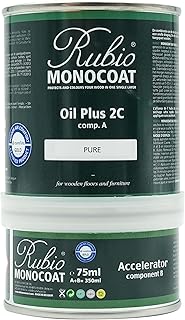
Rubio Monocoat Oil Plus 2C
A two-component molecular-bonding oil that cures in a single application, which makes it the most forgiving option for first-time refinishers who fear lap marks and streaks. It leaves an exceptionally natural, matte texture and lets you spot-repair a water mark years later with a dab of oil and a white pad.
Minwax Polycrylic Protective Finish
The pragmatic choice when maximum spill resistance outranks tactile beauty. This water-based film dries fast, stays clear over pale woods instead of ambering, and carries a mild odor that dissipates in hours rather than days — a meaningful advantage if the table sits near sleeping quarters.
PIPIHUA Beeswax Polish and Conditioner
Not a standalone finish for a hardworking tabletop, but the best maintenance product on this list. Applied quarterly over an oiled surface, it restores depth, resists light moisture, and buffs out the micro-scratches that make an older table look tired.
Signature Design by Ashley Ralene Extendable Table
If you’re starting from scratch, this veneered extendable table with a self-storing butterfly leaf seats eight and arrives pre-finished. Note that veneer over engineered wood tolerates a wax or topcoat refresh but should never be aggressively sanded.
Frequently Asked Questions
How many coats does a dining table need?
Three thin coats is the practical minimum for oils and films alike; four gives real insurance on the center of the table where dishes land. Thin coats always outperform thick ones.
Will a finish make my dining room smell for weeks?
Only if you choose a solvent-heavy varnish. Water-based and plant-oil products typically stop off-gassing noticeably within 24 to 48 hours with a window cracked and a fan running.
Can I apply oil over an existing polyurethane finish?
No. Penetrating oils need open wood pores, so the old film must be sanded off entirely first. Otherwise the oil sits on the surface and stays tacky.
How long before we can actually eat on it?
Light use after 24 to 72 hours depending on the product; full cure and full water resistance usually takes seven to fourteen days. Use placemats during that window.
Final Thoughts
For most dining rooms, Tried & True Superior Varnish Oil delivers the best balance of durability, natural feel, and negligible odor, while Rubio Monocoat Oil Plus 2C is the smartest pick for beginners who want one-coat simplicity and easy future repairs. If your household prioritizes bulletproof spill protection above all, reach for Minwax Polycrylic and keep a bottle of PIPIHUA beeswax polish on hand for seasonal upkeep.