Key takeaways
- Length per seated adult: Budget roughly 24 inches of edge per person and at least 12 inches of depth in front of each place setting. A 47-inch top comfortably seats four; 55 inches handles four with room to breathe or six in a squeeze; 63 inches is the honest six-seater. Undersized tables are the single biggest reason people abandon sit-down dinners.
- Leg placement over leg style: Sculpted or fluted legs look beautiful in photos, but check where they meet the apron. Legs set flush to the corners let you slide chairs cleanly underneath; legs inset a few inches steal a seat. For benches, prioritize a trestle or pedestal base with open floor space.
- Finish sheen and evening light: Matte and low-satin finishes diffuse light from pendants and dimmed fixtures, which keeps the eating zone visually calm. High-gloss tops throw specular glare that reads as brighter than it is — counterproductive if you’re trying to keep the last hour before bed dim and low-stimulation.
- Wood species and real-world durability: Oak, ash, and rubberwood resist dents better than pine or paulownia, which are lighter and cheaper but mark easily. Ask whether “solid wood” means the entire top or just a veneer over engineered board — the listing language often tells you if you read past the headline.
- Assembly and long-term serviceability: Look for bolt-through hardware with metal-to-metal connections rather than cam locks or dowels alone. Tables that can be re-tightened after a year of use stay silent; tables that can’t develop the small shifts and knocks that make a room feel unsettled.
What's inside
Most people shop for a dining table by measuring the room and eyeballing the finish. As someone who spends their working hours studying how households wind down, I’d argue there’s a quieter variable worth weighing: the table is where your evening actually begins. The last real meal of the day sets the timing signal for everything that follows — how quickly you settle, how long you sit upright before slumping onto the sofa, whether dinner becomes a fifteen-minute refueling stop or an hour of low-light conversation. A cramped, wobbly, or unwelcoming surface pushes families toward eating fast, eating late, or eating in front of a screen. All three tend to show up later as restless nights.
Solid wood earns its place here for reasons beyond looks. It’s warm to the touch rather than cold like glass or stone, it doesn’t bounce harsh overhead light back into your eyes, and it holds up to decades of nightly use without the flex and creak that make a table feel temporary. This guide covers what to prioritize in 2026 — sizing, leg geometry, finish behavior, extension mechanics — and then walks through six solid-wood tables worth a serious look, from compact apartment rectangles to a genuinely clever expandable option for households that host.
As an Amazon Associate we earn from qualifying purchases.


🛒 Best Price Today on Amazon
Prime members get fast, free shipping on everything above, plus member-only deals. New members get a 30-day free trial — cancel anytime.
How to Choose a Wood Dining Room Table (2026)
- Length per seated adult: Budget roughly 24 inches of edge per person and at least 12 inches of depth in front of each place setting. A 47-inch top comfortably seats four; 55 inches handles four with room to breathe or six in a squeeze; 63 inches is the honest six-seater. Undersized tables are the single biggest reason people abandon sit-down dinners.
- Leg placement over leg style: Sculpted or fluted legs look beautiful in photos, but check where they meet the apron. Legs set flush to the corners let you slide chairs cleanly underneath; legs inset a few inches steal a seat. For benches, prioritize a trestle or pedestal base with open floor space.
- Finish sheen and evening light: Matte and low-satin finishes diffuse light from pendants and dimmed fixtures, which keeps the eating zone visually calm. High-gloss tops throw specular glare that reads as brighter than it is — counterproductive if you’re trying to keep the last hour before bed dim and low-stimulation.
- Wood species and real-world durability: Oak, ash, and rubberwood resist dents better than pine or paulownia, which are lighter and cheaper but mark easily. Ask whether “solid wood” means the entire top or just a veneer over engineered board — the listing language often tells you if you read past the headline.
- Assembly and long-term serviceability: Look for bolt-through hardware with metal-to-metal connections rather than cam locks or dowels alone. Tables that can be re-tightened after a year of use stay silent; tables that can’t develop the small shifts and knocks that make a room feel unsettled.
The Best Wood Dining Room Tables (2026) Reviewed
55″ Solid Wood Rectangular Dining Table (Walnut, Fluted)
The fluted apron detail gives this one a mid-century presence that punches well above its footprint, and the walnut tone reads rich under warm bulbs without any glossy hotspots. At 55 inches it’s the sweet spot for apartments — genuinely comfortable for four, workable for six on holidays.
63″ Solid Wood Farmhouse Dining Table (Natural Brown)
Heavy-duty legs and a full 63-inch top make this the most straightforwardly practical pick for a family of six who eat together most nights. There’s nothing decorative happening here, which is precisely the point: it’s stable, deep enough for serving dishes down the center, and it disappears into whatever room you put it in.
Merrick Lane Finnley 47″ Solid Wood Dining Table
The sculpted legs are the standout feature, and the matte walnut finish is exactly the low-sheen surface I recommend for rooms where you’re dimming lights through the evening. At 47 inches it’s built for four and small spaces, so measure carefully before assuming it stretches.
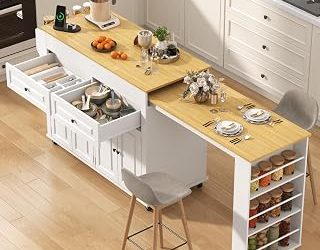
Transformer Table Solid Wood Extendable Dining Table (Natural)
Genuinely the most versatile table on this list — it collapses to a console and opens to seat twelve, all in solid wood rather than laminate. The premium is real, but so is the payoff for anyone who hosts occasionally in a home that can’t spare permanent square footage.
63″ Solid Wood Farmhouse Table (Rustic Brown)
Essentially the rustic sibling of the natural-brown six-seater, with a warmer, more weathered tone that hides everyday marks well. A sensible choice for households with young kids where the table earns scratches as a matter of course.
Frequently Asked Questions
Does eating at a table really affect sleep?
Indirectly, yes. Meal timing is one of the strongest non-light cues your circadian system uses, and sitting down at a set place tends to mean finishing earlier and eating more slowly than grazing on the couch. Both reduce the odds of going to bed mid-digestion.
How long should I wait between dinner and bed?
Aim for around three hours where your schedule allows. A table that’s pleasant to linger at helps here, because it front-loads the meal into the evening rather than pushing it toward bedtime.
Is solid wood worth it over veneer or engineered tops?
For a piece used daily across decades, generally yes — solid wood can be sanded and refinished, while veneer damage is usually permanent. Engineered tops make more sense for temporary setups or very tight budgets.
How do I keep a wood table from getting sticky or dull?
Wipe spills promptly with a damp cloth, skip silicone-based polishes, and use coasters under anything hot or wet. Oiled finishes want a light re-oil once or twice yearly; sealed finishes just want to be kept dry.
Final Thoughts
If you want one table that will outlast your current living arrangement, the Transformer Table extendable is the standout for its solid-wood construction and 2-to-12 flexibility. For everyday six-person dining without the premium, the 63-inch farmhouse table in natural brown is the most sensible buy on this list — and if you’re working with an apartment-sized room, the 55-inch fluted walnut delivers real design character in a footprint that actually fits.