Key takeaways
- Match the finish, not the color: Nearly all sofas sold today are finished (pigmented or aniline) leather, which tolerates water-based cleaners. Unfinished, suede, and nubuck do not — a drop of water on a hidden seam will tell you which you own in about ten seconds.
- Clean and condition as separate steps: A single bottle that promises both is fine for maintenance, but a genuinely dirty sofa needs surfactant first and oils second. Conditioning over trapped grime seals the dirt in.
- Insist on a low-odor, non-toxic formula: If you nap on the piece, or it sits in a bedroom or nursery, solvent smell lingers in soft furnishings for days and can measurably disrupt sleep onset. Water-based and fragrance-free wins.
- Check for UV protection: Sun-facing sofas lose color and flexibility faster than anything else short of pet claws. A formula with UV blockers slows the fading that no amount of later conditioning reverses.
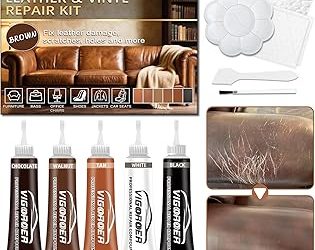
- Buy the kit if you own more than one leather item: Kits with applicator cloths and both bottles cost marginally more than a single spray and cover car seats, jackets, and bags on the same afternoon.
What's inside
Leather sofas rarely fail all at once. They fade in slow motion — a matte patch where a shoulder rests during the evening news, a stiffening along the seat edge, a faint stickiness that appears only in August. By the time most owners notice, the surface has already lost the oils that kept it supple, and the cracking that follows is structural rather than cosmetic. Wiping with a damp cloth removes the crumbs but does nothing for the hide underneath, and the all-purpose sprays under most kitchen sinks are alkaline enough to strip finish on contact.
I approach furniture the way I approach mattresses and pillows: as part of the room you actually rest in. A living-room sofa absorbs an enormous share of the average person’s downtime — the 20-minute nap, the hour before bed with a book — and what you rub into it becomes part of the air in that space. So this guide weighs two things at once: how effectively each product cleans and reconditions finished leather, and how pleasant it is to be around afterward. Low odor, non-toxic formulation, and a residue that doesn’t cling matter as much here as restored suppleness. Below are the products worth your money in 2026, followed by the criteria I use to separate genuine leather care from perfumed furniture polish.
As an Amazon Associate we earn from qualifying purchases.




🛒 Best Price Today on Amazon
Prime members get fast, free shipping on everything above, plus member-only deals. New members get a 30-day free trial — cancel anytime.
How to Choose a Thing To Clean Leather Sofa (2026)
- Match the finish, not the color: Nearly all sofas sold today are finished (pigmented or aniline) leather, which tolerates water-based cleaners. Unfinished, suede, and nubuck do not — a drop of water on a hidden seam will tell you which you own in about ten seconds.
- Clean and condition as separate steps: A single bottle that promises both is fine for maintenance, but a genuinely dirty sofa needs surfactant first and oils second. Conditioning over trapped grime seals the dirt in.
- Insist on a low-odor, non-toxic formula: If you nap on the piece, or it sits in a bedroom or nursery, solvent smell lingers in soft furnishings for days and can measurably disrupt sleep onset. Water-based and fragrance-free wins.
- Check for UV protection: Sun-facing sofas lose color and flexibility faster than anything else short of pet claws. A formula with UV blockers slows the fading that no amount of later conditioning reverses.
- Buy the kit if you own more than one leather item: Kits with applicator cloths and both bottles cost marginally more than a single spray and cover car seats, jackets, and bags on the same afternoon.
The Best Thing To Clean Leather Sofa (2026)s Reviewed
Weiman Leather Cleaner & Conditioner, 12 oz
The most sensible entry point: a one-bottle spray that lifts light soil and leaves behind UV protection without the greasy film cheaper conditioners deposit. Odor dissipates within an hour or two, which makes it the safest choice for a sofa you’ll be lying on the same evening.
Weiman Leather Cleaner & Conditioner, 2-Pack 22 oz
Identical chemistry in a volume that actually matches a three-seater plus a car interior — worth choosing if you intend to keep to a real quarterly schedule rather than a heroic annual scrub. Two bottles also let you keep one in the garage and one indoors, which is half the battle with maintenance.
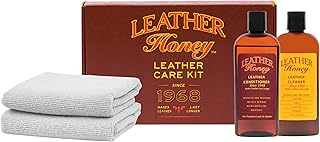
Leather Honey Complete Leather Care Kit
The cleaner-and-conditioner pairing I recommend most often for neglected sofas, largely because the conditioner is a genuinely penetrating formula rather than a surface gloss, and it’s non-toxic with almost no scent. It darkens some hides slightly on first application, so test an arm’s underside and let it dry fully before judging.
Leather Cleaner and Conditioner Kit, 4-Piece Set
A well-judged bundle for anyone who dislikes improvising with kitchen rags: dedicated cleaner, conditioner, and applicators that keep product off your hands and out of the weave. Performance is solidly mid-pack, but the completeness makes the job likelier to happen.
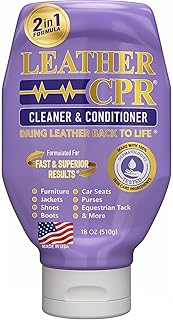
Leather CPR Cleaner and Conditioner, 18 oz
The strongest single-bottle restorer here, with enough cleaning power to bring back shine and color on a sofa that has gone dull and slightly stiff. Use it sparingly on light-colored hides and buff thoroughly, as heavier applications can feel tacky until fully absorbed.
Frequently Asked Questions
How often should I clean a leather sofa?
Dust weekly with a dry microfiber cloth, and do a full clean-and-condition every three to six months — closer to three if the room gets direct sun, has low humidity, or hosts pets.
Can I use baby wipes or dish soap?
No. Baby wipes contain surfactants and preservatives that degrade topcoat over time, and dish soap is alkaline enough to strip protective finish, leaving the hide thirsty and prone to cracking.
Will conditioner make my sofa slippery or smelly?
Properly applied and buffed, no. Slipperiness and lingering odor both indicate over-application; use a thin coat, wait 15 minutes, then buff with a clean dry cloth.
Is it safe to use in a bedroom?
Choose a water-based, non-toxic, fragrance-free option — Leather Honey being the obvious candidate — ventilate the room, and let the surface cure for a few hours before sleeping nearby.
Final Thoughts
For most households, the Weiman 12 oz spray is the easiest habit to sustain and the least intrusive on a room you rest in. If your sofa is already dry or cracking, step up to the Leather Honey Complete Care Kit for deep reconditioning, or reach for Leather CPR when you need visible restoration of shine and color in a single session.