Key takeaways
- Steam vs. extraction: Pressurized handhelds sanitize and lift surface grime but leave moisture in the fabric; extraction machines inject solution and vacuum it back out, which is what you want for set-in stains, pet accidents, and anything odor-related.
- Heat-up and pressure control: A 15-second heat-up keeps you from abandoning the job halfway. Adjustable pressure levels matter even more — velvet and linen scorch at settings that microfiber shrugs off.
- Drying time: Anything you plan to sit on tonight needs to dry within a few hours. Damp upholstery breeds mildew, and mildew is a documented sleep disruptor for allergy sufferers. Prioritize strong suction or low-moisture steam output.
- Tank size versus weight: A 500mL tank cleans a three-seater without refills, but you’ll feel every ounce by the third cushion. Under two pounds is genuinely easier to control on vertical backrests and arms.
- Attachments that fit crevices: Seams and cushion gaps hold the most debris. Narrow crevice tools and brass-free brush heads do the real work; a bag of twenty generic nozzles does not.
What's inside
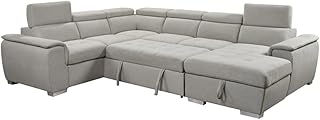
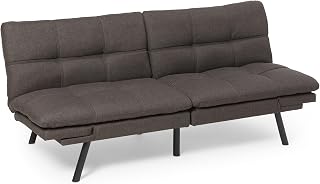
Your sofa is probably the second-most-used piece of furniture in your home, right behind your mattress — and from a sleep-wellness standpoint, that matters more than most people realize. Evening wind-down happens on the couch. So do naps, movie nights, and the slow drift into drowsiness that precedes actual bedtime. Yet upholstery quietly accumulates skin cells, pet dander, spilled food, and the dust-mite populations that feed on all of it. If you sneeze during your last hour awake, or wake up with a scratchy throat after falling asleep on the sectional, the fabric under you deserves scrutiny.
Steam is the most practical home remedy, because heat above roughly 200°F disrupts dust mites and breaks down the oily residues that trap odor — without leaving behind detergent films that can irritate airways. This guide covers what actually separates a capable upholstery steamer from a novelty gadget in 2026, then reviews the strongest options across handheld pressurized units and extraction machines, so you can match a tool to your fabric, your budget, and how badly your couch needs help.
As an Amazon Associate we earn from qualifying purchases.


🛒 Best Price Today on Amazon
Prime members get fast, free shipping on everything above, plus member-only deals. New members get a 30-day free trial — cancel anytime.
How to Choose a Sofa Steam Cleaner (2026)
- Steam vs. extraction: Pressurized handhelds sanitize and lift surface grime but leave moisture in the fabric; extraction machines inject solution and vacuum it back out, which is what you want for set-in stains, pet accidents, and anything odor-related.
- Heat-up and pressure control: A 15-second heat-up keeps you from abandoning the job halfway. Adjustable pressure levels matter even more — velvet and linen scorch at settings that microfiber shrugs off.
- Drying time: Anything you plan to sit on tonight needs to dry within a few hours. Damp upholstery breeds mildew, and mildew is a documented sleep disruptor for allergy sufferers. Prioritize strong suction or low-moisture steam output.
- Tank size versus weight: A 500mL tank cleans a three-seater without refills, but you’ll feel every ounce by the third cushion. Under two pounds is genuinely easier to control on vertical backrests and arms.
- Attachments that fit crevices: Seams and cushion gaps hold the most debris. Narrow crevice tools and brass-free brush heads do the real work; a bag of twenty generic nozzles does not.
The Best Sofa Steam Cleaners (2026) Reviewed
Shark StainStriker PX221
This is the pick for households with pets or small children, because it extracts rather than merely steams — the OXY formula and 3.5-inch stain tool pull discoloration out of the fabric instead of pushing it deeper. The self-clean cycle is the underrated feature here, since a dirty machine reintroduces exactly the bacteria you’re trying to eliminate.
Uwant Carpet & Upholstery Cleaner
With 18Kpa suction and a hot, cold, and steam water system, this is the closest thing to professional service you can park in a closet. It’s the right investment if you own a large sectional or have inherited a sofa with unknown history, and the strong extraction means it dries fast enough to use the same evening.
2500W High-Pressure Handheld Steamer
Serious thermal output with six adjustable pressure levels and a 15-second warm-up, which makes it versatile across upholstery, grout, and window tracks. Start on the lowest setting and test an inside seam first — this much pressure will mark delicate weaves if you get impatient.
Portable Steamer with 16-Piece Accessory Set
The best generalist for most homes: adjustable output, quick heat-up, and enough attachments to move from sofa cushions to car seats and kitchen surfaces without buying a second machine. A sensible first steamer if you’re establishing a seasonal deep-clean routine rather than fighting a specific disaster.
2 LB Handheld Steamer, 3-Second Heat-Up
At two pounds with near-instant heat, this is the unit you’ll actually reach for on a Tuesday night — and consistency beats power when it comes to dust-mite control. The easy refill design suits frequent short sessions over marathon cleanings.
Frequently Asked Questions
Can steam cleaning really reduce dust mites in a sofa?
Yes. Dust mites and their allergen-carrying waste break down at sustained temperatures above about 130°F, and household steamers exceed that considerably. Pair steaming with regular vacuuming, since heat kills mites but doesn’t remove the residue they leave behind.
Is it safe to steam every type of upholstery?
No. Check the manufacturer’s tag: “W” and “WS” codes tolerate water-based cleaning, while “S” means solvent-only and “X” means vacuum only. Leather, silk, and most velvets should be left to professionals.
How long before I can sit on it again?
Two to six hours with a handheld steamer, faster with an extraction machine. Open a window or run a fan across the cushions — trapped humidity is what causes musty odors to return.
How often should I clean my sofa?
Deep clean every four to six months, or quarterly if you have pets, allergies, or someone in the household who regularly falls asleep on the couch. Spot-treat spills immediately, before they oxidize.
Final Thoughts
For most households, the Shark StainStriker PX221 offers the best balance of genuine extraction power and manageable size, while the Uwant machine is the clear choice if you’re restoring a large or heavily used sofa. If you simply want a low-friction tool for regular maintenance — the kind of habit that actually improves the air in your living room — the 2 LB handheld steamer with 3-second heat-up will see far more use than something bulkier.