Key takeaways
- Washability over stain “resistance”: Treated fibers repel spills for a season, then stop. A rug you can put through a home washer stays hygienic for years, which matters most if the entry connects to bedrooms or a nursery.
- Pile height under half an inch: Low-profile polyester and flatweave blends release trapped soil during vacuuming instead of burying it. Deep shag looks plush and behaves like a filter you can never empty.
- Drying speed: Damp natural fibers like untreated jute and wool hold moisture near the backing, which invites musty odors. Synthetics and cotton blends dry in hours, keeping the air near your entry cleaner.
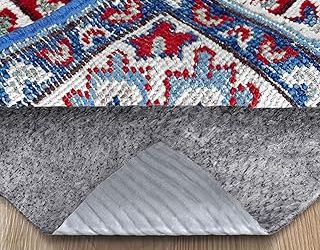
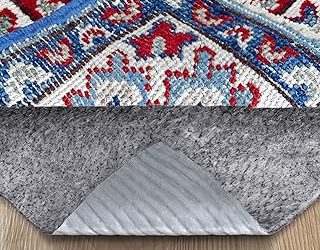
- Rubber or TPR backing, not latex foam: Solid rubber grips hard floors without crumbling or leaving residue. Cheap foam breaks down within months and creates the shifting edge that causes falls.
- Sizing to the traffic pattern: Aim for at least two full strides of coverage. A 2×3 handles a single door; a 3×5 or 5×8 is right for wide foyers or entries that open into a living space.
What's inside
Most people think of the bedroom as the only room that affects how well they sleep. In practice, rest begins the moment you walk through your front door — and the first surface your feet meet has more influence than it gets credit for. An entryway rug that sheds grit, holds moisture, or slides underfoot quietly works against you: it tracks outdoor allergens deeper into the house, adds one more thing to trip over during a midnight water run, and turns the threshold into a source of low-grade irritation instead of a signal to decompress.
The variable that decides all of this is material. Fiber choice determines whether a rug traps dust or releases it, dries overnight or stays damp for days, softens acoustics or amplifies every footstep. This guide breaks down the fibers and constructions worth your money in 2026, explains what to prioritize for a genuinely low-maintenance threshold, and reviews the specific washable rugs and door mats that hold up to daily traffic without becoming a chore.
As an Amazon Associate we earn from qualifying purchases.


🛒 Best Price Today on Amazon
Prime members get fast, free shipping on everything above, plus member-only deals. New members get a 30-day free trial — cancel anytime.
How to Choose a Material For Entryway Rug (2026)
- Washability over stain “resistance”: Treated fibers repel spills for a season, then stop. A rug you can put through a home washer stays hygienic for years, which matters most if the entry connects to bedrooms or a nursery.
- Pile height under half an inch: Low-profile polyester and flatweave blends release trapped soil during vacuuming instead of burying it. Deep shag looks plush and behaves like a filter you can never empty.
- Drying speed: Damp natural fibers like untreated jute and wool hold moisture near the backing, which invites musty odors. Synthetics and cotton blends dry in hours, keeping the air near your entry cleaner.
- Rubber or TPR backing, not latex foam: Solid rubber grips hard floors without crumbling or leaving residue. Cheap foam breaks down within months and creates the shifting edge that causes falls.
- Sizing to the traffic pattern: Aim for at least two full strides of coverage. A 2×3 handles a single door; a 3×5 or 5×8 is right for wide foyers or entries that open into a living space.
The Best Material For Entryway Rug (2026), Reviewed
Washable 2×3 Vintage Entryway Rug, Beige
A soft, faded-neutral runner in a machine-washable synthetic weave that reads far more expensive than it is. The muted beige hides the inevitable shoe scuffs between washes, and the low profile means the door clears it without dragging.
Non-Slip 24″x36″ Rubber-Backed Door Mat, Khaki
This is the workhorse of the group: an absorbent low-pile face over genuine rubber backing, engineered to pull water and grit off shoes before they travel. If your entry sees rain, snow, or pets, start here and layer something decorative behind it.
Lahome Floral Washable Rug, Black Paisley
The dark paisley print is the most forgiving pattern here — dirt and pet hair disappear against it, which buys you time between laundry cycles. It washes clean and dries flat without curling at the corners.
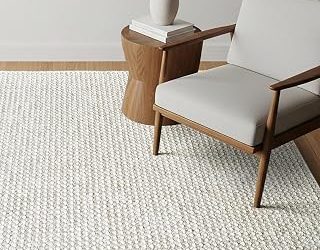
Unique Loom Flatweave Indoor/Outdoor Rug, Light Gray/Ivory
A tight polypropylene flatweave built to shrug off UV, humidity, and hose-downs, making it ideal for covered porches or entries with a lot of glass. At 3’3″ x 5’3″ it covers a proper landing zone rather than a single step.
Lahome Moroccan Trellis Door Mat, Blue
Understated geometry and a calm blue palette give this one a quieting effect that suits a threshold you pass through last thing at night. Same washable construction and grippy backing as the rest of the Lahome line.
Frequently Asked Questions
Which entryway rug material is easiest to keep clean?
Machine-washable polyester and polypropylene blends, hands down. They release soil in a normal cold wash, tolerate repeated cycles, and dry fast enough to be back down the same evening.
Is jute or sisal a good choice for a front door?
Only in dry, covered conditions. Both are beautiful and coarse enough to scrape shoes, but they absorb water readily and can develop odor and mildew if they never fully dry.
Do I still need a rug pad if the backing is non-slip?
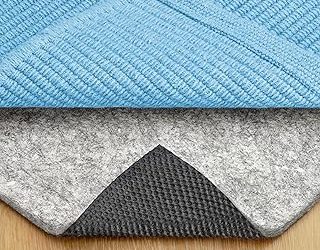
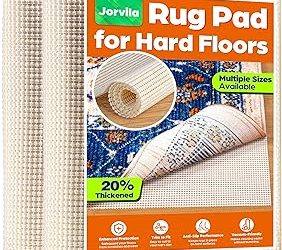
On sealed hardwood or tile, a rubber-backed mat usually stays put on its own. On luxury vinyl plank or radiant-heated floors, add a thin felt-and-rubber pad to prevent discoloration over time.
How often should an entry rug be washed?
Every three to four weeks for a busy household, monthly otherwise, with a quick vacuum twice a week in between. Regular washing is the single best way to keep outdoor allergens from migrating toward sleeping areas.
Final Thoughts
If you buy one thing, make it the Non-Slip 24″x36″ Rubber-Backed Door Mat — it does the actual work of stopping dirt at the door. Pair it with the Washable 2×3 Vintage Rug in Beige for a softer landing inside, or size up to the Unique Loom Flatweave if your entry opens into a living space and needs real coverage.