Key takeaways
- Fiber resilience: Wool leads because each fiber has natural crimp that springs back after compression, which is why handmade wool rugs recover from furniture dents and footfall better than anything synthetic. Polypropylene is the practical runner-up: it won’t rebound quite as well, but it resists staining and fading with almost comic stubbornness.
- Pile height and density: Density beats height. A tightly packed low pile keeps grit on the surface where a vacuum can reach it, while a loose deep pile lets abrasive particles settle at the base and saw through the yarn. If you want plush, choose a shag with a dense, well-anchored backing rather than a sparse one.
- Shedding and backing: Non-shedding construction and a jute or woven backing signal that the yarn is properly locked in. Cheap latex backings crumble after a few years of flexing, especially in doorways where the rug takes repeated torque from turning feet.
- Cleanability under real conditions: Assume spills, pet accidents, and mud. Stain-resistant synthetics let you spot-clean aggressively; wool tolerates water but dislikes harsh alkaline cleaners. Match the fiber to how forgiving you need to be.
- Acoustic and thermal payoff: If the rug sits in or near a sleeping zone, thickness is a feature, not a luxury. A two-inch pile over a felt pad meaningfully cuts footstep noise transmitting through floors — a genuine win in apartments and upstairs hallways.
What's inside
Foot traffic is a slow, patient force. It doesn’t ruin a rug in a weekend — it flattens the pile a little each month, grinds grit into the fibers, and leaves a dull gray path from the doorway to the sofa that no amount of vacuuming lifts. Most shoppers only discover this after the fact, which is why the same question surfaces again and again: which rug material actually survives the hallway, the entry, the landing outside the bedroom door? The honest answer is that “durable” is a property of construction and fiber together, not a marketing word, and the difference between a rug that looks good for eight years and one that looks tired by month fourteen is usually decided before you ever add it to your cart.
I come at this from an unusual angle: I spend most of my professional life thinking about sleep environments, and rugs turn out to matter more there than people expect. A rug underfoot dampens impact noise from footsteps and closing doors, softens the hard reflections that make a bedroom or upstairs hallway feel acoustically brittle, and gives bare feet a warm landing during a 3 a.m. trip to the bathroom — all of which quietly protect sleep continuity. Below I break down the fibers and constructions that hold up to real traffic, then review the specific rugs worth your attention in 2026, with notes on where each one earns its keep in a home where someone is trying to get decent rest.
As an Amazon Associate we earn from qualifying purchases.


🛒 Best Price Today on Amazon
Prime members get fast, free shipping on everything above, plus member-only deals. New members get a 30-day free trial — cancel anytime.
How to Choose a Rug Material For High-Traffic Area (2026)
- Fiber resilience: Wool leads because each fiber has natural crimp that springs back after compression, which is why handmade wool rugs recover from furniture dents and footfall better than anything synthetic. Polypropylene is the practical runner-up: it won’t rebound quite as well, but it resists staining and fading with almost comic stubbornness.
- Pile height and density: Density beats height. A tightly packed low pile keeps grit on the surface where a vacuum can reach it, while a loose deep pile lets abrasive particles settle at the base and saw through the yarn. If you want plush, choose a shag with a dense, well-anchored backing rather than a sparse one.
- Shedding and backing: Non-shedding construction and a jute or woven backing signal that the yarn is properly locked in. Cheap latex backings crumble after a few years of flexing, especially in doorways where the rug takes repeated torque from turning feet.
- Cleanability under real conditions: Assume spills, pet accidents, and mud. Stain-resistant synthetics let you spot-clean aggressively; wool tolerates water but dislikes harsh alkaline cleaners. Match the fiber to how forgiving you need to be.
- Acoustic and thermal payoff: If the rug sits in or near a sleeping zone, thickness is a feature, not a luxury. A two-inch pile over a felt pad meaningfully cuts footstep noise transmitting through floors — a genuine win in apartments and upstairs hallways.
The Best Rug Material For High-Traffic Area (2026)s Reviewed
SAFAVIEH Metro Handmade Wool Rug (10′ x 14′)
This is the reference point for anyone who wants a rug that ages rather than degrades: handmade wool with the natural resilience to shrug off years of traffic and furniture pressure. At 10′ x 14′ it also does serious acoustic work, which makes it my first recommendation for open-plan spaces that sit below or beside a bedroom.
Gertmenian Romi Boho Rug (8′ x 10′)
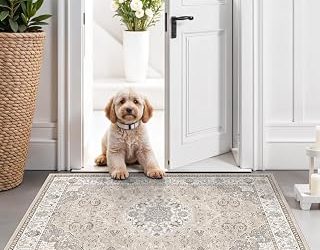
A sensible, stain-resistant, non-shedding synthetic in a warm beige that hides the traffic-lane graying synthetics are prone to showing. Best suited to dining rooms and family living rooms where spills are inevitable and you want to clean without hesitating.
SUPERIOR Rockwood Geometric Rug (8′ x 10′)
The jute-backed construction and flat, low profile make this the one I’d put in an entryway or a high-traffic corridor, where a plush pile would trap grit and a floppy backing would ripple underfoot. The slate colorway is forgiving about tracked-in dirt.
SAFAVIEH California Shag Rug (8′ x 10′)
Two inches of dense, easy-care shag deliver the softest landing on this list, and that thickness translates directly into quieter footsteps and warmer floors. Excellent beside a bed; less ideal directly inside a door where debris collects.
SAFAVIEH Hudson Shag Rug (5’3″ x 7’6″)
Same plush, non-shedding shag construction in a modern grey-and-beige trellis, sized for bedrooms, nurseries, and reading corners. The tonal pattern is genuinely useful for disguising the wear paths that show up on a solid pale rug.
Frequently Asked Questions
Is wool really worth the premium over polypropylene?
For longevity and recovery from crushing, yes — wool typically outlasts synthetics by years in a busy room. For sheer stain tolerance around toddlers and pets, polypropylene wins on peace of mind.
Do I need a rug pad?
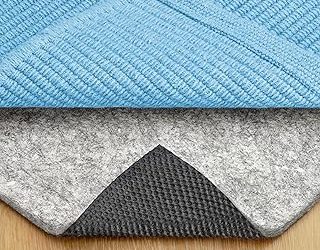
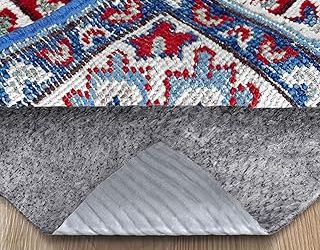
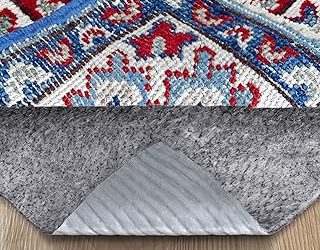
Always. A pad prevents the slipping that causes falls, absorbs abrasion that would otherwise grind the rug against the floor, and adds measurable sound dampening. It’s the cheapest way to extend a rug’s life.
Can a shag rug handle high traffic?
A dense, non-shedding shag can handle a busy bedroom or living room well. What it can’t handle is an entry point where sand and grit arrive daily — put a low-pile rug there instead.
How does a rug affect sleep quality?
Chiefly by reducing impact noise and reverberation, so household movement is less likely to trigger a micro-arousal. Thickness plus a felt pad matters more than fiber type for this purpose.
Final Thoughts
If you want one rug to last a decade in your busiest room, the SAFAVIEH Metro handmade wool is the clear investment pick. For high-spill zones where cleanability outranks pedigree, the Gertmenian Romi is the smarter buy, and for bedrooms where quiet and comfort are the point, the SAFAVIEH California Shag delivers the most rest per dollar.