Key takeaways
- Pile height and density: Density beats height every time in a busy corridor. A tightly packed low or medium pile springs back after compression, while a loose plush pile develops permanent traffic lanes within a season. If you want softness underfoot near a bed, look for a shag with a genuinely dense base rather than long, sparse fibers.
- Fiber and cleanability: Polypropylene and polyester dominate this category for good reason — they resist water-based staining, don’t absorb odor readily, and tolerate repeated spot cleaning. Machine-washable rugs are worth prioritizing in entryways, kitchens, and any room where allergens interfere with breathing at night.
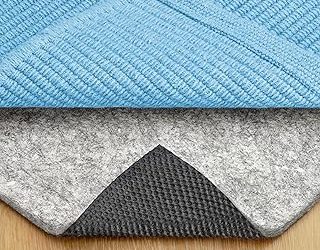
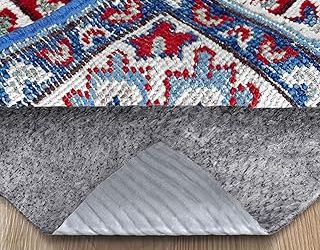
- Slip resistance: Any rug on a walking path needs to be anchored. Some arrive with a non-slip backing; most benefit from a separate felt-and-rubber pad, which also adds cushioning and dampens footstep noise. This is a safety item, not an accessory.
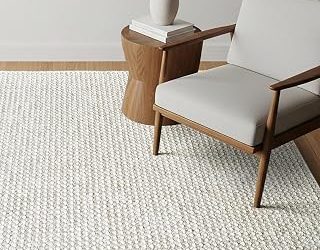
- Pattern that hides wear: Distressed medallions, trellis motifs, boho diamonds, and multi-tone stripes disguise crumbs, pet hair, and uneven fading far better than flat solids. A solid cream rug in a hallway is a maintenance commitment.
- Size relative to the path: Undersized rugs create tripping edges and shift constantly. Measure the actual walking route, then size up so furniture legs or door thresholds hold the perimeter down.
What's inside
High-traffic flooring is where most homes quietly fail. The hallway between the bedroom and the bathroom, the strip of living room in front of the sofa, the landing zone just inside the front door — these are the paths your household walks dozens of times a day, often barefoot, often half-awake. As someone who spends most of my working hours helping people build better sleep environments, I’ve learned that the floor underfoot matters more than people expect. A rug that mats down, curls at the corners, or slides on contact turns a 2 a.m. trip down the hall into a hazard, and the low-grade noise of hard floors is a genuine contributor to fragmented rest in shared homes.
This guide looks at durable area rugs through that lens: not just which ones survive foot traffic, but which ones stay quiet, stay put, stay clean, and still feel good against a bare foot. I’ve focused on pile construction, backing behavior, stain performance, and how each rug holds up in the rooms where traffic and rest overlap. Below you’ll find my current picks for 2026, followed by a practical buying framework and answers to the questions I get asked most.
As an Amazon Associate we earn from qualifying purchases.


🛒 Best Price Today on Amazon
Prime members get fast, free shipping on everything above, plus member-only deals. New members get a 30-day free trial — cancel anytime.
How to Choose a Rug For High Traffic Area (2026)
- Pile height and density: Density beats height every time in a busy corridor. A tightly packed low or medium pile springs back after compression, while a loose plush pile develops permanent traffic lanes within a season. If you want softness underfoot near a bed, look for a shag with a genuinely dense base rather than long, sparse fibers.
- Fiber and cleanability: Polypropylene and polyester dominate this category for good reason — they resist water-based staining, don’t absorb odor readily, and tolerate repeated spot cleaning. Machine-washable rugs are worth prioritizing in entryways, kitchens, and any room where allergens interfere with breathing at night.
- Slip resistance: Any rug on a walking path needs to be anchored. Some arrive with a non-slip backing; most benefit from a separate felt-and-rubber pad, which also adds cushioning and dampens footstep noise. This is a safety item, not an accessory.
- Pattern that hides wear: Distressed medallions, trellis motifs, boho diamonds, and multi-tone stripes disguise crumbs, pet hair, and uneven fading far better than flat solids. A solid cream rug in a hallway is a maintenance commitment.
- Size relative to the path: Undersized rugs create tripping edges and shift constantly. Measure the actual walking route, then size up so furniture legs or door thresholds hold the perimeter down.
The Best Rug For High Traffic Area (2026)s Reviewed
SAFAVIEH Brentwood Collection 9′ x 12′
This is my default recommendation for open-plan living areas that double as thoroughfares — the navy and light grey medallion is dense, low-profile, and forgiving of everything from muddy shoes to spilled tea. At 9′ x 12′ it’s large enough to sit under seating and hold its own edges flat, which eliminates the curling that causes most rug-related stumbles.
SAFAVIEH Hudson Shag Collection 6′ x 9′
A rare shag that earns its place in a high-traffic room: the two-inch pile delivers real acoustic damping and a genuinely pleasant barefoot feel, but the base is tight enough to resist flattening. In bedrooms it does double duty, muffling footfall for anyone sleeping and softening the first step out of bed.
JONATHAN Y Boho Vintage Diamond 8′ x 10′
The cream and grey Moroccan diamond pattern is the most versatile design here, and the non-shedding, pet-friendly construction means it won’t leave fiber dust on nearby surfaces — a meaningful detail if the rug shares a room with bedding. Easy cleaning and a flat profile make it a smart choice for hallways that open into bedrooms.
Rugshop Contemporary Stripe Lines 7’10” x 10′
The linear cream striping is quietly effective at concealing traffic lanes, since wear follows the pattern rather than fighting it. It’s a thin, lightweight rug, so pair it with a grippy pad, but the value at this size is hard to match for a dining room or home office.
3×5 Entryway High-Low Pile Washable Rug
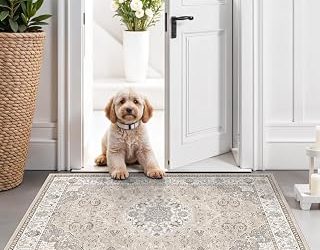
Fully washable and light enough to carry to the machine one-handed, this beige high-low textured rug is the practical answer for entryways, kitchen sinks, and bedside placement. Regular washing keeps dust and dander out of circulation, which matters if your sleep is sensitive to airborne irritants.
Frequently Asked Questions
Does a rug in the bedroom actually help sleep?
Indirectly, yes. Rugs reduce reverberation and absorb impact noise from footsteps and doors, which lowers the number of small arousals that fragment sleep in multi-person homes. They also make night-time movement quieter and safer.
How often should I clean a high-traffic rug?
Vacuum walked-on areas two or three times a week and rotate the rug every few months so wear distributes evenly. Machine-washable rugs benefit from a full wash quarterly, or monthly in entryways.
Are shag rugs a bad idea in busy rooms?
Not inherently. Avoid long, loose-fiber shags in corridors, but a dense, non-shedding shag with a firm base — like the Hudson — holds up well and adds sound absorption a flatweave can’t match.
Do I still need a rug pad?
Almost always. Even rugs with grip backing shift under directional foot traffic, and a felt pad extends pile life by absorbing compression while adding cushion and quiet.
Final Thoughts
If you want one rug that handles a genuinely busy household, the SAFAVIEH Brentwood 9′ x 12′ is the most complete choice — durable, forgiving, and correctly sized for real walking paths. For bedrooms and adjacent hallways where comfort and quiet matter as much as toughness, the SAFAVIEH Hudson Shag is my pick, while the JONATHAN Y Boho Vintage Diamond offers the best balance of style, low maintenance, and everyday resilience.