
Key takeaways
- Age Range Description: Adult
- Mount Type: Doorway Mount
- Item Dimensions W x H: 37"W x 20.2"H
The hidden cost of a doorway pull-up bar is drywall repair. A leverage-style bar transfers your body weight into two contact points: the padded arms pressing against the wall above the frame, and the crossbar hooking over the trim. Over a few hundred reps, that pressure crushes paint, dents soft trim, and on older plaster can crack the surface outright. None of this appears in the product photos, and it is the single most common regret people report after a year of use.
Whether that matters depends on your walls. Modern half-inch drywall with a solid header behind it tolerates the load fine with a bit of protection. Older homes with lath and plaster, or apartments with thin hollow-core casing, do not. This roundup evaluates doorway bars, a joist-mounted option, and a free-standing tower specifically on what they do to your house, because a bar that costs you a $300 patch job is not the bargain it looked like.
Our top picks
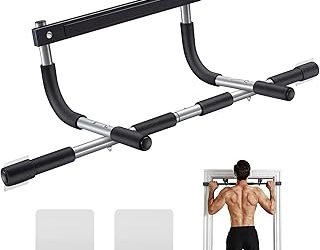
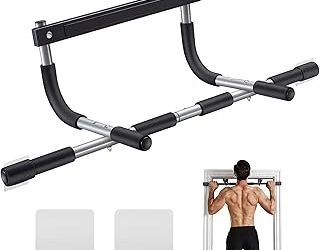
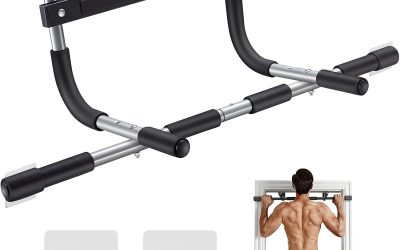
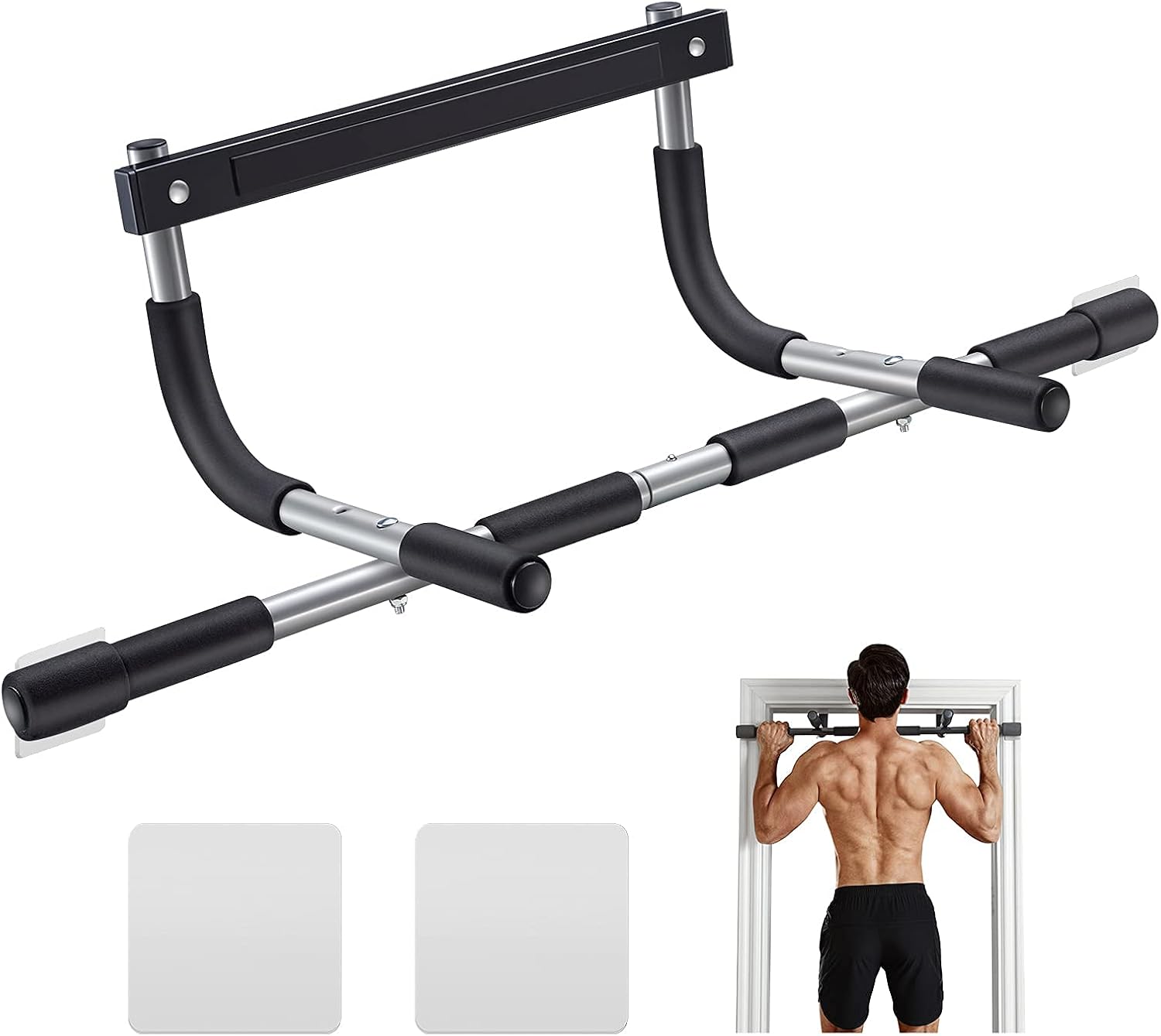 Ally Peaks Pull Up Bar for Doorway
- Age Range Description: Adult
- Mount Type: Doorway Mount
- Item Dimensions W x H: 37"W x 20.2"H
 Sportneer Pull Up Bar for Doorway
- Age Range Description: Adult
- Mount Type: Doorway Mount
- Item Dimensions W x H: 37.01"W x 6.69"H
| Product | Key specs | |
|---|---|---|
| Ally Peaks Pull Up Bar for Doorway | Age Range Description: Adult Mount Type: Doorway Mount Item Dimensions W x H: 37"W x 20.2"H | Check price |
| Sportneer Pull Up Bar for Doorway | Age Range Description: Adult Mount Type: Doorway Mount Item Dimensions W x H: 37.01"W x 6.69"H | Check price |
 Ally Peaks Pull Up Bar for Doorway Ally Peaks Pull Up Bar for Doorway | Check price | |
 2026 Upgrade Multi-Grip Pull Up Bar with 2026 Upgrade Multi-Grip Pull Up Bar with | Age Range Description: Adult Mount Type: Doorway Mount Item Dimensions W x H: 10.5"W x 2"H | Check price |
 SPORTSROYALS Free Standing Pull Up Bar SPORTSROYALS Free Standing Pull Up Bar | Warranty Description: 2-Year Warranty Maximum Weight Recommendation: 360 Pounds Warranty Type: No Warranty | Check price |
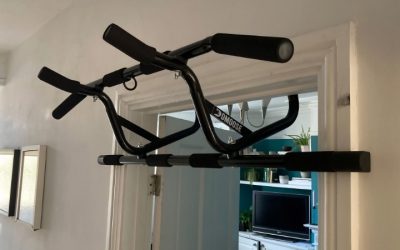
 Joist Mount Pull Up Bar Joist Mount Pull Up Bar | Age Range Description: Adult, Teen Mount Type: Ceiling Mount Item Dimensions W x H: 42.5"W x 12.9"H | Check price |
 Ally Peaks Pull Up Bar for Doorway Ally Peaks Pull Up Bar for Doorway | Check price | |
 Ally Peaks Pull Up Bar for Doorway Ally Peaks Pull Up Bar for Doorway | Check price |
As an Amazon Associate we earn from qualifying purchases at no extra cost to you.
Quick Comparison
| Product | Best For | Standout Feature | Watch Out For |
|---|---|---|---|
| Ally Peaks Multi-Grip Doorway Bar | Standard drywall frames | Broad padded contact spreads load over more wall | Padding compresses and leaves marks over time |
| Sportneer No-Drill Doorway Bar | Rental walls | Fits 29.5 to 37 in with no holes drilled | Repositioning repeatedly scuffs paint |
| Ally Peaks 440 lb Doorway Bar | Heavier users on solid frames | Thickened steel with a 440 lb rating | Higher load means higher wall pressure |
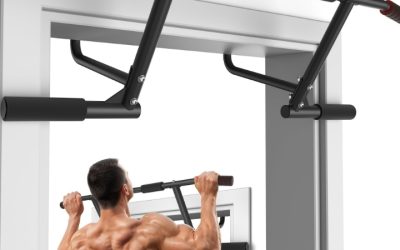
| Upgrade Multi-Grip Bar with Larger Hooks | Thicker or unusual trim | Enlarged hooks clear deep molding profiles | Hook contact concentrates force on trim edges |
| SPORTSROYALS Free Standing Power Tower | Zero wall contact | Self-supporting frame touches nothing but floor | Occupies roughly 4 by 4 feet permanently |
| Joist Mount Wall Pull Up Bar | Owners willing to drill | Anchors into framing, not surface material | Leaves permanent holes and needs stud location |
How to Choose
- Identify your wall type: Tap above the door frame. A hollow drum sound means drywall over a header; a dense thud suggests plaster or solid backing. Plaster is the one that cracks.
- Check the trim depth: Measure how far the casing protrudes from the wall. Bars with standard hooks need roughly a half inch or more of lip; deeper decorative molding needs the enlarged-hook designs.
- Add your own padding: A strip of thin closed-cell foam or a folded towel behind the leverage arms distributes force and prevents the shiny compressed marks that show up in raking light.
- Consider load direction: Kipping, swinging, and dropping off the bar all spike wall pressure well beyond your body weight. Controlled reps are gentler on the house as well as your shoulders.
- Weigh permanent versus temporary: Four drilled holes into a joist cause less cumulative damage than two years of a leverage bar grinding the same patch of paint.
Top Picks Reviewed
Gentlest on Drywall: Ally Peaks Multi-Grip Doorway Bar
The wide padded leverage arms are the relevant feature here. Spreading the reaction force across a larger area of wall meaningfully reduces the chance of denting drywall, and the multi-grip layout means you are not always loading it from the same angle.
The padding is a consumable. After a year of regular use it compresses flat and starts transferring pressure more directly, at which point you will see faint rectangles in the paint. Replacing or supplementing the foam is worth doing before that happens.
Best for Rentals: Sportneer No-Drill Doorway Bar
No fasteners, no anchors, no patching at move-out. It spans 29.5 to 37 inches, covering most interior door widths, and comes down in seconds when the landlord visits.
Removability cuts both ways. Every time you take it down and put it back slightly differently, you scuff a new patch of paint. Mark the position lightly in pencil and reuse the same spot.
Highest Capacity: Ally Peaks 440 lb Doorway Bar
The thickened steel construction and 440 lb rating give a real safety margin for heavier users and for anyone adding a weight belt. Structurally this is the confidence pick among the doorway options.
More capacity does not mean gentler walls. A 250 lb user generates proportionally more leverage force against the drywall than a 160 lb user, regardless of what the bar can hold. Pad the contact points accordingly.
Best for Deep Molding: Upgrade Multi-Grip Bar with Larger Hooks
Older homes often have casing thick enough that standard bar hooks will not seat properly. The enlarged hook geometry solves that specific and genuinely frustrating problem.
Those hooks also bear down on the top edge of the trim, and painted wood casing dents easily. A thin strip of leather or felt under each hook is a five-minute fix that saves the molding.
Zero Wall Damage: SPORTSROYALS Free Standing Power Tower
Nothing touches a wall, nothing gets drilled, and nothing gets crushed. For anyone who cares about the house more than about floor space, this ends the discussion, and it adds dip and knee-raise stations as a bonus.
It claims roughly a 4-by-4-foot footprint and stands over seven feet tall, so it is furniture now. Assembly runs an hour or more and it does not move easily once built.
Best Permanent Solution: Joist Mount Wall Pull Up Bar
Bolted into actual framing, this transfers load where the house is designed to carry it. There is no crushing, no compressing pad, and no slow degradation of a painted surface. For an owner, it is the least damaging option in the long run.
You need a stud finder, a drill, and the willingness to leave four permanent holes. Mount into surface drywall rather than framing and you will pull the bar out of the wall.
Frequently Asked Questions
Will a doorway pull-up bar damage my door frame?
With intact drywall and a solid header, most damage is cosmetic: compressed paint and faint pressure marks. Plaster walls and hollow decorative trim are where structural cracking becomes a real risk.
How do I protect the wall behind a leverage bar?
Place thin closed-cell foam, a folded microfiber towel, or adhesive felt pads between the bar arms and the wall. This spreads the load and prevents the polished marks that paint touch-up cannot fully hide.
Can I use a doorway bar on a frame wider than 37 inches?
No. Beyond the stated span the bar cannot seat securely on both sides. A joist mount or free-standing tower is the correct answer for wide openings.
Do I need to find a stud for a wall-mounted bar?
Absolutely. Drywall anchors are not rated for dynamic pull-up loads. Locate the joists or studs, verify with a small pilot hole, and bolt directly into wood.
Final Thoughts
Pick the mounting method that matches how much you value the wall. Renters should accept some paint scuffing and choose a no-drill bar with added padding; owners planning to train for years are better served drilling once into framing and never thinking about it again. The free-standing tower sits between them, trading floor space for a house you never have to patch.



Write Your Review
No reviews yet. Be the first to share your experience!