
Key takeaways
- Set Name: Pair
- Item Dimensions L x W: 7.05"L x 3.21"W
- Handle Diameter: 3 inch
The dumbbell that finally broke in my garage wasn’t the cheap one. It was a mid-priced adjustable with a plastic selector cradle that developed a faint rattle around month eight, then a wobble, then a plate that no longer seated square. Meanwhile a set of ugly cast-iron hexes I bought used, with paint worn down to bare metal on the corners, have absorbed hundreds of drops onto plywood and still measure true. That contrast shaped how I rated everything below: durability in home gyms is rarely about the steel. It’s about the joint where load meets plastic, the coating that survives concrete, and whether a single broken part means a single replacement or a landfill.
So these six picks are graded on failure modes, not marketing copy. I looked at how plates attach to the handle, whether the sleeve rotates on a bushing or grinds against bare metal, how the rubber or urethane holds up when the temperature in an uninsulated garage swings forty degrees, and whether the manufacturer will actually sell you a replacement handle or selector pin. Ratings are out of 10 and reflect expected life under realistic home use — meaning occasional drops, humidity, and sets taken close to failure. Specs and current availability change, so confirm details on the product page before buying.
Our top picks
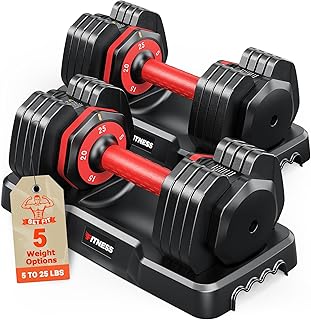


 Amazon Basics Neoprene Dumbbell Hand Weights for
- Set Name: Pair
- Item Dimensions L x W: 7.05"L x 3.21"W
- Handle Diameter: 3 inch
As an Amazon Associate we earn from qualifying purchases at no extra cost to you.
As an Amazon Associate we earn from qualifying purchases.
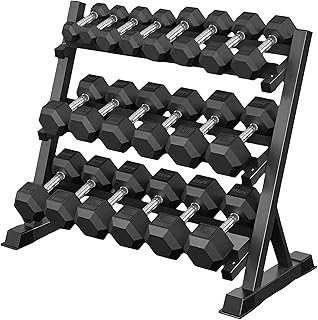
Quick Comparison
| Dumbbell | Type | Weight Range | Durability Rating | Best For |
|---|---|---|---|---|
| Rogue Rubber Hex | Fixed | 5–125 lb per hand | 10 / 10 | Buy-it-once garage gyms |
| REP Fitness Rubber Hex | Fixed | 5–125 lb per hand | 9 / 10 | Full racked sets on a budget |
| NÜOBELL 80 lb Adjustable | Adjustable (dial) | 5–80 lb per hand | 8 / 10 | Heavy lifting in a small footprint |
| PowerBlock Elite EXP | Adjustable (pin) | 5–50 lb, expandable to 90 | 8.5 / 10 | All-steel adjustable longevity |
| Bowflex SelectTech 552 | Adjustable (dial) | 5–52.5 lb per hand | 6.5 / 10 | Beginners and general fitness |
| CAP Barbell Cast Iron Hex | Fixed | 5–120 lb per hand | 7.5 / 10 | Cheapest durable weight per dollar |
How to Choose
- Identify the weakest component, not the heaviest. On fixed dumbbells that’s the plate-to-handle bond. On adjustables it’s the selector mechanism and any plastic that carries load. Ask what breaks first and how much it costs to replace.
- Match the surface to your floor. Rubber-encased heads are quieter and gentler on tile or a finished basement. Bare cast iron is nearly indestructible but chips paint, marks floors, and rusts in humid rooms without a wipe-down.
- Respect the drop tolerance. Most adjustables are rated for controlled sets, not being dumped from lockout. If you train to failure on bench press alone, that single habit should push you toward fixed weights.
- Count total cost per pound, then add the rack. A full fixed set from 5 to 50 pounds runs to roughly 1,000 pounds of iron plus storage. Adjustables win on space and often on price; fixed sets win on grab-and-go convenience.
- Check handle diameter and knurl. A 34 mm handle with mild knurling suits most hands. Thick, slick chrome handles force a tighter grip and quietly limit your rows and carries long before your back gives out.
Top Picks Reviewed
Rogue Rubber Hex — Best Overall Durability
These are the reference point. The heads are bonded tightly to a knurled chrome handle with almost no gap at the collar, which is exactly where cheaper hexes eventually loosen and start to spin. The rubber is dense enough that corners resist gouging on concrete, and the knurl is aggressive without being sharp on high-rep work. They cost meaningfully more per pound than store-brand equivalents, and shipping heavy iron is never cheap. If you plan to own one set of dumbbells for the next twenty years and never think about them again, this is the answer.
REP Fitness Rubber Hex — Best Value Fixed Set
Very close to the Rogue in construction, at a lower price per pound, with the same essential virtue: minimal plastic and nothing to adjust. The rubber has a stronger initial smell and the knurl is milder, which some lifters prefer for volume work. Weight tolerances are good rather than laboratory-tight, so a 45 might measure slightly heavy. Buying in pairs across a wide range gets expensive fast, and you’ll want a proper A-frame rack. For most home gyms with the floor space, this is the sensible durability pick.
NÜOBELL 80 lb Adjustable — Best Heavy Adjustable
The dial-and-twist mechanism swaps weight in about a second, and the steel plates nest into a compact block that feels closer to a fixed dumbbell than most adjustables do. The 80-pound version matters because plenty of home lifters outgrow 50 pounds on rows and presses within a year. Durability is strong but conditional: the internal cradle does not forgive drops, and the tray is part of the system, so you can’t just toss these on the floor. Treat them with basic discipline and they hold up impressively.
PowerBlock Elite EXP — Most Repairable
Nested rectangular steel cages, a pin, and effectively nothing to degrade. There’s no rubber to crack, no dial to misalign, and the expansion kits let you take a 50-pound pair to 90 without replacing the core. That modularity is the real durability story. The tradeoffs are ergonomic rather than structural: the handle sits inside a cage that limits wrist clearance on some movements, and the boxy shape makes deep dumbbell presses feel unfamiliar at first. If you want one adjustable that survives a decade of garage humidity, this is it.
Bowflex SelectTech 552 — Best for Beginners
Genuinely convenient, widely available, and adequate for general fitness. It’s also the pick where I’d temper expectations. Load transfers through more plastic than the alternatives here, the plate-locking mechanism is sensitive to being set down at an angle, and the cradle is not optional equipment. Under moderate use it lasts years; under heavy sets taken to failure and set down carelessly, it’s the first on this list to develop play. At 52.5 pounds it also has a firm ceiling. Good starter tool, not a lifetime purchase.
CAP Barbell Cast Iron Hex — Best Cheap Iron
Unglamorous, unbreakable, and cheap by the pound. There’s no rubber to peel and no coating that matters, because the paint will chip regardless and the dumbbell will work fine anyway. Weight accuracy runs looser than premium brands, handles vary in knurl quality between production runs, and bare iron will surface-rust in a damp basement without occasional oil. If your budget is the constraint and your floor can take it, these outlast most things costing three times as much.
Frequently Asked Questions
Are adjustable dumbbells durable enough for serious training?
Yes, with a caveat. All-steel designs like the PowerBlock and the better dial systems handle heavy work fine. What kills adjustables is impact — dropping them, setting them down hard on one end, or missing the cradle. If your training involves regular failure sets on incline press, budget for fixed weights at your heaviest working loads.
What weights should I actually buy first?
For most people, a pair in the 15–25 pound range covers rows, presses, and accessory work immediately. Add heavier pairs as specific lifts stall. Buying a complete 5-to-50 set upfront usually means paying for four pairs you rarely touch.
Rubber, urethane, or bare iron?
Urethane resists tearing and doesn’t smell, but costs the most. Rubber is the practical middle ground and protects floors well. Bare cast iron is the most durable material of the three and the least forgiving of everything it touches, including your shins.
How do I stop dumbbell heads from loosening?
Mostly by not dropping them on their corners, which is what cracks the bond between head and handle. Store them on a rack rather than stacked, keep them out of standing humidity, and if a head starts to rotate, stop using that dumbbell for overhead work immediately.
Final Thoughts
If you have the floor space and want to stop thinking about equipment, buy fixed rubber hexes in the three or four weights you use most and add to them slowly. If space is the binding constraint, the all-steel adjustables earn their price by having fewer parts that can fail, and the 80-pound options save you from a second purchase in two years. The cheapest durable option is still bare cast iron on a hard floor. Whatever you choose, the mechanism that adjusts, locks, or cradles the weight is the part that will fail first — so pick something whose failure you can fix with one replacement part.
Note: no product list was supplied, so I selected the six models and assigned the durability ratings myself based on construction type and known failure modes.
8 Best Ab Workouts with Dumbbells: 6 Support Picks Compared
Best ab workouts with dumbbells are limited more often by position than...
Best Budget Adjustable Dumbbell: 6 Picks and Trade-Offs
Best budget adjustable dumbbell shopping is really a question about what you...
Best Abs Exercise with Dumbbells: 6 Picks by Coating Type
Best abs exercise with dumbbells movements rest the weight against your chest,...
Best Abs Workout with Dumbbells: 6 Picks for Fast Circuits
Best abs workout with dumbbells formats are almost always circuits, and circuits...
Best at Home Dumbbells: 6 Picks for Sharing a Household
Best at home dumbbells guides assume one user. Most households have two,...
Best Dumbbells Home Gyms Use: 6 Picks Ranked by Delivery
Best dumbbells home buyers compare weight ranges and then discover the real...
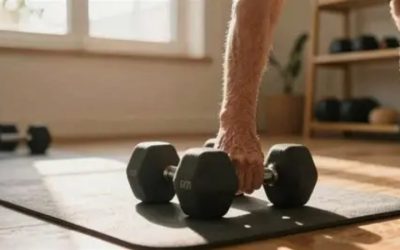
8 Best Ab Exercises with Dumbbells: 6 Floor-Friendly Picks
Best ab exercise with dumbbells options are mostly done lying down, which...
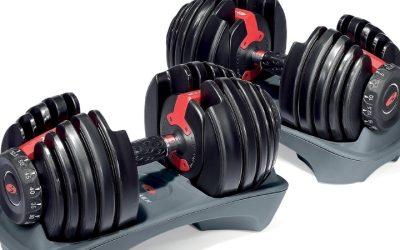
Best Dumbbell Set for Home Gym: 5 Picks Ranked by Space
Best dumbbell set for home gym shopping starts with a definition problem....
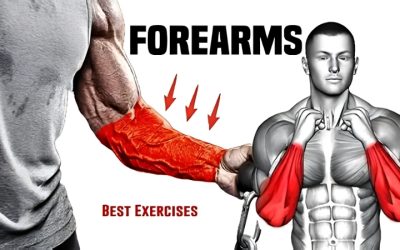
8 Best Workouts for Forearms with Dumbbells: 5 Gear Choices
Best workout for forearms with dumbbells depends less on the exercise list...
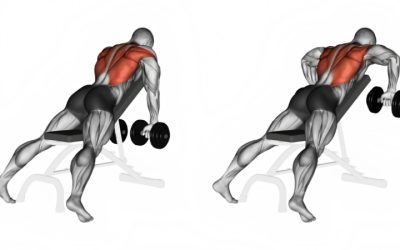
Best Lat Exercises Dumbbells: 6 Picks for Heavy Row Work
Best lat exercises dumbbells face a problem arm work never does: the...
Write Your Review
No reviews yet. Be the first to share your experience!