Key takeaways
- Passive vs. active cooling: Passive pads use breathable fibers to move heat and moisture away from your skin — enough for most warm sleepers. Active systems circulate air or chilled water and can drop surface temperature by a measurable margin. Choose active only if you sweat through sheets year-round or share a bed with someone who wants the thermostat at 74°F.
- Fiber and weave over marketing claims: Rayon derived from bamboo, long-staple cotton, and 3D spacer knits all breathe well. Tightly woven polyester with a “cooling” label often does not. If the fabric feels slick and airless in your hand, it will feel that way at 2 a.m.
- Loft is a tradeoff: A plush pillow top adds pressure relief for hips and shoulders, but every inch of fill is insulation. Hot sleepers who also want cushioning should look for gusseted or channel-stitched construction that lets air move laterally instead of one dense slab of fiberfill.
- Measure your mattress first: Add your mattress height plus any existing protector, then buy a pocket depth with two inches to spare. A pad that pulls loose at the corners bunches, wrinkles, and stops making full contact — which is where the cooling happens.
- Moisture and maintenance: Sweat is a bigger comfort problem than heat itself. Prioritize machine-washable pads, and if you need waterproofing, choose a membrane paired with a breathable air-fabric face rather than a plastic-backed sheet that seals warmth in.
What's inside
Heat is the most under-diagnosed sleep disruptor in the average bedroom. Your body has to shed roughly one to two degrees of core temperature to fall asleep and stay there, and it does that by pushing warmth out through your hands, feet, and face. A mattress that stores that heat instead of releasing it quietly sabotages the process — which is why so many people fall asleep fine at 11 p.m. and then surface, damp and irritable, somewhere around 3 a.m. Memory foam is a frequent culprit, but any dense sleep surface paired with a heavy comforter can create the same thermal trap.
A cooling mattress pad is the cheapest fix available, and in 2026 the category has split into two genuinely different technologies: passive pads that wick and vent heat through fiber and weave, and active systems that move air or water to pull warmth away mechanically. This guide covers what actually drives cooling performance, how to match a pad to your sleep style and mattress depth, and the models worth your money this year — from breathable bamboo-derived pillow tops to a remote-controlled cooling unit for people who run genuinely hot.
As an Amazon Associate we earn from qualifying purchases.




🛒 Best Price Today on Amazon
Prime members get fast, free shipping on everything above, plus member-only deals. New members get a 30-day free trial — cancel anytime.
How to Choose a Cooling Mattress Pad
- Passive vs. active cooling: Passive pads use breathable fibers to move heat and moisture away from your skin — enough for most warm sleepers. Active systems circulate air or chilled water and can drop surface temperature by a measurable margin. Choose active only if you sweat through sheets year-round or share a bed with someone who wants the thermostat at 74°F.
- Fiber and weave over marketing claims: Rayon derived from bamboo, long-staple cotton, and 3D spacer knits all breathe well. Tightly woven polyester with a “cooling” label often does not. If the fabric feels slick and airless in your hand, it will feel that way at 2 a.m.
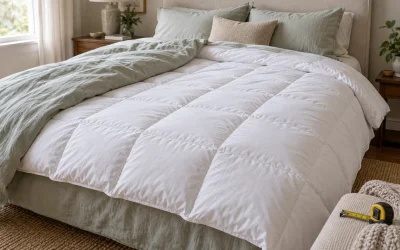
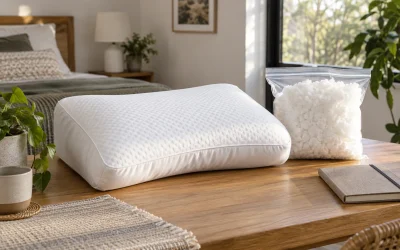
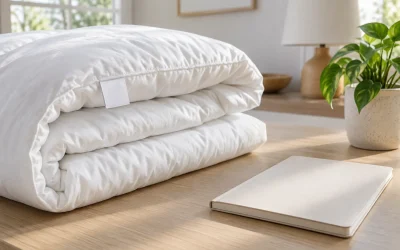
- Loft is a tradeoff: A plush pillow top adds pressure relief for hips and shoulders, but every inch of fill is insulation. Hot sleepers who also want cushioning should look for gusseted or channel-stitched construction that lets air move laterally instead of one dense slab of fiberfill.
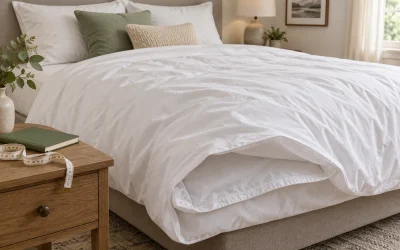
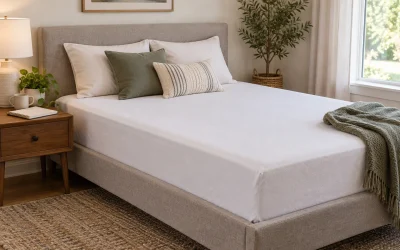
- Measure your mattress first: Add your mattress height plus any existing protector, then buy a pocket depth with two inches to spare. A pad that pulls loose at the corners bunches, wrinkles, and stops making full contact — which is where the cooling happens.
- Moisture and maintenance: Sweat is a bigger comfort problem than heat itself. Prioritize machine-washable pads, and if you need waterproofing, choose a membrane paired with a breathable air-fabric face rather than a plastic-backed sheet that seals warmth in.
The Best Cooling Mattress Pads Reviewed
Niagara Sleep Solution Bamboo-Derived Cooling Topper
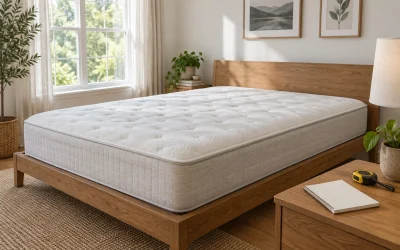
The rayon-from-bamboo surface has a cool, dry hand that holds up well through the first hour of sleep, and the 20-inch pockets swallow even tall pillow-top mattresses without corner lift. A strong all-around choice for warm sleepers who still want some give under the hips.
Niagara Sleep Solution 100% Cotton Top Topper
Cotton breathes more predictably than any engineered fiber and gets softer with washing, making this the better pick for anyone with sensitive skin or a preference for natural materials. The cloud-like fill leans plush, so side sleepers will get more from it than firm-mattress purists.
SLEEP ZONE Zoned Cooling Mattress Topper
The zoned quilting concentrates support where your torso sinks and keeps the panel from collapsing into a single heat-holding mass. It washes cleanly, resists shifting, and is the most sensible option if you want cooling and light pressure relief without much added height.
BEDLORE Viscose Bamboo Pillow-Top Topper
Noticeably thicker than the others here, with stretch pockets that grip 6- to 18-inch mattresses securely. Best suited to an older or overly firm mattress you’re trying to rescue — you trade a little breathability for real cushioning.
B10 Bed Cooling System
An active unit that drives cool air through a cotton pad, dropping surface temperature by roughly 7–12°F across four fan speeds with remote control. For chronic night sweats, perimenopausal vasomotor symptoms, or a hot bedroom you can’t air-condition, this does what fabric alone cannot.
Frequently Asked Questions
Do cooling mattress pads actually lower your body temperature?
Passive pads don’t chill you; they stop your mattress from insulating you, which lets your body finish its natural evening temperature drop. Active systems genuinely remove heat and produce a measurable surface temperature change.
Do I need both a topper and a protector?
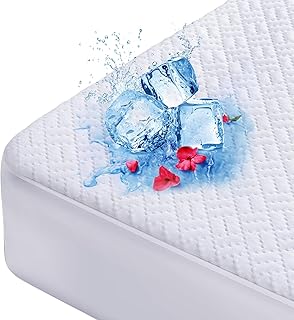
Often yes. Layer the protector directly on the mattress, then the cooling topper above it — never the reverse, or you’ll block the topper’s airflow. A breathable 3D air-fabric waterproof protector adds spill defense without the clammy feel of older vinyl-backed covers.
Will a cooling pad stop night sweats?
It reduces how often heat wakes you and how long you stay awake. It won’t treat an underlying cause — persistent, drenching sweats warrant a conversation with your doctor rather than another bedding purchase.
How often should I wash it?
Every four to six weeks. Body oils and skin cells clog the fiber structure that makes these pads breathe, so a dirty cooling pad is a warm one. Wash cold, tumble low, and skip fabric softener, which coats fibers and kills wicking.
Final Thoughts
For most people, the Niagara Sleep Solution bamboo-derived topper hits the right balance of breathability, plushness, and deep-pocket fit, with the SLEEP ZONE zoned topper as the smarter option if you want cooling without adding loft. If heat regularly ends your night early, skip the fabric-only approach and go straight to the B10 Bed Cooling System — active airflow is the only thing that reliably solves a genuinely hot sleeper’s problem.