Key takeaways
- Match the fill to your complaint: Memory foam contours and redistributes load, which is what you want for hip, shoulder, or lower-back pressure. Fiber and viscose pillow-tops add plushness and airflow but won’t meaningfully change support, so choose them when the mattress is firm rather than sagging.
- Three inches is the practical sweet spot: Two inches rarely alters the feel of a firm bed; four inches can bury lighter sleepers and destabilize the surface. Three inches shifts the comfort profile while keeping the mattress’s support system doing its job.
- Take heat management seriously: Foam is an insulator by nature. Look for gel infusion, open-cell or wave-textured surfaces, mesh gussets, and breathable covers — a topper that traps heat will undo every other benefit it provides.
- Check the pocket depth against your real mattress stack: Measure your mattress plus any existing pad. Skirts advertised for 18–21 inches accommodate most pillow-top and hybrid beds; shallow skirts on a tall mattress pull loose within a week.
- Verify certifications and give it time: CertiPUR-US and OEKO-TEX confirm foam content and emissions testing. Expect two to four days of off-gassing and up to two weeks of adjustment before you judge the feel.
What's inside
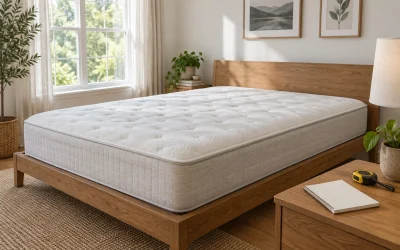
A mattress that has quietly gone soft in the middle — or one that never had any give to begin with — is one of the most common culprits behind restless nights, morning stiffness, and that maddening 3 a.m. flip to the cool side of the pillow. Replacing a bed is expensive and disruptive. Adjusting the top two or three inches of the sleep surface, where nearly all of your pressure-relief and temperature regulation actually happens, is not. That’s the entire logic behind a good topper: recalibrate the layer your body touches, and you often fix the complaint without touching the mattress underneath.
This guide looks at toppers through the lens of what actually changes sleep quality — surface conformity, heat dissipation, edge and hip support, and whether the thing stays where you put it. Below you’ll find a short buying framework, then honest notes on the models worth your attention in 2026, spanning dense gel memory foam for pressure points and lofty fiber pillow-tops for sleepers who want cushion without sink.
As an Amazon Associate we earn from qualifying purchases.




🛒 Best Price Today on Amazon
Prime members get fast, free shipping on everything above, plus member-only deals. New members get a 30-day free trial — cancel anytime.
How to Choose a/an Mattress Topper Comfort (2026)
- Match the fill to your complaint: Memory foam contours and redistributes load, which is what you want for hip, shoulder, or lower-back pressure. Fiber and viscose pillow-tops add plushness and airflow but won’t meaningfully change support, so choose them when the mattress is firm rather than sagging.
- Three inches is the practical sweet spot: Two inches rarely alters the feel of a firm bed; four inches can bury lighter sleepers and destabilize the surface. Three inches shifts the comfort profile while keeping the mattress’s support system doing its job.
- Take heat management seriously: Foam is an insulator by nature. Look for gel infusion, open-cell or wave-textured surfaces, mesh gussets, and breathable covers — a topper that traps heat will undo every other benefit it provides.
- Check the pocket depth against your real mattress stack: Measure your mattress plus any existing pad. Skirts advertised for 18–21 inches accommodate most pillow-top and hybrid beds; shallow skirts on a tall mattress pull loose within a week.
- Verify certifications and give it time: CertiPUR-US and OEKO-TEX confirm foam content and emissions testing. Expect two to four days of off-gassing and up to two weeks of adjustment before you judge the feel.
The Best Mattress Topper Comfort (2026)s Reviewed
Linenspa 3-Inch Gel Infused Memory Foam Topper (Twin)
A no-drama entry point: the gel-infused foam offers genuine plush contouring at a price that makes it easy to experiment with, and the CertiPUR-US certification means you’re not guessing about foam quality. Best suited to guest rooms, dorm beds, and firm mattresses that simply need a softer landing.
3-Inch Ultra-Fluffy Pillow-Top Topper with 4X Support (Full)
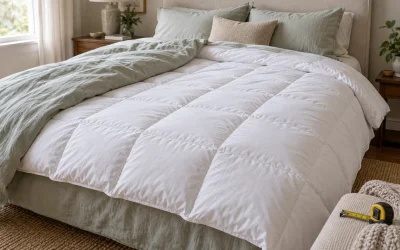
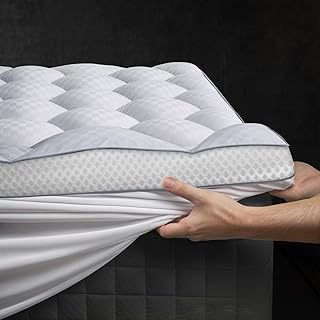
This one splits the difference between cloud-like loft and actual structure, with breathable air-mesh side panels that help vent trapped body heat and a deep 6–21 inch pocket that fits nearly any mattress height. A strong pick for back-pain sufferers who find traditional memory foam too dense or too warm.
JSELF 3-Inch Dual-Layer Gel Memory Foam Topper (Queen)
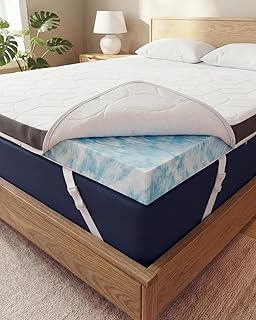
The most thoughtfully engineered option here: a dual-layer build pairs a wave-textured pressure-relief surface with a supportive base, wrapped in a Bekaert fabric cover, and it carries both CertiPUR-US and OEKO-TEX certification. Side sleepers with shoulder and hip complaints will notice the difference fastest, and the non-slip backing solves the migration problem most foam toppers have.
3-Inch Memory Foam Topper with Cooling Washable Cover (Queen)
Thick, genuinely plush foam paired with a removable cooling cover and anchor straps — a sensible combination if you run hot but still want the enveloping feel of memory foam. The washable cover is the underrated feature; it’s the difference between a topper that lasts three years and one that lasts one.
Niagara Sleep Solution Bamboo-Derived Rayon Pillow Top (Full)
A breathable, lightly quilted alternative for sleepers who want softness without the heat retention or slow response of foam, with a 20-inch deep pocket that stays put on taller mattresses. Choose this when your bed is supportive but the surface feels punishing.
Frequently Asked Questions
Will a topper fix a sagging mattress?
No — it will mask the symptom for a while. A topper redistributes surface pressure but cannot restore a failed support core, and foam laid over a dip will simply follow the dip. If you can see a visible valley, replacement is the honest answer.
How long does the smell last?
Most new foam off-gasses noticeably for 48 to 72 hours. Unbox it in a ventilated room, leave it uncovered, and let it fully expand before dressing the bed; the odor is unpleasant but transient and not a defect.
Do I still need a mattress protector?
Yes. Foam is difficult to clean and impossible to fully dry, so a thin waterproof protector over the topper is cheap insurance. Place it above the topper, not below, or you’ll compromise the airflow you paid for.
Foam or fiber for hot sleepers?
Fiber and viscose-bamboo pillow-tops breathe better as a category. If you want foam’s contouring, insist on gel infusion plus a textured or mesh-vented design rather than a solid slab.
Final Thoughts
For most sleepers, the JSELF dual-layer gel topper is the strongest all-round choice — it addresses pressure relief, heat, and slippage in one build. Hot sleepers who prefer breathable cushion over contouring should look at the Niagara Sleep Solution bamboo-derived pillow top, while anyone testing the concept on a budget or outfitting a spare room will get real value from the Linenspa gel-infused topper.