Key takeaways
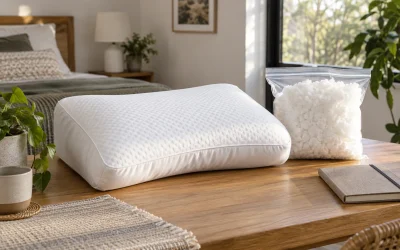
- Protector or topper: Decide first. A protector is a thin barrier that preserves your mattress warranty and hygiene. A topper adds two or more inches of material and deliberately alters feel. Buying a topper when you wanted a protector means losing the contouring you paid for.
- Airflow over pure waterproofing: Polyurethane membranes vary enormously. Thin, microporous laminates paired with knit face fabrics let vapour escape; cheap solid-film versions turn foam into a heat trap. Look for language about breathable membranes or air-permeable laminate, not just “100% waterproof.”
- Four-way stretch on the sleep surface: Memory foam only works if it can compress unevenly under your body. A woven, non-stretch cover creates a taut drumhead effect that flattens the contouring. Knit or stretch-jersey faces move with the foam instead of fighting it.
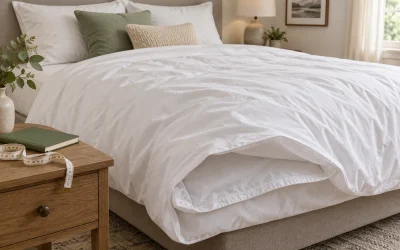
- Pocket depth measured, not guessed: Foam mattresses run deep, and a topper adds inches on top. Measure your assembled bed height and buy at least two inches of extra pocket depth so the skirt stays anchored rather than creeping loose overnight.
- Noise and laundering reality: Rustle is the top reason protectors get returned. Prioritise quiet constructions, then check the care label — a protector you can’t run through a normal warm wash and low-heat dry will not stay in rotation for long.
What's inside
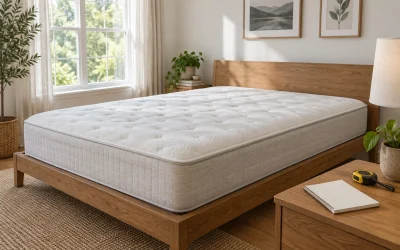
Memory foam changes the rules of mattress protection. The same open-cell structure that lets foam cradle your hips also lets it soak up moisture, trap body heat, and slowly stiffen with age — and unlike an innerspring bed, a foam core can’t simply be flipped when things go wrong. Shoppers then run into a second problem: half the products marketed as “memory foam mattress protectors” are actually thick toppers that change how the bed feels, while the other half are thin waterproof covers that do nothing for comfort. Choosing the wrong category is the most common mistake I see.
This guide separates the two clearly. Below you’ll find protectors built to guard a foam mattress without muffling its contouring response, plus a couple of toppers worth considering if you also want to adjust firmness or surface temperature. I’ve assessed each on breathability, membrane quality, stretch, noise, and how well the fit holds up after repeated laundering — the four factors that actually determine whether you keep using a protector or quietly abandon it after a month.
As an Amazon Associate we earn from qualifying purchases.


🛒 Best Price Today on Amazon
Prime members get fast, free shipping on everything above, plus member-only deals. New members get a 30-day free trial — cancel anytime.
How to Choose a Memory Foam Mattress Protector (2026)
- Protector or topper: Decide first. A protector is a thin barrier that preserves your mattress warranty and hygiene. A topper adds two or more inches of material and deliberately alters feel. Buying a topper when you wanted a protector means losing the contouring you paid for.
- Airflow over pure waterproofing: Polyurethane membranes vary enormously. Thin, microporous laminates paired with knit face fabrics let vapour escape; cheap solid-film versions turn foam into a heat trap. Look for language about breathable membranes or air-permeable laminate, not just “100% waterproof.”
- Four-way stretch on the sleep surface: Memory foam only works if it can compress unevenly under your body. A woven, non-stretch cover creates a taut drumhead effect that flattens the contouring. Knit or stretch-jersey faces move with the foam instead of fighting it.
- Pocket depth measured, not guessed: Foam mattresses run deep, and a topper adds inches on top. Measure your assembled bed height and buy at least two inches of extra pocket depth so the skirt stays anchored rather than creeping loose overnight.
- Noise and laundering reality: Rustle is the top reason protectors get returned. Prioritise quiet constructions, then check the care label — a protector you can’t run through a normal warm wash and low-heat dry will not stay in rotation for long.
The Best Memory Foam Mattress Protector (2026)s Reviewed
PlushDeluxe Bamboo Waterproof Mattress Protector (King)
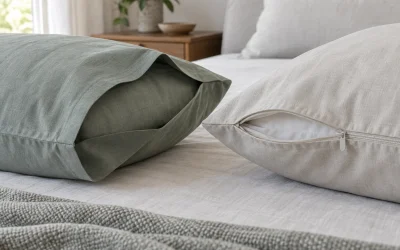
The viscose-from-bamboo face has a cool, fluid hand that sits well against foam, and the laminate stays genuinely quiet under movement — a meaningful advantage for light sleepers and couples. With a 76×80″ cut and up to 18″ of pocket depth, it handles tall foam builds and pillow-top hybrids without straining at the corners.
Kool-Flow Organic Cotton Memory Foam Protector (Queen)
This is the pick I recommend most often for plush foam beds: the Greenshield water resistance avoids a heavy plastic film, and the stretch fabric lets the mattress keep contouring instead of bridging under load. US manufacturing and organic cotton also make it an easy recommendation for chemically sensitive sleepers.
Kool-Flow Organic Cotton Memory Foam Protector (King)
Identical construction in a king footprint, which matters because wider beds are where non-stretch protectors show their weakness most visibly across the centre. Expect the same breathable, low-crinkle performance with enough give to accommodate a partner who shifts positions frequently.
Utopia Bedding Quilted Fitted Mattress Pad (Queen)
A quilted pad rather than a sealed barrier, this adds a light cushioning layer and absorbs everyday perspiration while staying breathable. The deep pocket stretches to 16 inches and it launders without fuss, making it a sensible high-turnover choice for guest rooms and rentals.
BDEUS Dual Layer 5″ Memory Foam Topper (King)
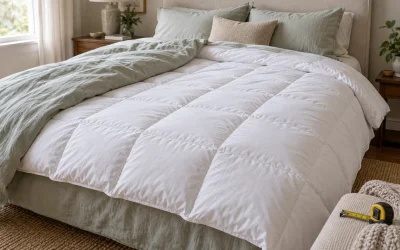
Genuinely a topper, not a protector: two inches of gel-infused memory foam under a 1450 GSM quilted pillow top, aimed at softening a mattress that has become too firm. Pair it with a thin protector on top, since foam this thick is difficult to clean and should never be the layer taking the spills.
Frequently Asked Questions
Will a protector make my memory foam mattress sleep hotter?
A poorly chosen one will. Solid-film waterproofing blocks vapour transfer, and moisture trapped against foam is what makes a bed feel stifling. Breathable laminates paired with cotton or viscose faces add very little perceptible heat.
Does a protector reduce the contouring I paid for?
Only if it doesn’t stretch. Thin knit protectors are effectively invisible to the foam’s response. Rigid woven covers and thick quilted pads are what dampen the sink-in sensation.
How often should I wash it?
Every four to eight weeks for most adults, monthly if you sweat heavily, have allergies, or share the bed with pets. Wash warm, tumble low, and skip fabric softener — it clogs breathable membranes and shortens their working life.
Can I use a topper and a protector together?
Yes, and you should. Put the topper directly on the mattress, then stretch the protector over both. Confirm your protector’s pocket depth covers the combined height before ordering.
Final Thoughts
For most memory foam owners, the Kool-Flow Organic Cotton protector in queen or king is the strongest all-round choice — breathable, stretchy, and honest about how it achieves water resistance. Choose the PlushDeluxe Bamboo protector if silent, cool-to-the-touch comfort on a deep bed is the priority, and add the BDEUS 5″ topper only if your real goal is changing firmness rather than protecting what you already own.