Key takeaways
- Measure, then measure the walls: RV short queen is 60″ x 75″ — five inches shorter than a residential queen — and many coach beds are boxed in by cabinetry on three sides. Confirm both the sleep surface and the clearance, because a 4-inch topper plus bedding can leave you fighting an overhead cabinet or a slide-out.
- Match the fill to your complaint: Persistent hip and lower-back ache usually means the base mattress is too firm and you want memory foam that redistributes load. Surface-level soreness and a “sleeping on plywood” feeling respond better to a plush pillow-top pad that adds cushioning without changing support.
- Treat heat and humidity as one problem: A motorhome bedroom is a small, poorly ventilated space, and solid foam traps both warmth and the roughly half-litre of moisture a sleeper releases overnight. Gel-infused or open-cell foam, breathable covers, and fibre fills all help; so does lifting the mattress periodically to let the platform dry.
- Insist on secure anchoring: Deep-pocket skirts, stretch straps, or a non-slip base keep the topper from creeping while you drive and while you climb in and out of a bed you can only access from one side. A topper that shifts nightly will undo any comfort gain.
- Prioritise washability and certification: Removable covers matter more in an RV than at home. Look for CertiPUR-US or OEKO-TEX marks, and give any new foam a day of off-gassing outside the rig before you sleep on it.
What's inside
Motorhome sleep is a different beast from bedroom sleep. The mattress that came with your rig was almost certainly chosen for weight and thickness rather than pressure distribution, and most factory RV foam runs somewhere between four and six inches of dense, unforgiving polyfoam. Add in the odd sizing — short queen at 60″ x 75″, RV king, three-quarter bunks — plus the reality that your bed sits above a wheel well, absorbs road vibration, and lives inside a metal box that swings 30 degrees in temperature overnight, and you have a recipe for hip pain, shoulder numbness, and 3 a.m. wakeups you never get at home.
The good news: a well-matched topper solves most of it for a fraction of the cost of replacing the mattress, and it can be stripped off and washed after a dusty week at a trailhead. This guide walks through what actually matters when you’re buying for a moving vehicle — fill type, thickness versus headroom, moisture handling, and anchoring — then reviews the toppers I’d genuinely put on a coach bed, including RV-specific options from ELEMUSE, BEDLORE, and ViscoSoft.
As an Amazon Associate we earn from qualifying purchases.


🛒 Best Price Today on Amazon
Prime members get fast, free shipping on everything above, plus member-only deals. New members get a 30-day free trial — cancel anytime.
How to Choose a Mattress Topper For Motorhome (2026)
- Measure, then measure the walls: RV short queen is 60″ x 75″ — five inches shorter than a residential queen — and many coach beds are boxed in by cabinetry on three sides. Confirm both the sleep surface and the clearance, because a 4-inch topper plus bedding can leave you fighting an overhead cabinet or a slide-out.
- Match the fill to your complaint: Persistent hip and lower-back ache usually means the base mattress is too firm and you want memory foam that redistributes load. Surface-level soreness and a “sleeping on plywood” feeling respond better to a plush pillow-top pad that adds cushioning without changing support.
- Treat heat and humidity as one problem: A motorhome bedroom is a small, poorly ventilated space, and solid foam traps both warmth and the roughly half-litre of moisture a sleeper releases overnight. Gel-infused or open-cell foam, breathable covers, and fibre fills all help; so does lifting the mattress periodically to let the platform dry.
- Insist on secure anchoring: Deep-pocket skirts, stretch straps, or a non-slip base keep the topper from creeping while you drive and while you climb in and out of a bed you can only access from one side. A topper that shifts nightly will undo any comfort gain.
- Prioritise washability and certification: Removable covers matter more in an RV than at home. Look for CertiPUR-US or OEKO-TEX marks, and give any new foam a day of off-gassing outside the rig before you sleep on it.
The Best Mattress Toppers For Motorhomes (2026), Reviewed
ELEMUSE RV Short Queen Thick Pillow Top Topper
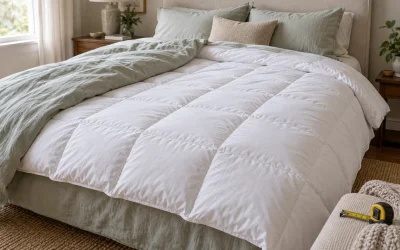
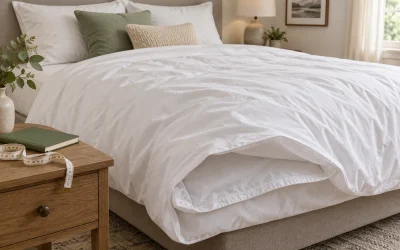
An overfilled fibre pad that turns a hard coach mattress into something closer to a hotel bed, with a deep-pocket skirt sized specifically for short queen platforms. Best for campers who want plush surface comfort and easy laundering rather than the contouring hug of foam.
BEDLORE RV Queen Viscose Bamboo Pillow Top Pad
The viscose-from-bamboo cover is the differentiator here — it wicks well and stays cool to the touch, which counts in a rig without residential air conditioning. Stretch pockets accommodate 6″ to 18″ mattresses, making it a sensible pick for older coaches with unusual factory depths.
ELEMUSE RV Short Queen 3″ Dual Layer Memory Foam Topper
A smart hybrid construction: 2 inches of gel memory foam underneath to unload the hips and shoulders, topped with an inch of pillow-top fibre so you don’t feel like you’re sinking into a mould. This is my default recommendation for full-time RVers with genuine back complaints.
ViscoSoft 4 Inch Pillow Top Memory Foam Topper, Short Queen
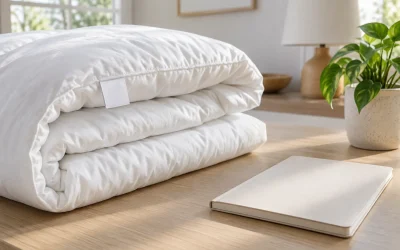
The most transformative option on the list, and the one that most closely mimics a proper residential mattress feel on a thin RV base. Verify headroom before ordering — four inches is a lot in a coach — but the CertiPUR-US certified dual-layer build is excellent value for the depth.
PERLECARE 3 Inch Gel Memory Foam Topper, Queen
A well-executed pressure-relief topper with a non-slip base and a removable, washable OEKO-TEX certified cover — a genuinely useful combination in a vehicle. Note the residential queen sizing, so it suits motorhomes with full-size bedroom beds rather than short queens.
Frequently Asked Questions
How thick should an RV mattress topper be?
Two to three inches suits most motorhomes: enough to change how the mattress feels without stealing headroom or making the bed hard to get into. Choose 4 inches only if your factory mattress is very thin and you’ve confirmed clearance beneath cabinets and slide-outs.
Will a memory foam topper make me sleep hot?
Older solid-foam designs did. Modern gel-infused and open-cell layers move heat far more effectively, and pairing one with a breathable cover and cotton or bamboo sheets keeps most sleepers comfortable. If you camp in genuine heat without hookups, a fibre pillow-top pad will always run cooler than foam.
Can I leave the topper on while travelling?
Yes — that’s the point of deep-pocket skirts and non-slip bases. Foam toppers travel best left flat rather than rolled, and it’s worth throwing a strap or fitted sheet over the whole assembly so nothing migrates on winding roads.
How do I stop mould underneath the mattress?
Condensation forms where a warm mattress meets a cold platform, so lift the mattress every few weeks to let both surfaces dry, and consider a slatted or ventilated underlay. Run a small dehumidifier or crack a roof vent in cold, damp weather.
Final Thoughts
For most motorhome owners, the ELEMUSE RV Short Queen 3″ Dual Layer Memory Foam Topper hits the ideal balance of pressure relief, cooling, and sane thickness. If your rig has the headroom and your factory mattress is genuinely punishing, step up to the ViscoSoft 4 Inch Pillow Top for the closest thing to a home mattress on the road; hot sleepers and warm-weather campers should look first at the BEDLORE Viscose Bamboo pillow top.