Key takeaways
- Match thickness to your build: Two inches is plenty to take the edge off an overly firm surface. Three to four inches makes more sense if you carry more weight, sleep on your side, or need genuine cushioning at the hip and shoulder. Thicker is not automatically better — too much give can bury your midsection and undo the alignment you are chasing.
- Judge density, not first-touch softness: Higher-density memory foam (roughly 3.5 lb/ft³ and up) keeps its shape under sustained load, so your pelvis stays level all night. Low-density budget foam feels luxurious on night one and bottoms out by month three — the usual explanation behind “my topper stopped working.”
- Buy for your dominant position: Back and stomach sleepers generally do better with a shallower, firmer layer that preserves the natural lumbar curve. Side sleepers need enough yield for the shoulder and hip to settle in so the spine stays horizontal from neck to tailbone.
- Take heat management seriously: Viscoelastic foam softens as it warms, meaning an overheated topper is measurably less supportive at 3 a.m. than it was at bedtime. Gel infusion, ventilation channels and a breathable cover protect structure as much as comfort.
- Check the fit and what sits underneath: Measure your mattress depth and confirm the skirt or corner pockets will actually stretch over it, since a topper that shifts creates its own pressure points. And be honest about the bed below — if there is a visible dip, a topper is a bridge, not a repair.
What's inside
Lower-back pain is one of the most common reasons people go shopping for sleep gear, and also one of the easiest problems to misread. A mattress that felt perfectly supportive three years ago can quietly develop a shallow trough under the hips, and your lumbar spine then spends seven or eight hours a night bridging that gap. Muscles that should be powering down during deep sleep stay lightly engaged instead — which is exactly why the ache tends to peak in the first ten minutes after you stand up rather than while you are lying there.
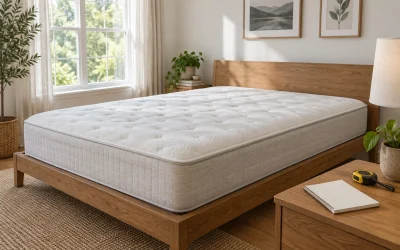
A topper will not rebuild a failing bed, but the right one can restore neutral alignment and redistribute pressure for a fraction of the price of a new mattress. This guide covers what actually moves the needle — foam density, effective thickness, sleep position and heat retention — and then walks through the toppers I would put in front of a client with a cranky back in 2026.
As an Amazon Associate we earn from qualifying purchases.


🛒 Best Price Today on Amazon
Prime members get fast, free shipping on everything above, plus member-only deals. New members get a 30-day free trial — cancel anytime.
How to Choose a Mattress Topper For Back Problems (2026)
- Match thickness to your build: Two inches is plenty to take the edge off an overly firm surface. Three to four inches makes more sense if you carry more weight, sleep on your side, or need genuine cushioning at the hip and shoulder. Thicker is not automatically better — too much give can bury your midsection and undo the alignment you are chasing.
- Judge density, not first-touch softness: Higher-density memory foam (roughly 3.5 lb/ft³ and up) keeps its shape under sustained load, so your pelvis stays level all night. Low-density budget foam feels luxurious on night one and bottoms out by month three — the usual explanation behind “my topper stopped working.”
- Buy for your dominant position: Back and stomach sleepers generally do better with a shallower, firmer layer that preserves the natural lumbar curve. Side sleepers need enough yield for the shoulder and hip to settle in so the spine stays horizontal from neck to tailbone.
- Take heat management seriously: Viscoelastic foam softens as it warms, meaning an overheated topper is measurably less supportive at 3 a.m. than it was at bedtime. Gel infusion, ventilation channels and a breathable cover protect structure as much as comfort.
- Check the fit and what sits underneath: Measure your mattress depth and confirm the skirt or corner pockets will actually stretch over it, since a topper that shifts creates its own pressure points. And be honest about the bed below — if there is a visible dip, a topper is a bridge, not a repair.
The Best Mattress Toppers For Back Problems (2026), Reviewed
Tempur-Pedic TEMPUR-Adapt + Cooling 3-Inch
This is the benchmark for a reason: the proprietary foam responds slowly and precisely to body heat and load, so it contours around the hip without letting the pelvis rotate out of line. Expensive, but it holds its support characteristics far longer than commodity foam, and the washable cover is a practical touch.
Lucid 4 Inch Memory Foam Topper
The deepest option here and my pick for side sleepers or heavier bodies who consistently feel the mattress pushing back at the shoulder. Four inches of ventilated gel foam gives a genuinely plush, cradling feel — just note that it changes the height of your bed noticeably and may need deep-pocket sheets.
SINWEEK 3 Inch Gel Memory Foam Topper
A well-judged middle ground: enough depth for real pressure relief, with a high-density ventilated core that resists the sinkhole effect cheaper three-inch pads develop. The removable, washable cover makes it easy to live with long term.
LUCID 2 Inch 5-Zone Gel Memory Foam Topper
The zoned construction is the interesting part — firmer support beneath the lumbar region, softer response under shoulders and legs. Ideal for back sleepers who want targeted relief without dramatically softening a bed that is otherwise still doing its job.
BEDLORE Viscose Bamboo Pillow Top
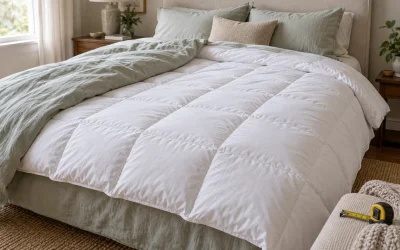
A different philosophy: rather than contouring foam, this is a plush pillow-top pad that adds cushioning and airflow, with stretchable pockets sized for 6″–18″ mattresses. Best suited to hot sleepers whose backs object to firmness rather than to poor support.
Frequently Asked Questions
Can a topper fix a sagging mattress?
Only cosmetically. A topper conforms to whatever is beneath it, so a visible dip will telegraph straight through. If your mattress has lost structural integrity, a topper buys you months, not years.
Should a topper for back pain be firm or soft?
Neither label is useful on its own. The aim is a surface soft enough to relieve pressure at the hips and shoulders while firm enough to keep the spine neutral — which usually means a denser foam with a moderate feel rather than an extreme in either direction.
How long should I give a new topper?
Allow two to four weeks. Foam needs a few nights to fully expand and off-gas, and your body needs time to adapt to a changed sleeping posture. Mild stiffness during the first week is common; worsening pain after a month means the topper is wrong for you.
Is a topper a substitute for medical advice?
No. Sleep surfaces can meaningfully influence morning stiffness and comfort, but persistent, radiating or nocturnal pain deserves assessment by a clinician rather than another purchase.
Final Thoughts
If budget allows, the Tempur-Pedic TEMPUR-Adapt + Cooling remains the most reliable long-term investment for back-related discomfort. For deeper cushioning at a far lower price, the Lucid 4 Inch delivers, while the LUCID 2 Inch 5-Zone is the smarter choice for back sleepers who need targeted lumbar support without losing the feel of their existing mattress.