Key takeaways
- Match the motor to the work, not the fantasy: A 15-amp universal motor is loud, abrupt, and perfectly adequate for plywood, trim, and decking. Induction motors in cabinet saws like the JET XACTA run at a lower, steadier pitch that’s far less jarring in a shared structure — but they need 230V and real floor space. Buy for the projects on your actual list.
- Treat rip capacity as a planning decision: Rip capacity determines whether you break down sheet goods on the saw or on the floor. Around 32 inches handles most cabinet and closet work; 50 inches means full sheets without awkward, off-balance handling — the kind that gets dangerous when you’re running on five hours of sleep.
- Audit the safety stack before you buy: A riving knife, functional blade guard, and anti-kickback pawls should be present and genuinely usable, not so fiddly you remove them permanently in week two. Add a flesh-detection or brake system if your budget allows. The best safety feature is the one that stays installed.
- Plan for dust at the source: Under-table shrouds and a well-sealed cabinet keep respirable particulate out of your air and, critically, out of adjacent living space. Fine dust is a documented airway irritant, and irritated airways fragment sleep. Confirm the port diameter matches your extractor before you’re standing in the garage holding a mismatched hose.
- Weigh storage against actual routine: Folding and rolling stands, like those on the DEWALT and SKIL, let a saw disappear at the end of a session. That matters more than spec sheets suggest — a workshop you can close down cleanly is a workshop that doesn’t follow you to bed as unfinished mental clutter.
What's inside
Most buying guides treat a table saw as a purely mechanical decision — horsepower, rip capacity, fence tolerances. I come at it from a different direction. I spend my working life helping people protect their sleep, and I’ve lost count of the clients whose restless nights traced back to a garage workshop: the late-session adrenaline spike, the fine dust drifting into a bedroom through a shared wall, the 100-decibel motor that wakes a napping toddler and turns a relaxing hobby into a household negotiation. Fatigue is also the single most underrated risk factor around spinning carbide. Tired hands make the mistakes that guards were designed to forgive.
So this guide evaluates 2026’s strongest table saws on the usual performance criteria, then filters them through a second lens: how well each one fits into a home where people also need to rest. You’ll find a selection framework, honest reviews of the top contenders across benchtop, jobsite, and cabinet categories, and answers to the questions that come up most often when a saw has to share a building with sleeping humans.
As an Amazon Associate we earn from qualifying purchases.




🛒 Best Price Today on Amazon
Prime members get fast, free shipping on everything above, plus member-only deals. New members get a 30-day free trial — cancel anytime.
How to Choose a/an Who Makes The Best Table Saw (2026)
- Match the motor to the work, not the fantasy: A 15-amp universal motor is loud, abrupt, and perfectly adequate for plywood, trim, and decking. Induction motors in cabinet saws like the JET XACTA run at a lower, steadier pitch that’s far less jarring in a shared structure — but they need 230V and real floor space. Buy for the projects on your actual list.
- Treat rip capacity as a planning decision: Rip capacity determines whether you break down sheet goods on the saw or on the floor. Around 32 inches handles most cabinet and closet work; 50 inches means full sheets without awkward, off-balance handling — the kind that gets dangerous when you’re running on five hours of sleep.
- Audit the safety stack before you buy: A riving knife, functional blade guard, and anti-kickback pawls should be present and genuinely usable, not so fiddly you remove them permanently in week two. Add a flesh-detection or brake system if your budget allows. The best safety feature is the one that stays installed.
- Plan for dust at the source: Under-table shrouds and a well-sealed cabinet keep respirable particulate out of your air and, critically, out of adjacent living space. Fine dust is a documented airway irritant, and irritated airways fragment sleep. Confirm the port diameter matches your extractor before you’re standing in the garage holding a mismatched hose.
- Weigh storage against actual routine: Folding and rolling stands, like those on the DEWALT and SKIL, let a saw disappear at the end of a session. That matters more than spec sheets suggest — a workshop you can close down cleanly is a workshop that doesn’t follow you to bed as unfinished mental clutter.
The Best Who Makes The Best Table Saw (2026)s Reviewed
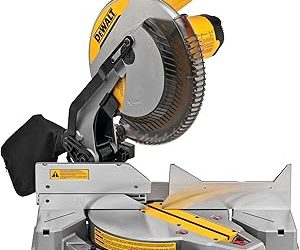
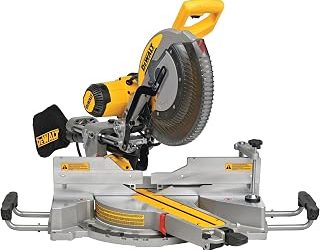
DEWALT DWE7491RS 10-Inch
The most complete all-rounder here: 32-1/2 inches of rip capacity, a rack-and-pinion fence that stays square under real use, and a rolling stand that folds down in seconds. It’s genuinely loud, so pair it with proper hearing protection and a firm cutoff time — but for a one-saw household shop, this is the safest default recommendation.
SKIL TS6307-00 Portable Jobsite Saw
SKIL’s rack-and-pinion fence and integrated folding stand deliver most of the DEWALT experience for meaningfully less money, and the flat cast top handles trim and cabinet parts with more precision than the price implies. A strong pick for someone building out a first serious workshop.
JET JTAS-10XL30-DX XACTA, 30-Inch Rip
Three horsepower of smooth induction power in a heavy cast-iron platform — the vibration and noise character is completely different from a jobsite saw, which your neighbors and housemates will notice. The 30-inch fence suits a dedicated shop where space is finite but standards are not.
JET JTAS-10XL50-1DX XACTA, 50-Inch Rip
The same refined drivetrain with a 50-inch fence, meaning full sheets of plywood get ripped in one controlled, supported pass instead of a wrestling match. If you have the room and the 230V circuit, this is the saw you stop upgrading from.
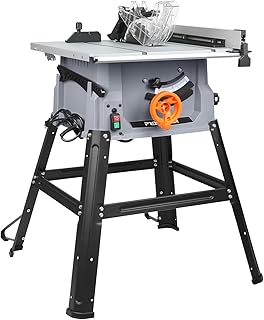
Prostormer 10-Inch Benchtop with Stand
A 15-amp, 5000 RPM benchtop saw with 45-degree bevel capability and a stand included, aimed squarely at DIY, decking, and trim work. Expect to spend time dialing in the fence, and expect a coarser noise signature — reasonable trade-offs at this tier.
Frequently Asked Questions
How late is too late to run a table saw at home?
Set a hard stop about two hours before your own bedtime. Beyond noise considerations, high-vigilance tool work elevates arousal and delays sleep onset, and household sound sensitivity peaks during others’ early sleep cycles.
Does a benchtop saw make sense if my shop shares a wall with a bedroom?
It can, provided you isolate it. Put the saw on rubber feet or a mat, avoid running it during sleep hours, and connect real dust extraction so particulate doesn’t migrate through gaps and vents.
Is a mini precision saw a real alternative?
For PCB, acrylic, thin plastic, and small craft stock, a compact 96W precision saw with variable speed and a 1/2-inch depth of cut is genuinely useful, quiet, and easy to store. It is not a substitute for a 10-inch saw on dimensional lumber or sheet goods.
How much does dust control affect sleep quality?
More than most woodworkers expect. Fine wood dust irritates nasal and airway tissue, and congestion is a common driver of fragmented, non-restorative sleep. Extraction at the blade plus an air cleaner is a sleep investment, not just a housekeeping one.
Final Thoughts
For most home furniture builders, the DEWALT DWE7491RS remains the smartest single purchase in 2026 — capable, portable, and packable at day’s end. If you have a dedicated shop and a 230V circuit, the JET XACTA 50-inch rewards you with quieter, smoother cuts and full-sheet capacity, while the SKIL TS6307-00 is the value pick that gives up surprisingly little. Whichever you choose, build the guard, the extractor, and a firm end-of-session cutoff into the plan from day one; the saw you use rested is the saw that treats you well.