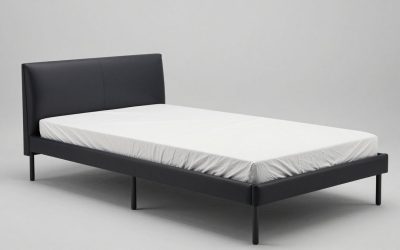
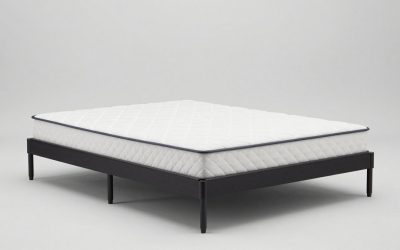
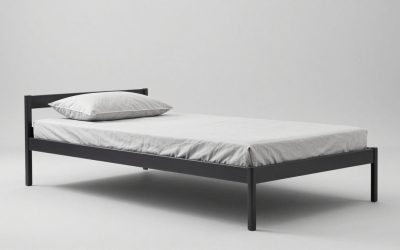
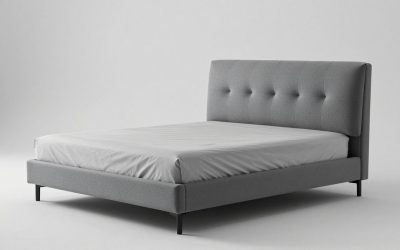
A queen bed frame with lift up storage is worth buying if you need maximum under-bed storage without drawers, can lift 30-45 lbs of effort with gas-lift pistons, and have at least 24-30 inches of clearance at the foot of the bed to fully open the platform.
Our top picks
 Allewie Queen Size Lift Up Hydraulic Storage
- Space-Saving Storage: With its lifting up storage feature,…
- Easy to Use: The lifting up storage feature…
- Elegant Headboard: High wingback headboard adds elegant aesthetics…
 HISOFT Queen Size Lift Up Storage Bed
- Perfect for compact apartments or crowded master suites
- Designed for seamless daily use
- Say goodbye to sleep disruptions and the fear…
| Product | Key specs | |
|---|---|---|
| Allewie Queen Size Lift Up Hydraulic Storage | Space-Saving Storage: With its lifting up storage feature,… Easy to Use: The lifting up storage feature… Elegant Headboard: High wingback headboard adds elegant aesthetics… | Check price |
| HISOFT Queen Size Lift Up Storage Bed | Perfect for compact apartments or crowded master suites Designed for seamless daily use Say goodbye to sleep disruptions and the fear… | Check price |
 Allewie Queen Size Lift Up Hydraulic Storage Allewie Queen Size Lift Up Hydraulic Storage | Check price | |
 Brafab Lift Up Storage Queen Bed Frame Brafab Lift Up Storage Queen Bed Frame | Check price |
As an Amazon Associate we earn from qualifying purchases at no extra cost to you.
Gas-Lift vs. Hydraulic: What You’re Actually Buying
Most listings say “hydraulic lift” but almost all queen bed frames that lift up use gas springs, not true hydraulics. True hydraulic systems use fluid and a pump and are rare outside of heavy-duty or custom furniture. Gas-lift pistons use pressurized nitrogen to assist lifting. For shopping, the difference matters for weight limits and replacement.
| Feature | Standard Dual Gas-Lift (600N – 800N per piston) | Heavy-Duty Gas-Lift (1000N – 1200N per piston) | True Hydraulic System |
|---|---|---|---|
| How it lifts | 2 nitrogen pistons, pull strap at foot | 2 larger pistons, often with locking bar | Fluid cylinder + pump/handle |
| Lift assistance | Lifts mattress + platform (80-120 lbs total) | Lifts mattress + platform up to 150-180 lbs | Lifts 200+ lbs, slower and controlled |
| User effort to lift | 30-45 lbs initial pull, then assists | 20-35 lbs initial pull | 10-20 lbs, steady push |
| Mattress compatibility | Best for 60-90 lb mattresses (10-12″ hybrid/foam) | Handles 90-120 lb mattresses (14″ hybrid, latex) | Any mattress, including heavy latex |
| Failure mode | Gradual loss of pressure over 3-5 years | Same, but lasts 5-7 years | Fluid leaks, seal wear |
| Replacement cost in 2026 | Usually $40-$80 per pair | Usually $60-$110 per pair | Usually $150-$300+ for service |
If you already own a heavy mattress, check its shipping weight before you buy. A queen bed frame that lifts up is rated for the platform plus mattress combined. Exceeding it means the lid will not stay open and you will be holding 100+ lbs while trying to access storage. For most shoppers, a dual 800N gas-lift is enough for a standard 10-12 inch queen mattress. If you have a 14-inch hybrid or natural latex over 100 lbs, look for 1000N+ pistons or a frame that explicitly lists a 130+ lb lift capacity.
Interior Storage Measurements That Matter
Product photos make the storage look cavernous. Use these real interior dimensions for a standard queen lift up bed to plan what fits:
- Overall footprint: 64-66″ W x 84-86″ L for a queen. Add 2-3″ if it has a wingback or bookcase headboard.
- Usable storage box interior: Typically 60-61″ W x 75-76″ L x 10-14″ deep. Fabric-upholstered models lose about 1″ per side to padding.
- Total volume: Around 25-35 cubic feet. That equals 4-6 large vacuum storage bags plus 2-3 medium bins, or 2 full bedding sets, pillows, and off-season clothing.
- Platform height from floor: 14-18″ with mattress off. With a 12″ mattress, the sleeping surface sits at 24-28″ high, which is higher than a standard platform bed at 18-22″.
- Clearance needed to open: You need 24-30″ of open floor space at the foot of the bed to lift the platform to 45-60 degrees. The headboard stays fixed while the foot rises to about 48-54″ high at its peak.
Will It Fit Your Room?
In a 10×12 ft bedroom, a queen lift storage bed leaves predictable circulation space. With the bed centered on the 10 ft wall, you have about 18-24″ on each side for nightstands and 36-42″ at the foot if you do not add a dresser. That is enough to open the lift, but you will need to move any bench or rug at the foot. In a 9×11 ft room, a lift-up queen will feel tight and you will likely block a closet door when open. In that footprint, consider whether a twin bed frame with lift up storage for a guest room or a king size bed frame lift up storage is not an upgrade — a king bed frame with lift up storage needs a 12×12 ft room minimum and needs 30-36″ of lift clearance due to its wider, heavier platform.
Material and Construction Trade-Offs
The storage box takes more stress than a normal bed frame because it is both structure and container. Material choice affects noise, sag, and how long the lift stays aligned.
| Construction Type | Weight & Durability | Pros for Lift-Up Use | Cons to Watch For |
|---|---|---|---|
| Solid wood frame (pine, rubberwood, poplar) + plywood base | 110-160 lbs total; highest screw-hold | Handles repeated lifting without joint loosening, quieter | Usually $800-$1,500; heavier to move, needs wider doorways |
| Engineered wood (MDF/particleboard) + LVL slats | 90-130 lbs total; moderate | Lower price, smooth finish for white wood queen bed frame with storage or dark wood queen bed frame with storage looks | Screws strip faster at hinge points, swells with moisture, more flex under heavy mattress |
| Metal platform + upholstered MDF surround | 100-140 lbs total; strong base | Most rigid lift platform, least sag, best for heavy mattresses | Metal-on-metal can creak if bolts loosen, colder look without upholstery |
| Fully upholstered (fabric/linen/velvet over plywood) | 95-135 lbs total | Soft edges, hides scuffs, many neutral colors | Fabric absorbs dust inside storage box, needs vacuuming, velvet shows wear at lift edge |
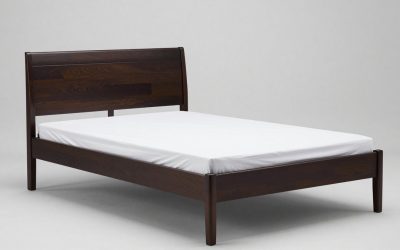
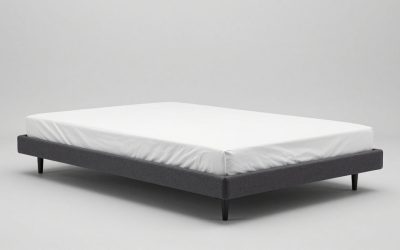
For the base that you actually see, a white wood queen bed frame with storage in solid wood or plywood with a painted finish will resist chipping better than MDF with a vinyl wrap, which can peel at the corners where the platform rubs. A dark wood queen bed frame with storage in walnut or espresso stain shows dust and scratches less than pure white, but shows fingerprints on high-gloss finishes. If you want a low-profile look, a lift up storage bed without headboard or lift up storage bed no headboard version saves 4-8″ of length and makes a small room feel larger, but you lose the wall protection and need to anchor pillows against the wall.
Decision Matrix: Which Lift-Up Bed Fits Your Situation
| Your Situation | Best Pick | Why |
|---|---|---|
| Small apartment, no closet space, 10×12 ft or smaller | Queen lift-up with 12-14″ deep box, no headboard or low-profile headboard | Maximizes cubic feet without drawers that need side clearance; no-headboard saves floor space |
| Kids and pets, daily use | Metal-base lift with fabric sides, 1000N pistons, child safety lock | Withstands jumping/sag, lid stays open safely, fabric is more forgiving than wood corners |
| Renter who moves every 1-2 years | Engineered wood or metal frame that breaks into 3-4 flat boxes | Lighter boxes (50-70 lbs each) fit through 29-30″ doorways and elevators; avoid solid wood one-piece surrounds |
| Back pain or limited strength | Heavy-duty gas-lift (1000N+) with long pull strap at foot, platform height under 16″ | Reduces initial lift to under 35 lbs and lowers mattress height for easier sitting/standing |
| Heavy mattress owner (latex, 14″ hybrid over 100 lbs) | Frame rated for 150+ lbs lift capacity, plywood not MDF base | Prevents lid droop and hinge strain; MDF bases bow under sustained heavy load |
| Share bed with partner who is a light sleeper | Solid wood or metal base with soft-close pistons | Less creak and no sudden drop when closing |
Assembly, Moving and Safety Checks
Lift-up beds are not light or quick to assemble. Plan for realities that listings gloss over:
- Box weight and delivery: A queen ships in 2-3 boxes totaling 130-180 lbs. The largest box is typically 82-85″ long and 20-24″ wide. Measure your doorway (standard interior is 29-30″), hallway turns, and stairwell before delivery. White-glove assembly usually costs $100-$250 extra but is worth it for the hinge alignment.
- Assembly time: Expect 90-150 minutes with two people. You will be attaching the gas pistons last — do not attach them until the box is fully squared, otherwise the lid will sit crooked. Most frames need a Phillips head, 13mm wrench, and included Allen keys. Pre-drill holes in MDF can strip; hand-tighten the final quarter turn.
- What wears first: Pistons lose pressure, fabric at the hinge crease abrades, and the center support bar loosens. Tighten all bolts after the first 30 days of use, then every 6 months.
- Safety checks before first use: With the mattress on, lift to full open and let go — it should hold itself at 45+ degrees without drifting down. Check for a safety strap or locking bar that prevents accidental closure, especially important with kids and pets. Keep hands clear of the hinge gap at the headboard when lowering; the platform can close with significant force even with gas assist.
- Ventilation: Unlike drawers, a sealed storage box traps moisture. Leave 1-2″ of space between bins and the walls, and avoid storing directly on the base board if you live in a humid climate. Some better frames include 2-4 small vent holes or a fabric base that breathes — worth prioritizing.
- Moving it later: Gas pistons must be detached before disassembly. Do not drag the assembled storage box across floors; the bottom panel is often thin MDF that will crack. Lift with two people at the reinforced corners.
How to Choose Between Queen, King and Twin Lift-Up
The mechanism is the same across sizes, but effort and space scale with size. A twin bed frame with lift up storage needs only a single 600-800N piston and is easy for one person to lift, making it ideal for kids rooms or home offices that double as guest rooms. It fits through any doorway and provides about 15-20 cubic feet of storage — enough for linens and luggage.
A king size bed frame lift up storage or king bed frame with lift up storage adds 16″ of width over a queen and 8-12 cubic feet of storage, but the platform with mattress can weigh 140-180 lbs total. Most king lifts use two pairs of pistons or larger 1200N pistons and still require 35-50 lbs of initial effort. You also need two people to align the platform when closing. Only choose a king lift if your room allows full opening without blocking doors and you have help for daily access.
For most primary bedrooms, the queen remains the easiest balance of storage gain versus lift effort and room fit.
FAQ
Can I use any mattress on a queen bed frame with lift up storage?
You can use foam, hybrid, or innerspring, but the mattress must be flexible enough to stay on the platform when lifted and light enough for the pistons. Very heavy latex or ultra-plush pillow-tops over 110 lbs may cause the lid to sink. Avoid mattresses over 14″ tall if the frame lists a 12″ maximum — the straps may not hold it in place.
Do lift up beds need a box spring?
No. They have a solid platform or slatted base with a center support. Adding a box spring raises the sleeping height to 30″+ and makes lifting unsafe and too heavy.
Are beds without a headboard less sturdy?
A lift up storage bed no headboard is just as sturdy for storage because strength comes from the perimeter box and hinge rail, not the headboard. You do lose wall protection and a place to mount the headboard brackets, so add felt pads if the frame touches the wall.