Key takeaways
- Your bedroom is a standard 10×12 ft room. A queen bed (60″ x 80″) plus nightstands (20″ each) already leaves only 22-28 inches between the bed side and the wall. A single large drawer needs clearance on only one side if you place the other side against a wall.
- You store bulky items like comforters, pillows, or winter coats. Fewer dividers means you can lay them flat without folding.
- You have limited strength or want fewer glides to maintain. Two sets of heavy-duty glides are simpler than four.
A queen bed frame with drawers underneath typically gives you 12 to 16 cubic feet of usable storage, split across 2 to 4 drawers that are each 14 to 24 inches deep, 20 to 24 inches wide, and 7 to 10 inches tall inside.
If you need maximum clothing storage, a 4-drawer layout is almost always better than a 2-drawer layout, but it requires more floor clearance to open fully and works best with a low-profile mattress (10 inches or less) and hard flooring or low-pile carpet. Here is how to measure what you will actually get before you buy.
Our top picks


As an Amazon Associate we earn from qualifying purchases at no extra cost to you.
How Much Storage You Really Get: Real Measurements
Product listings often show exterior drawer dimensions, not usable interior space. The frame, glides, and drawer bottom take up 2-4 inches on every side.
| Layout | Number of Drawers | Usable Interior per Drawer (W x D x H) | Total Usable Volume | Floor Space Needed to Open Drawers |
|---|---|---|---|---|
| 2-Drawer (one large drawer per side) | 2 | 58-62″ x 22-24″ x 8-10″ | 12 – 14 cu ft | 26-30″ clearance on one side only |
| 4-Drawer (two drawers per side) | 4 | 28-32″ x 20-22″ x 7-9″ | 13 – 16 cu ft | 24-28″ clearance on both sides |
| 3-Drawer with Footboard Drawer | 3 | Side: 28-32″ x 20-22″ x 7-9″, Foot: 58″ x 18″ x 7″ | 14 – 17 cu ft | 24″ on sides + 22″ at foot of bed |
| Queen Bed Frame With Space Underneath (open cubby, no drawers) | 0 (open) | N/A – fits bins up to 40″ x 22″ x 8″ | 10 – 12 cu ft with bins | No clearance needed, but bins slide out |
What does that hold in practice? One 30″ x 21″ x 8″ drawer holds about 8-10 folded sweaters, or 12-15 t-shirts, or one full set of queen sheets plus two duvet covers. A complete 4-drawer queen bed frame with drawers underneath therefore replaces roughly one small 3-drawer dresser.
A double bed with drawers underneath is the same as a full-size – retailers use the terms interchangeably in the US and UK. Expect about 15% less storage than a queen because the mattress is 6 inches narrower (54″ vs 60″ wide), so each drawer is 3-4 inches narrower. A king bed frame with drawers underneath gives you about 20% more total storage than a queen (76″ wide vs 60″), while a twin bed frame with drawers underneath cuts that storage roughly in half with only two drawers, usually 38″ wide each. A full bed frame with drawers underneath sits in the middle and is the most common choice for guest rooms where a queen would block the closet door.
2-Drawer vs 4-Drawer: Which Layout Is Better for You?
The choice is not just about capacity, it is about how you live with the bed.
Choose a 2-Drawer Layout If:
- Your bedroom is a standard 10×12 ft room. A queen bed (60″ x 80″) plus nightstands (20″ each) already leaves only 22-28 inches between the bed side and the wall. A single large drawer needs clearance on only one side if you place the other side against a wall.
- You store bulky items like comforters, pillows, or winter coats. Fewer dividers means you can lay them flat without folding.
- You have limited strength or want fewer glides to maintain. Two sets of heavy-duty glides are simpler than four.
Choose a 4-Drawer Layout If:
- You want organized clothing storage – one drawer for shirts, one for pants, etc. Smaller drawers prevent the heavy, jammed sliding that large drawers develop over time.
- You share the bed. Each person gets two drawers on their side without reaching across.
- Your room allows access on both sides. You need at least 24 inches of clear floor on the drawer side plus the bed’s footprint. In a 10×10 ft room, a 4-drawer queen will feel cramped unless one side is the footboard drawer style.
Weight limits matter here. Most engineered wood drawers are rated for 30-45 lbs per drawer, solid wood drawers for 50-65 lbs. Overloading a 60-inch wide 2-drawer unit is the most common cause of bottom sag and glide failure within two years. Distribute heavy items like books or denim across all drawers.
Flooring and Mattress Height: What Works and What Doesn’t
Two factors determine whether your drawers will glide smoothly for years: what is under the bed and what is on top of it.
Flooring Compatibility
- Hardwood, laminate, vinyl, and tile: Ideal. Most drawers use recessed wheels or wood-on-wood glides that roll freely. Add felt pads under the frame to prevent scratching when the frame shifts slightly as you get in and out.
- Low-pile carpet (under 0.5 inch): Works well with side-mounted ball-bearing glides and drawers with wheels. Avoid drawers that drag directly on the floor without wheels – they will catch.
- Medium to high-pile carpet (over 0.75 inch) or thick carpet pad: Avoid drawer bases that sit flush on the floor. Look for a wood queen bed frame with drawers that has a raised platform with at least 1.5 inches of leg clearance, or choose a queen bed frame with space underneath that uses rolling bins instead of built-in drawers. Otherwise the drawer face will dig into the carpet and the bottom will wear.
Mattress Height and Bed Height
Total bed height = platform height (typically 12-16″ for storage beds) + mattress height. Drawers themselves are 8-11 inches tall on the outside, which sets the platform height.
- 8-10 inch mattress (low-profile): Best pairing. Top of mattress sits at 22-26 inches, easy to sit on and the drawers remain fully accessible without bending excessively.
- 11-13 inch mattress (standard): Works, but total height becomes 25-29 inches. You will need a step for shorter users and fitted sheets become harder to tuck.
- 14+ inch pillow-top or hybrid mattress: Not recommended for storage beds. Total height exceeds 30 inches, the bed looks top-heavy, and the extra mattress weight (90-140 lbs for a queen) puts more stress on the platform slats. If you already own a tall mattress, look for a storage bed with a recessed platform where the mattress sits down inside the frame by 3-4 inches.
Material and Color: What Lasts Longer
The finish affects durability more than looks alone. A white queen bed frame with drawers and a black queen bed frame with drawers are usually the same construction underneath – the difference is how they show wear.
| Material | Price Range (Queen, 2026) | Durability | Best For |
|---|---|---|---|
| Solid Wood (pine, rubberwood, acacia) | usually $700–$1,400 | Highest. Drawers hold 50+ lbs, glides can be replaced, can be refinished. Heaviest to move. | Primary bedroom, long-term use, kids and pets |
| Engineered Wood (MDF / particleboard with veneer or laminate) | usually $350–$750 | Moderate. Susceptible to swelling from moisture, drawer bottoms sag if overloaded. Lighter but weaker joints. | Renters, guest rooms, tight budgets |
| Metal Frame with Wood Drawers | usually $450–$850 | Very strong platform, but drawers are often smaller and may rattle. Less storage volume. | Modern style, maximum weight support |
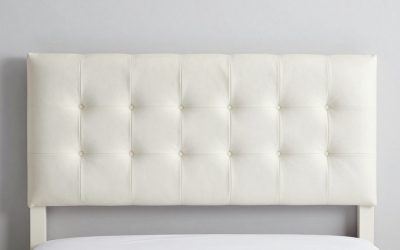
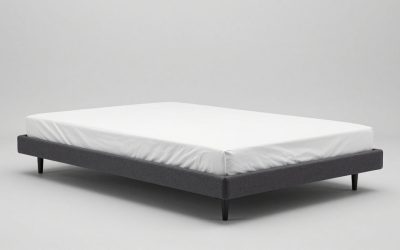
| Upholstered / Fabric-Wrapped | usually $500–$1,000 | Fabric stains and snags; wood drawers underneath are still MDF or solid wood depending on price. | Soft look, but avoid with pets that scratch |
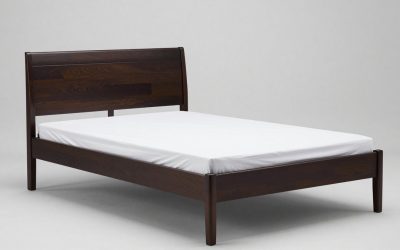
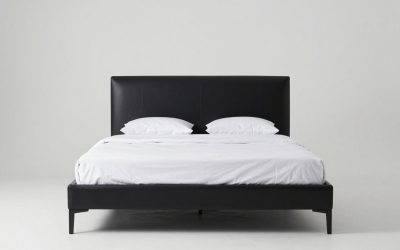
For color, white shows dust and scuffs on drawer edges faster and will yellow slightly in sunlight, but it makes a small room feel larger. Black hides scuffs better but shows dust and pet hair immediately and can make a 10×12 ft room feel smaller. If you have kids or pets, a natural wood queen bed frame with drawers in a mid-tone oak or walnut hides daily wear best and is easiest to touch up with a marker.
Assembly, Moving and What Wears First
This is the information product photos never show. A queen storage bed ships in 2 to 4 very heavy boxes (total 150-250 lbs). The headboard box alone can be 70-90 lbs and 65 inches long, which will not fit in many elevators or up a narrow staircase with a 29-inch doorway turn. Measure your stairwell and doorway width before ordering.
Assembly typically takes 90-150 minutes with two people. You will need to attach the side rails, install 8-16 wood slats, and mount the drawer glides. The most common failure point is not the frame, but the drawer bottoms (thin 3-5mm plywood) and the plastic wheels on low-cost glides. Reinforcing the drawer bottom with a single center support or replacing plastic wheels with metal ball-bearing glides extends life by years.
For renters, consider this: a solid wood queen storage bed is extremely difficult to disassemble and reassemble without stripping the cam locks. An engineered wood frame often does not survive a second move. If you move frequently, a queen bed frame with space underneath on a simple metal platform plus separate rolling under-bed drawers is lighter, cheaper to replace, and fits through any doorway.
Decision Matrix: Pick by Your Situation
| Your Situation | Best Choice | Why |
|---|---|---|
| Small apartment (10×12 ft or smaller), one wall blocked | 2-drawer queen or full bed frame with drawers underneath, drawers on one side only | Needs clearance on one side only, leaves room for a dresser or desk |
| Shared primary bedroom with hardwood floors | 4-drawer solid wood queen bed frame with drawers underneath | Maximum organized storage, smooth glide on hard floor, holds 50+ lbs per drawer |
| Guest room that doubles as office | Full / double bed with drawers underneath, 2-drawer | Saves 6 inches of width vs queen, still stores linens |
| Kids room or frequent movers | Twin bed frame with drawers underneath or metal frame with open space underneath + bins | Lighter, narrower drawers kids can open, survives moves |
| Need a king but room is tight | King bed frame with drawers underneath with footboard drawer instead of 4 side drawers | King is 16 inches wider than queen – footboard storage avoids needing 28″ side clearance on both sides |
| Back pain or tall mattress (14″+) | Low-profile platform (12-13″) with recessed mattress or open space underneath | Keeps top-of-mattress height under 26″ for easy sitting and standing |
Frequently Asked Questions
Can I use my existing mattress on a queen bed frame with drawers underneath?
Yes, if it is a standard queen (60″ x 80″). Most storage frames use slats spaced 2-3 inches apart, which supports foam, hybrid, and innerspring mattresses without a box spring. Do not add a box spring – it will raise the bed too high and block drawer function. Check that your mattress is not heavier than the frame’s slat rating, usually 500-700 lbs total for the platform.
Do drawers work on carpet?
On low-pile carpet, yes, if the drawers have wheels or ball-bearing glides and the frame has legs that lift it slightly. On plush carpet, drawers that sit directly on the floor will drag and wear quickly. In that case choose a frame with at least 2 inches of ground clearance on the drawer unit or switch to a frame with open space underneath and use lidded rolling bins.
How much clearance do I need around the bed to open the drawers?
Measure from the side of the mattress to the wall or nearest furniture. You need the drawer depth (22-24″) plus 2-4 inches for your hand. If you have nightstands, use drawers that open from the foot end or choose a 2-drawer model that opens on the side without the nightstand.