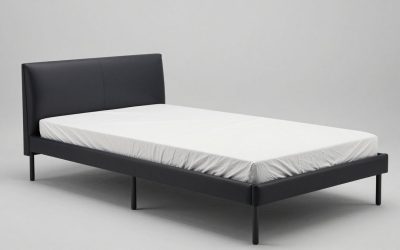
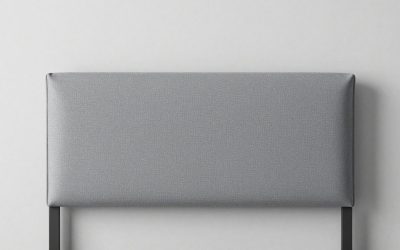
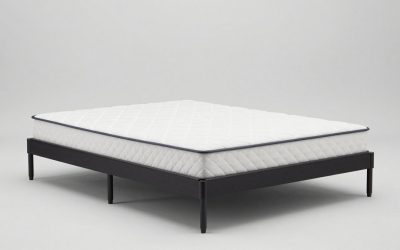
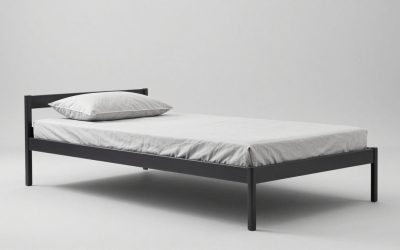
Key takeaways
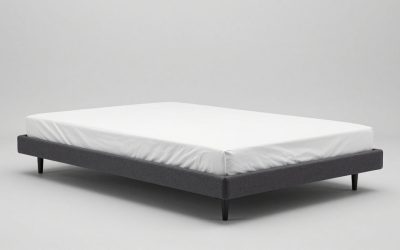
- Low-profile headboards (24-30″): fine with platform frames that skip the boxspring, since your mattress sits lower to begin with. Tight fit with a traditional boxspring setup.
- Standard headboards (36-48″): the safe range for most full and queen platform beds with storage, covers a stacked-pillow sitter without looking oversized in a room with 8 ft ceilings.
- Tall/panel headboards (50-60″): better for queen size bed frames with headboard and storage in bedrooms with 9+ ft ceilings; in a smaller room they visually shrink the space.
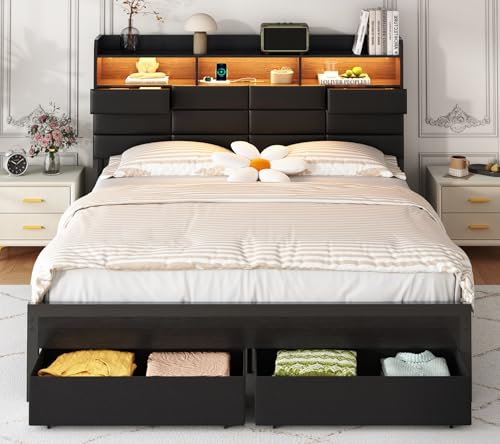
A full bed frame with storage and a headboard typically gives you 4 to 8 cubic feet of usable drawer space (two to four drawers averaging 12″ W x 20″ D x 8″ usable H each), though lift-up frames roughly double that to 12-15 cubic feet since the entire 54″ x 75″ base becomes one open cavity. Which one actually works in your room depends less on the total number and more on clearance you may not have thought to measure: drawer swing space, headboard height against your pillow stack, and how the frame attaches to the wall.
Our top picks



As an Amazon Associate we earn from qualifying purchases at no extra cost to you.
How much storage you really get, by frame type
Manufacturers list “storage included” without saying how much of that space is usable once you account for drawer walls, glide hardware, and the lip you need to actually grab a comforter without scraping your knuckles. Here’s what that looks like across the three common full-size configurations, all built on the standard 54″ x 75″ full mattress footprint.
| Storage type | Usable capacity | Access | Typical price range |
|---|---|---|---|
| Drawer base (2-4 drawers) | 4-8 cu ft total | Side-pull, needs 24-30″ clearance | $300-$700 |
| Lift-up / ottoman base | 12-15 cu ft | Gas-strut lift, needs mattress cleared | $400-$900 |
| Cubby/bookcase headboard + open base | 1-2 cu ft (headboard only) | Front-facing, no side clearance needed | $250-$550 |
Drawer bases fit two full-size storage boxes (roughly 16″ x 12″ x 10″ each) per drawer, or folded off-season bedding for one adult. Lift-up frames are the only option that reliably swallows a spare comforter set, a full set of pillows, and a rolled rug at the same time, because you’re not fighting drawer wall thickness on four sides. If you’re storing anything taller than 8″, check the lift-up frame’s internal clearance specifically, since the gas struts and support slats eat 2-3″ off the top even though the listing measures from the floor.
Headboard height and your pillow stack
This is the clearance nobody measures before buying. A standard full mattress plus a 10-12″ boxspring or foundation puts your sleep surface at roughly 24-26″ off the floor. Add two stacked sleeping pillows (5-6″ each when fluffed) and you need 34-38″ of headboard height just to keep pillows from spilling over the top edge when you sit up to read.
- Low-profile headboards (24-30″): fine with platform frames that skip the boxspring, since your mattress sits lower to begin with. Tight fit with a traditional boxspring setup.
- Standard headboards (36-48″): the safe range for most full and queen platform beds with storage, covers a stacked-pillow sitter without looking oversized in a room with 8 ft ceilings.
- Tall/panel headboards (50-60″): better for queen size bed frames with headboard and storage in bedrooms with 9+ ft ceilings; in a smaller room they visually shrink the space.
If you use a wedge pillow or read in bed often, add 4-6″ to whatever number the listing gives, since that’s usually measured floor-to-top with nothing on the mattress.
Wall-mount vs bolt-on headboards
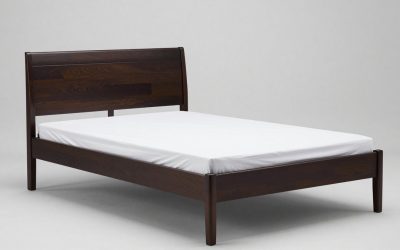
Full size metal bed frame with headboard and footboard sets almost always bolt the headboard directly to the frame rails, which means the whole unit moves as one piece and there’s no separate wall bracket to worry about. Wooden full size bed frame with headboard designs split roughly evenly between two attachment styles, and the difference matters more than most buyers expect:
- Bolt-on (frame-mounted): headboard attaches to the bed rails with bolts or brackets. Moves with the frame, no wall damage, but the whole assembly needs to be pulled 3-4″ from the wall to tighten the bolts, and it’s the heavier lift when rearranging furniture.
- Wall-mount (French cleat or bracket): headboard hangs on the wall independently, frame sits in front of it. Lighter to install, easier to swap headboards later, but requires the wall position to stay exact, which is a problem for renters who need to patch and repaint on move-out, and risky if you don’t hit a stud.
For renters, bolt-on is almost always the better call unless the lease already allows wall anchors and you’re committed to that exact bed position.
Side clearance: the number that ruins small rooms
This is where drawer-storage frames quietly fail in small bedrooms. A drawer needs to pull out to roughly 20-24″ beyond the frame’s edge to clear the drawer box fully, plus another 12-18″ of standing room to bend down and load it. That’s 32-42″ of dead space on at least one side of the bed that can’t hold a nightstand, dresser, or door swing.
In a 10 ft x 12 ft room, a full-size bed frame with storage (about 58″ wide x 79″ long including headboard) against one wall leaves roughly 62″ on the width side and up to 5 ft on the length side. That sounds generous until you subtract a 36″ wide closet door swing and a 24″ nightstand footprint. Run the numbers before you buy if the room is under 11 ft on the drawer-access side:
| Room dimension | Space after full bed frame (58″ wide, drawers on long side) | Fits comfortably? |
|---|---|---|
| 10 x 12 ft, bed against 12 ft wall | ~62″ remaining width | Yes, with one nightstand + narrow dresser |
| 9 x 10 ft, bed against 10 ft wall | ~34″ remaining width | Tight — drawer pull may hit opposite wall furniture |
| Any room under 10 ft on drawer side | Under 30″ clearance | Choose lift-up or cubby headboard instead |
If your room is under 10 ft on the side where drawers would open, skip the drawer base entirely and go with a lift-up frame (accessed from the foot of the bed, not the side) or a cubby-headboard frame with an open platform base underneath for bins.
Material trade-offs: what actually holds up
Full size metal bed frame with headboard options and wooden frames wear differently, and it shows up first in the storage components, not the frame itself.
- Solid wood (pine, oak, acacia): drawer boxes hold shape under repeated use, heavier overall (expect 120-180 lb boxed, so plan for a doorway at least 32″ wide to move it in one piece or two smaller cartons). Costs more, resists sagging longest.
- Engineered wood (MDF/particleboard with veneer): most common in the $300-$600 range. Drawer glides are the first failure point, usually within 2-3 years of daily use if they’re plastic rather than metal ball-bearing rails. Fine for light use, less fine for a kid who slams drawers.
- Metal: full size metal bed frame with headboard and footboard sets rarely include built-in storage themselves, since welded frames don’t lend themselves to drawer cavities — metal storage beds are the exception, not the rule. Metal frames excel on weight capacity (often 500-800 lb) and don’t sag, but a metal headboard offers zero cushioning if you’re a back-against-the-headboard reader.
Matching the frame to your situation
| Situation | Best fit | Why |
|---|---|---|
| Small apartment, one drawer-access wall under 10 ft | Lift-up platform frame | No side clearance needed, maximum capacity |
| Renter, no wall anchors allowed | Bolt-on wood or metal frame, drawer or cubby base | No wall damage, moves as one unit |
| Kids’ room, daily hard use | Solid wood frame, metal drawer glides | Withstands slamming better than particleboard + plastic glides |
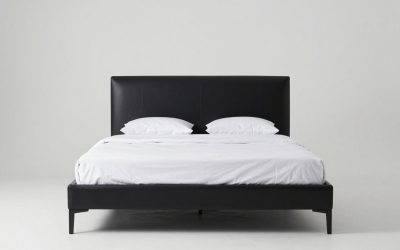
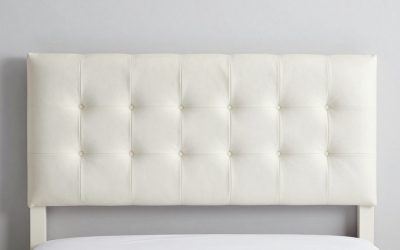
| Back pain, sits up to read often | Standard-to-tall upholstered headboard (36-48″+) | Padded support at the height pillows actually stack to |
| Frequent movers | Metal frame, bolt-on headboard | Lighter boxed weight, fewer wood panels to crack in transit |
Queen platform bed frame with headboard and storage buyers should apply the same clearance math one size up: a queen base runs 60″ x 80″, which tightens side clearance further in any room already close to the numbers above. If you’re deciding between full and queen and the room is under 11 x 12 ft, the full-size storage frame is usually the one that leaves the room usable rather than just occupied.